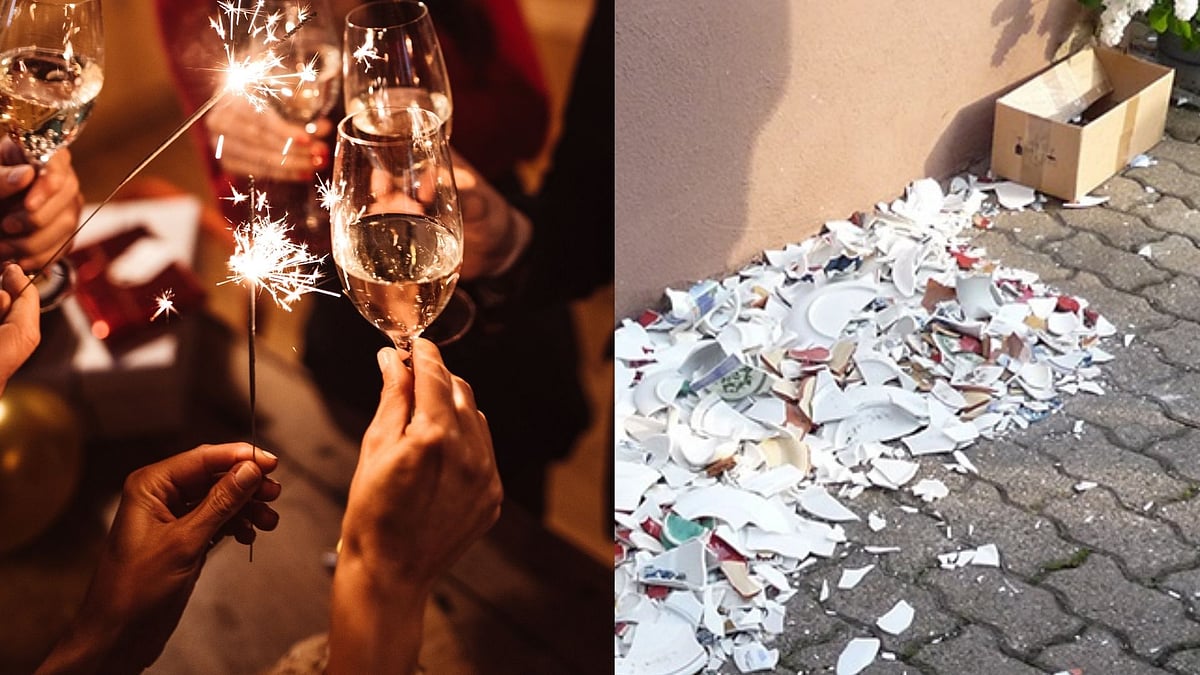
As the clock ticks toward midnight on December 31, Europe transforms into a mosaic of age-old customs, each promising luck, love, prosperity, or protection for the year ahead. While fireworks and parties may dominate the modern New Year’s Eve, many European countries still hold tight to traditions passed down through generations. From food rituals to symbolic gestures, these customs reflect cultural beliefs and a shared hope for a fresh beginning.
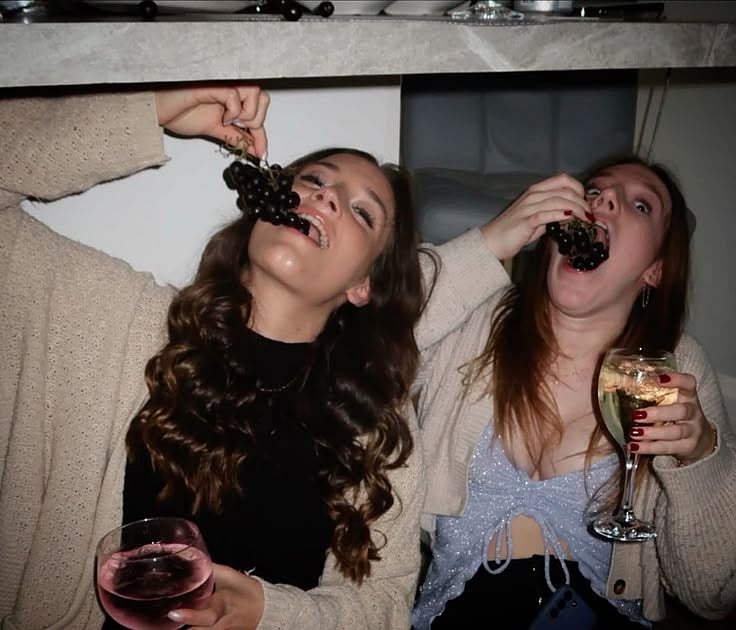
In Spain, the final moments of the year are a race against time and taste. The tradition of Las doce uvas de la suerte requires people to eat 12 grapes, one with each clock chime at midnight. Each grape represents good fortune for one month of the coming year, making it a ritual of focus, luck, and often, laughter.
Meanwhile, Denmark welcomes the New Year with a rather noisy expression of friendship. Danes smash old plates and crockery on the doorsteps of friends and family. Far from rude, the gesture symbolizes affection and well-wishing, the more broken plates you find, the more loved and lucky you’re believed to be.
In Italy, the New Year comes dressed in red. Wearing red underwear on New Year’s Eve is said to bring good luck, love, and prosperity. Rooted in ancient Roman beliefs, red is associated with strength and vitality, making it the colour of choice to step into January.
Across the Alps in Germany, people practice Bleigieben, a fortune-telling ritual where molten metal is poured into cold water. The shape it forms is interpreted to predict what the coming year may hold, blending curiosity with superstition.
France keeps things romantic, marking midnight with a champagne toast and a kiss under the mistletoe, symbolising love and good fortune. In Greece, families break a pomegranate on the doorstep at midnight; the more seeds that scatter, the greater the prosperity expected.
Food also plays a central role elsewhere. In Estonia, eating seven meals on New Year’s Day is believed to ensure abundance and strength throughout the year. Over in the Czech Republic, a sliced apple reveals fortunes, its star-shaped core means good luck, while a cross is less welcome.
Finally, Scotland’s Hogmanay tradition of first-footing sees the first visitor after midnight bringing symbolic gifts for luck, while in Switzerland, dropping cream on the floor is a quirky ritual believed to invite wealth and abundance.

