Indian travellers might find food in Morocco surprisingly familiar. There is bread at every meal, tea that arrives at the end, plenty of lentils and chickpeas, spices that we recognise, and vegetables that share access with our country.
But Morocco is not the easiest if you are strictly vegetarian - menus can be meat-heavy, broths are not always veg, and a “vegetable” dish may still be cooked with meat stock. If you are Jain, vegan or strictly vegetarian, you will need to ask more carefully.
But if you are vegetarian-ish - the kind of traveller who eats vegetarian most of the time, is comfortable with experimentation, and can work around limited options - Morocco has plenty to offer.
Moroccan salads
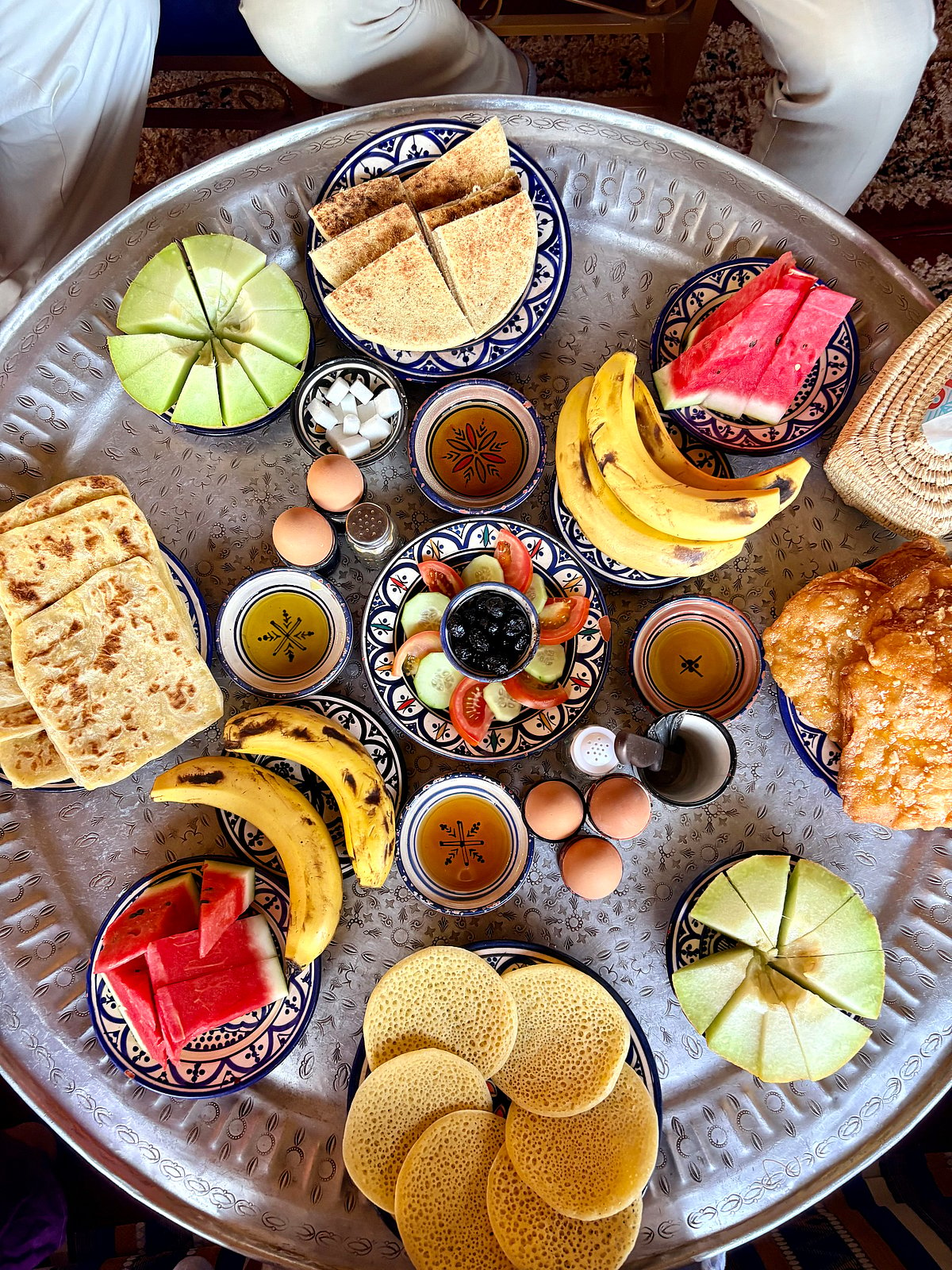
Breakfast platter |
A Moroccan meal often begins with small plates of salads, and this is where vegetarian travellers can do very well. There’s cooked carrots with cumin, zaalouk made with eggplant and tomatoes, beetroot, cucumber, tomatoes, olives, beans, peppers and spiced vegetables served at room temperature.
For Indians, this is the easiest place to start because the flavours feel familiar without being identical. There is acidity, spice, olive oil, herbs and enough variety to make a meal feel less dependent on the main course. Order a few with bread and olives, and you may not need mains at all.
Vegetable Tagine

Vegetable Tagine with Greens |
Tagine is Morocco’s most recognisable dish, named after the clay pot it is cooked in. For vegetarians, the vegetable tagine is a classic: potatoes, carrots, pumpkin, peas, courgettes, onions, tomatoes, olives, preserved lemon and spices, all cooked slowly until soft and comforting.
The good ones are simple, but deeply satisfying. The not-so-good ones can feel like plain boiled vegetables pretending to be dinner. Ask if it is cooked in vegetable stock and not meat stock, especially in smaller restaurants. Also, ask for harissa or extra olives on the side if you want a little more punch.
Couscous
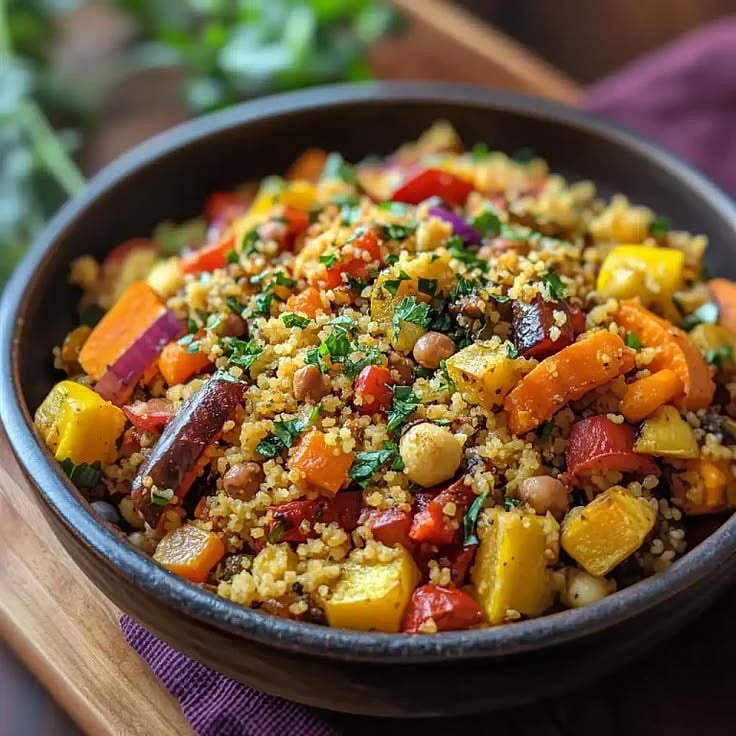
Moroccan Couscous with Roast Vegetables |
Couscous is often served on Fridays in Morocco, though you will find it on tourist menus across the week. It is usually steamed and served with vegetables, chickpeas, pumpkin, carrots, cabbage, turnips and topped with raisins or caramelised onions.
It sits somewhere between upma, pulao and a grain bowl, though the texture and flavour are very different. Again, the important thing is to check the stock. Traditional versions may be served with meat or cooked with meat broth, so ask clearly for a vegetarian version.
Msemen And Baghrir
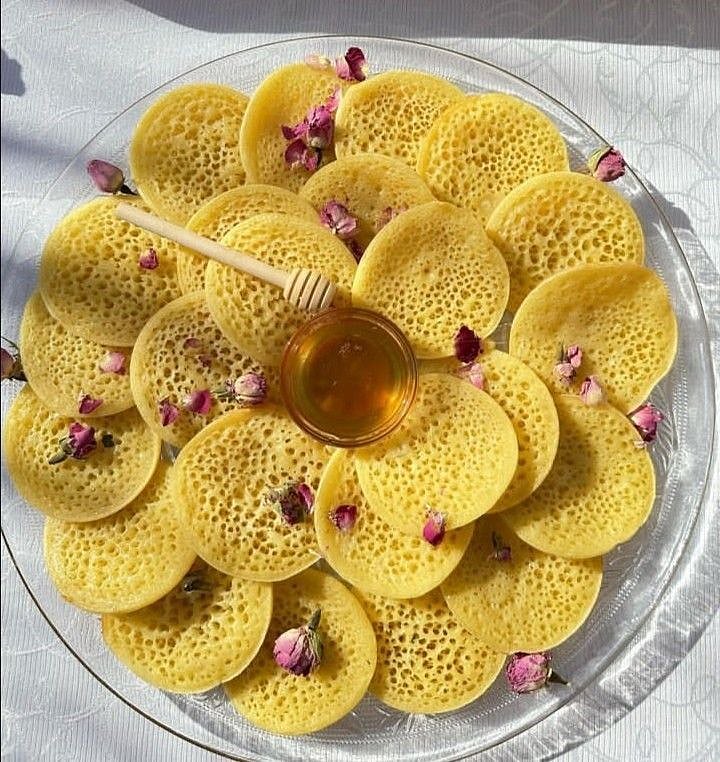
Baghrir |
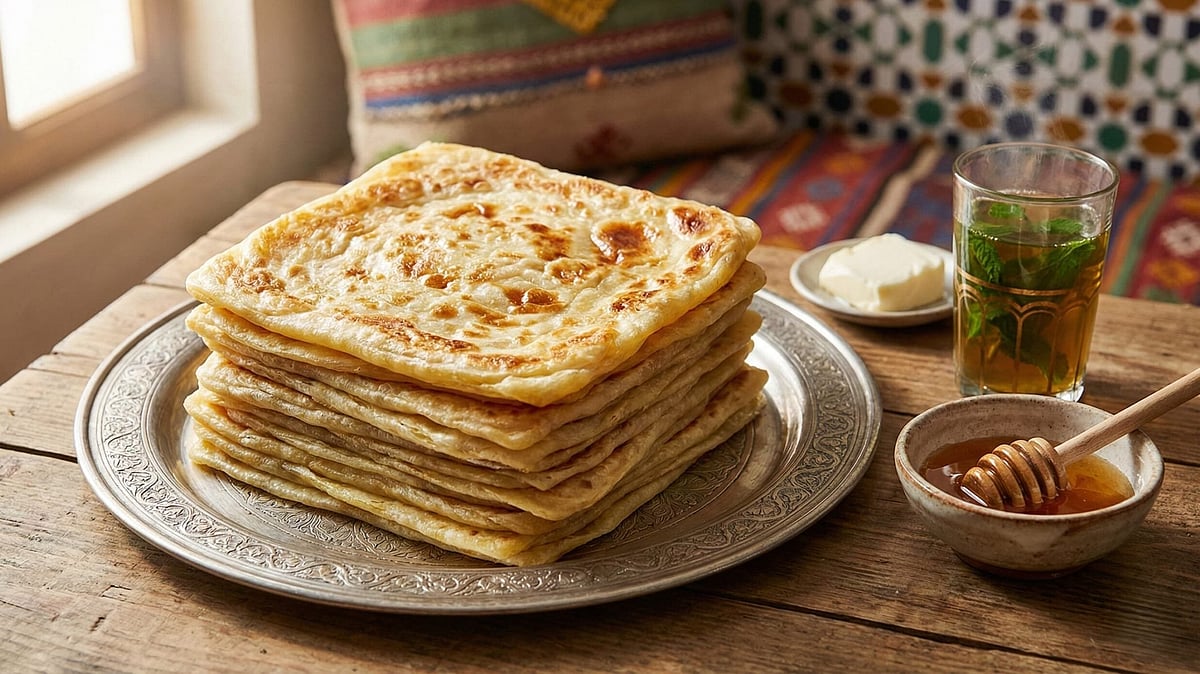
Breakfast in Morocco is the best meal for vegetarians. Msemen is a flaky, layered flatbread, often served with honey, jam, butter or cheese. It is sometimes stuffed with spinach, herbs and cheese. Baghrir, sometimes called thousand-hole pancakes, are soft, spongy semolina pancakes usually eaten with honey or syrup.
They are excellent with mint tea and work particularly well if you are tired of European breakfast spreads. Msemen is more filling and slightly indulgent; baghrir is lighter and softer. Both are delicious.
Olive, breads, and more
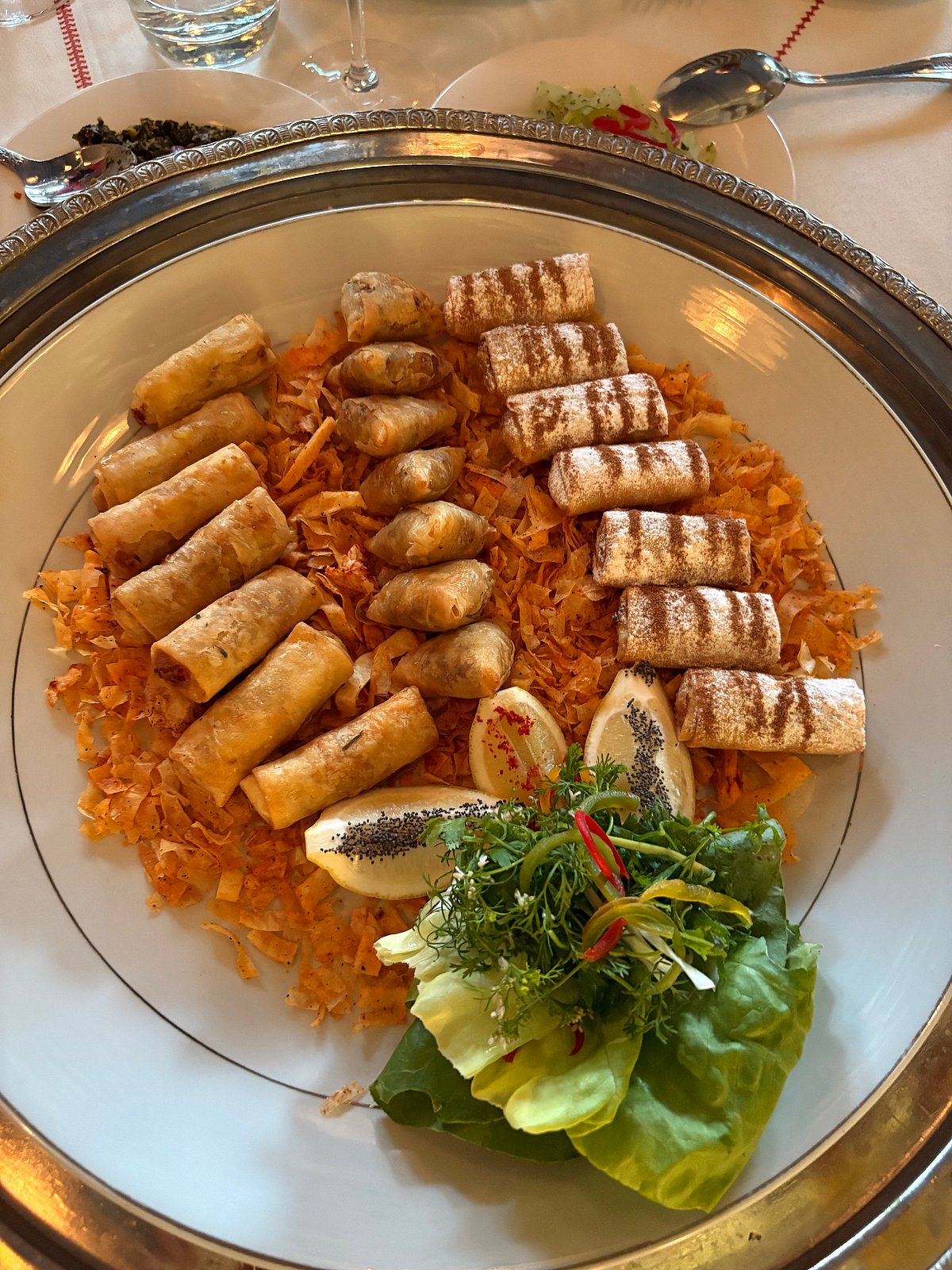
In Morocco, the table is dressed up with food even before the main dishes arrive. Bread is everywhere, and so are olives: green, black, spiced, cracked, marinated, lemony, chilli-coated. Add preserved lemons, small dips, soft cheese, olive oil, nuts, or simple vegetable sides, and you can build a surprisingly good meal out of what looks like “just extras”.
You tear bread, dip, taste, and repeat. Nothing feels more satisfying.
Harira
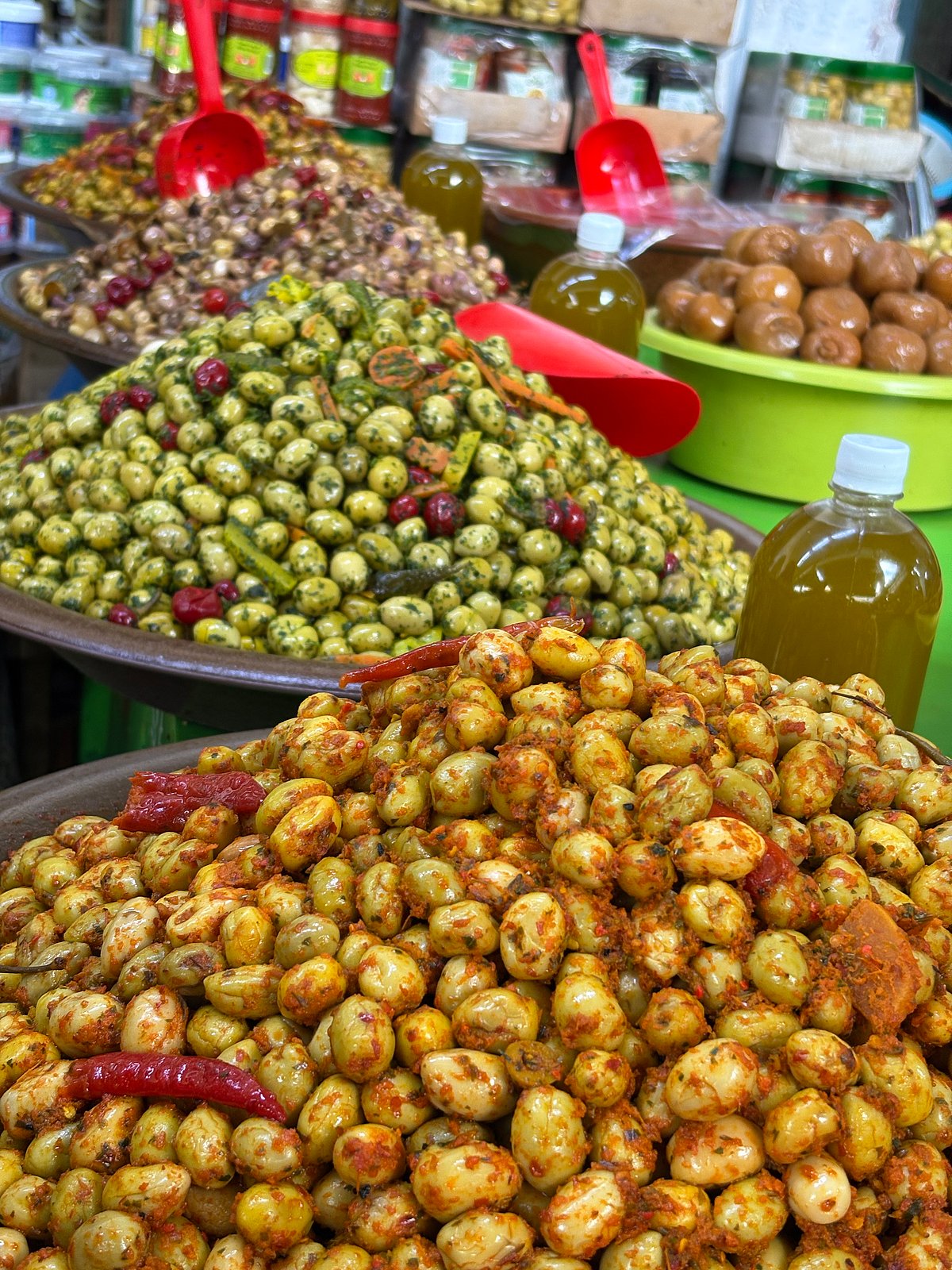
Flavoured olives |
Harira is a comforting Moroccan soup made with tomatoes, lentils, chickpeas, herbs and spices. It is especially associated with Ramadan, but you will find it in many restaurants and homes. For Indians, it is highly reminiscent of dal.
While harira is largely vegetarian, some people also make it with meat or meat stock. So if you are veg, it’s better to ask.
Mint Tea, Amlou and more
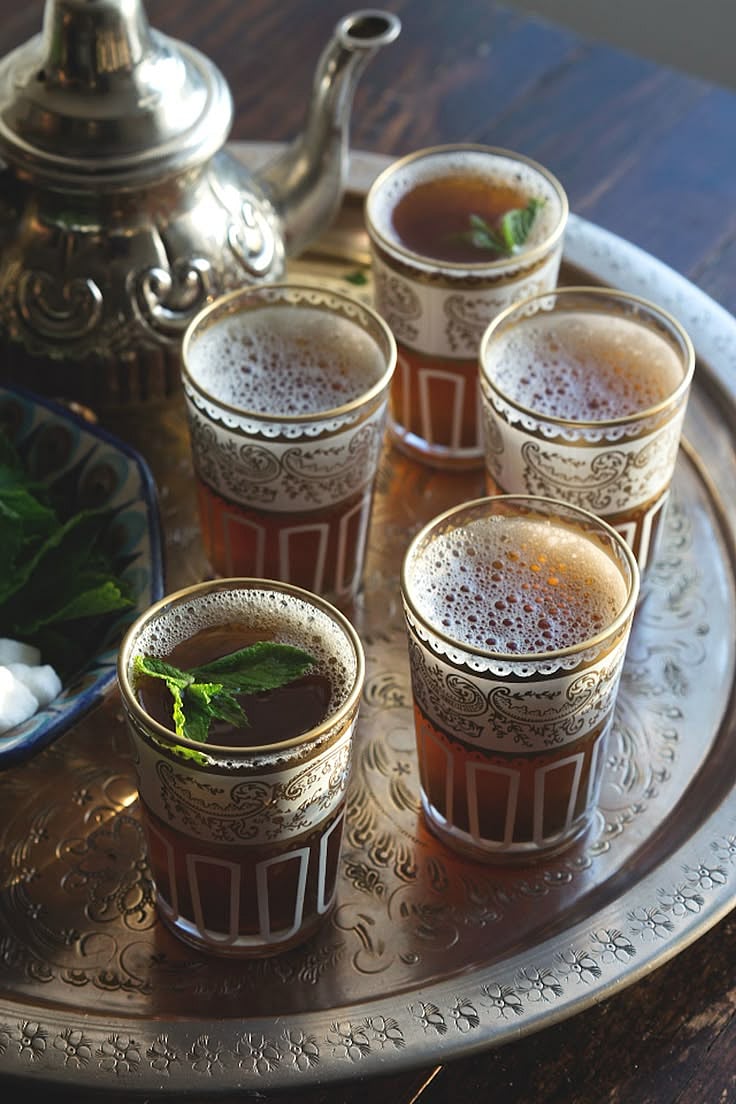
Mint Tea |
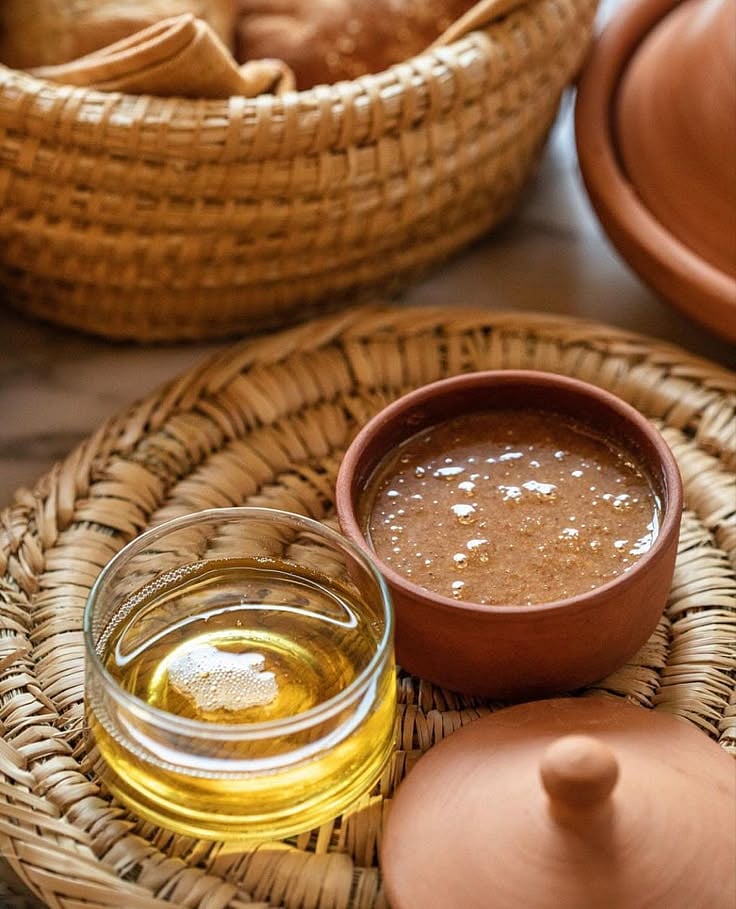
Amlou & Argan Oil |
Moroccan mint tea is not just a drink - it is a ceremony. Our Moroccan friends even call it ‘Moroccan whisky’. It is sweet, hot, and fragrant - poured from a height after every meal. You get it everywhere, from hotels, shops and restaurants to riads, desert camps and souks.
With it, try amlou, a spread made with almonds, argan oil and honey, usually eaten with bread. It is rich, nutty and very easy to like. Moroccan sweets are also worth trying, especially almond pastries, sesame sweets and honey-drenched treats. They can be quite sweet, but with mint tea, somehow, the combination works.

