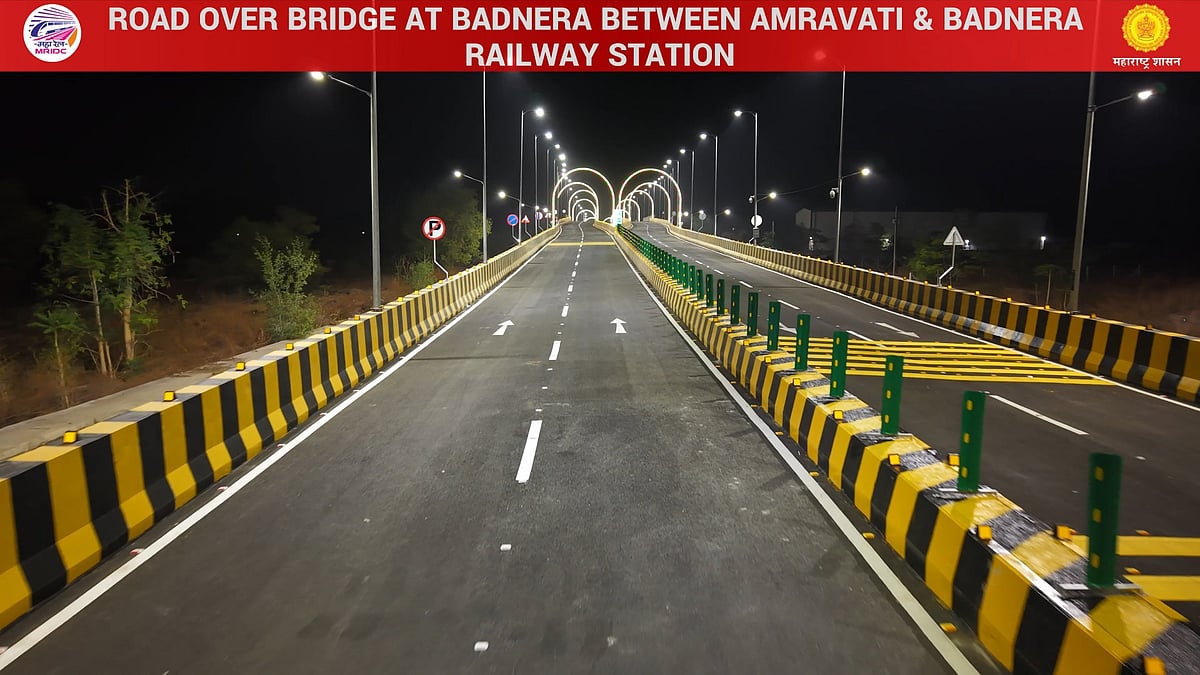
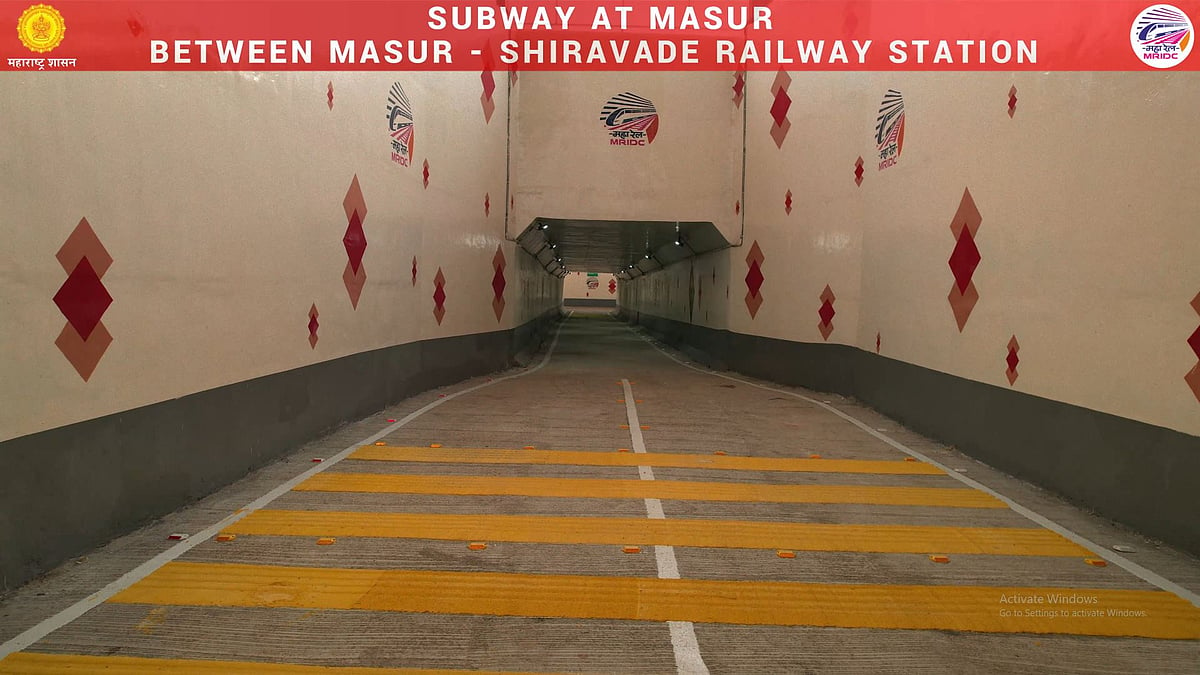
While Mumbai's iconic bridge projects often dominate headlines, Maharashtra Rail Infrastructure Development Corporation (MahaRail) has been quietly transforming transportation across the length and breadth of the state. Beyond the skyline of India's financial capital, the corporation has been implementing a comprehensive programme of Road Over Bridges (ROBs), Road Under Bridges (RUBs), Limited Height Subways (LHS) and railway infrastructure projects that are reshaping mobility in both urban and rural Maharashtra.
At the heart of this transformation lies a simple yet powerful objective—to eliminate railway level crossings that have, for decades, been responsible for traffic congestion, delays and accidents. By separating road and rail traffic through modern engineering solutions, MahaRail is creating safer, faster and more efficient transport networks that benefit millions of commuters, businesses and industries.
Transforming connectivity
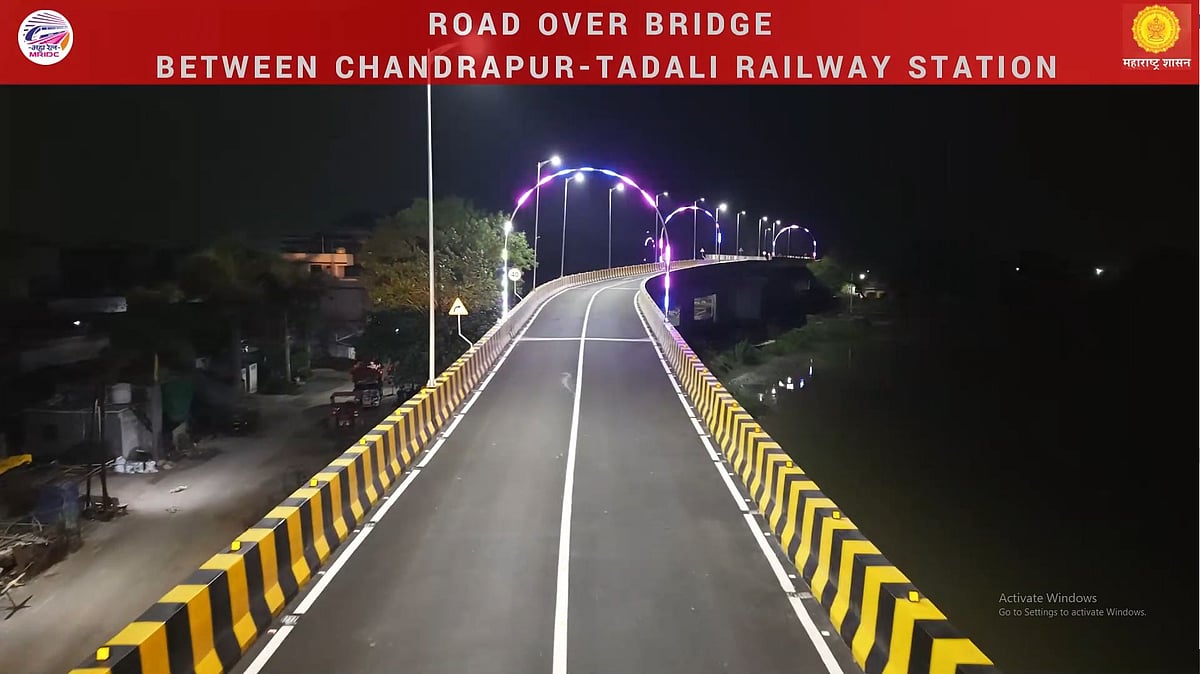
MahaRail's work extends well beyond metropolitan centres. Over the past few years, the corporation has successfully completed 56 infrastructure projects spread across districts such as Nagpur, Chandrapur, Sangli, Jalgaon, Wardha, Washim, Dhule, Hingoli, Parbhani, Nashik, Satara, Bhandara, Akola, Buldhana and Mumbai.
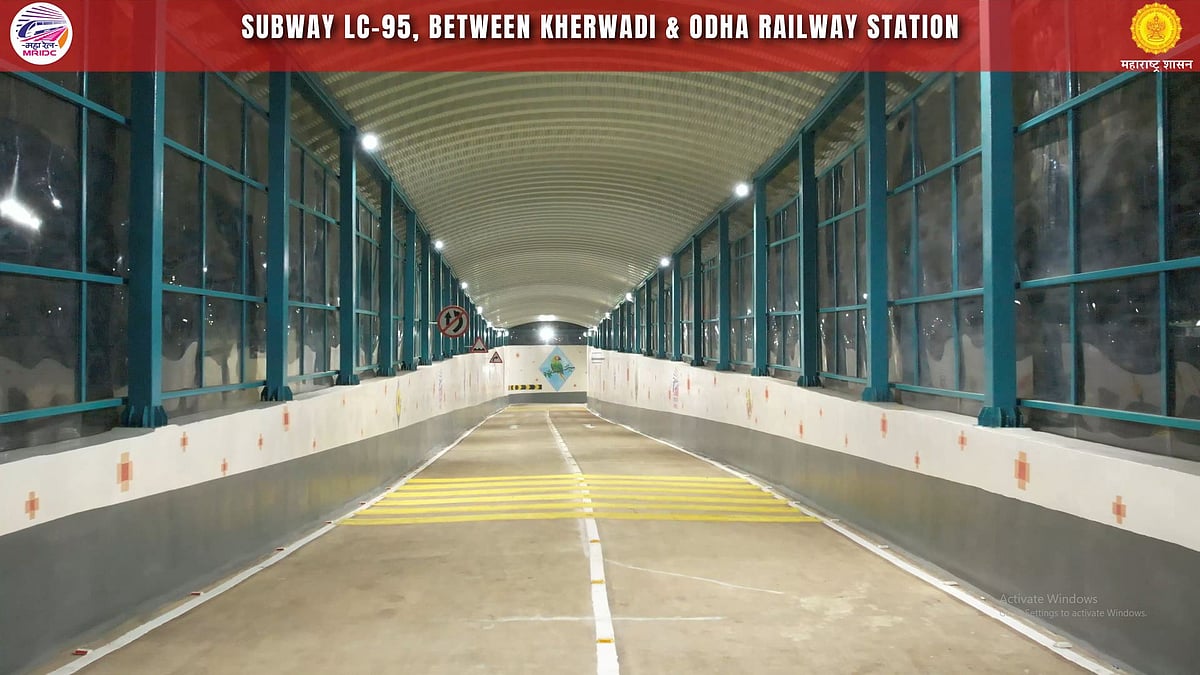
Each of these projects addresses a common challenge faced by communities across the state—the disruption caused by railway level crossings. Every passing train brings road traffic to a standstill, often for several minutes, resulting in long queues, wasted fuel and considerable inconvenience. As railway traffic has increased over the years, these delays have become more frequent, affecting commuters as well as commercial transport.
Nikhil Sharma
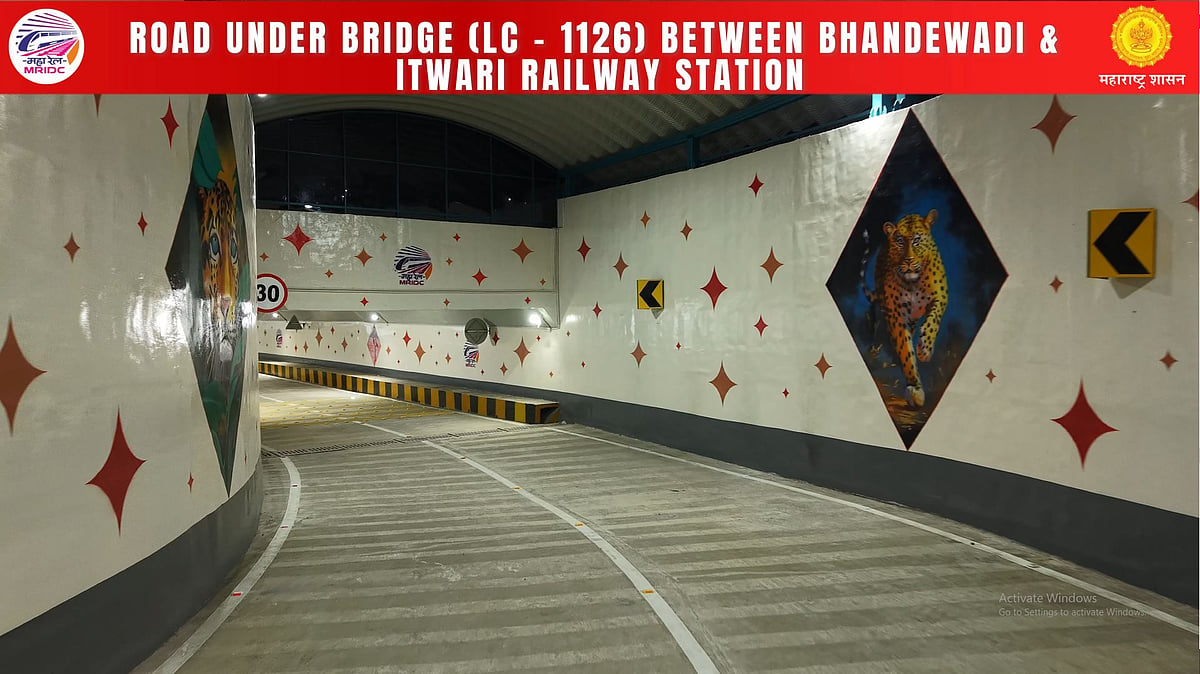
By replacing these crossings with Road Over Bridges and Road Under Bridges, MahaRail has ensured uninterrupted movement of vehicles while simultaneously improving railway operations. The result is a transport network where road users and trains can move independently, without interfering with each other's schedules.
Improving everyday life
The impact of these projects is perhaps most visible in smaller towns and semi-urban regions where railway crossings have long served as major bottlenecks.
School buses transporting children, ambulances responding to emergencies, public transport buses, delivery vehicles and private commuters no longer have to wait for railway gates to open. Precious minutes that were once lost at crossings are now saved every day, making journeys more predictable and reducing travel-related stress.
For farmers, the benefits are equally significant. Maharashtra's agricultural economy depends heavily on timely transportation of fruits, vegetables, grains and other produce to nearby markets and processing centres. Delays at railway crossings often affected the freshness of perishable goods and increased transportation costs. The new bridge infrastructure enables uninterrupted movement, helping farmers reach markets more efficiently.
Industrial regions too have witnessed tangible gains. Manufacturing units and logistics companies depend on reliable transportation schedules to move raw materials and finished products. Improved road connectivity reduces delays, enhances supply chain efficiency and supports industrial productivity.
Enhancing safety
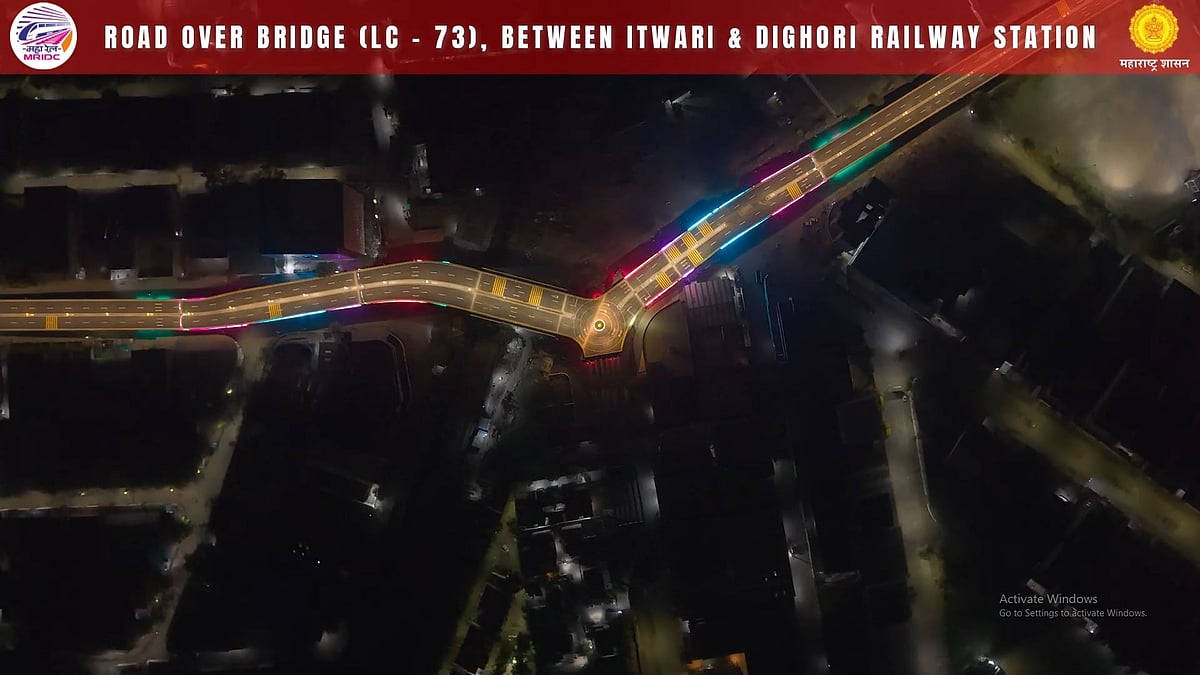
Safety remains one of the most compelling reasons behind the state's railway crossing elimination programme. Many of the railway crossings being replaced today were established decades ago, when train frequencies and vehicle numbers were significantly lower. Rapid urbanisation and economic growth have dramatically increased both rail and road traffic, making these crossings increasingly vulnerable to accidents involving vehicles, pedestrians and two-wheelers. Every railway crossing eliminated substantially reduces the possibility of collisions between trains and road users. It also discourages risky behaviour such as attempting to cross tracks after warning signals have been activated—a common cause of accidents at unmanned or busy crossings. The benefits extend beyond road users. Train operations also become safer and more efficient as locomotives no longer need to account for disruptions caused by congested crossings. Emergency services, including ambulances, fire engines and disaster response vehicles, can maintain uninterrupted routes, ensuring quicker response times during critical situations.
Work on the Titwala Road Over Bridge in the Mumbai Metropolitan Region is nearing completion. The project includes deck slab construction, approach roads and a Limited Height Subway to facilitate uninterrupted movement along the heavily used Kalyan-Kasara suburban railway corridor. This will ensure safety of the commuters.
Strengthening Vidarbha
While bridges remain a major focus, MahaRail is simultaneously undertaking one of Maharashtra's most significant railway infrastructure projects—the 166-kilometre Nagpur (Itwari)-Nagbhir Gauge Conversion Project. Estimated to cost approximately ₹2,380 crore, this flagship initiative is far more than a conventional gauge conversion exercise. It represents a comprehensive railway modernisation programme involving the laying of new railway tracks, construction of bridges, station redevelopment and extensive civil engineering works throughout the corridor.
The Itwari-Umred section has been prioritised to accelerate progress, with the entire project targeted for completion by 2027. The strategic importance of this railway corridor cannot be overstated. Vidarbha is among India's leading coal-producing regions, supplying fuel to power plants and industries across the country. Once completed, the upgraded railway line will significantly improve freight movement, enabling faster transportation of coal and other industrial commodities.
In addition to freight, passengers travelling within the region will benefit from improved railway connectivity, better services and enhanced travel efficiency. The project is expected to stimulate economic activity, strengthen regional connectivity and support industrial growth throughout eastern Maharashtra.
Modern bridges for a growing Nagpur
Nagpur, one of Maharashtra's fastest-growing cities, is also witnessing major bridge infrastructure development. Construction of the Ajni Cable-Stayed Road Over Bridge is progressing steadily. Designed to eliminate one of the city's busiest railway bottlenecks, the bridge will significantly improve traffic circulation once completed. Work on the pylon, deck and supporting structural elements is advancing, bringing the project closer to completion.
The bridge is expected to ease congestion across a critical transport corridor, benefiting daily commuters while improving connectivity between residential areas, commercial districts and industrial zones.
Towards level crossing-free Maharashtra
Perhaps the corporation's most ambitious initiative is the Railway Crossing Elimination Programme, which seeks to gradually remove railway level crossings across Maharashtra. Recognising the long-term benefits of grade-separated transport infrastructure, the Maharashtra Government has already approved 65 new Road Over Bridges, Road Under Bridges and Limited Height Subways under the programme's first phase.
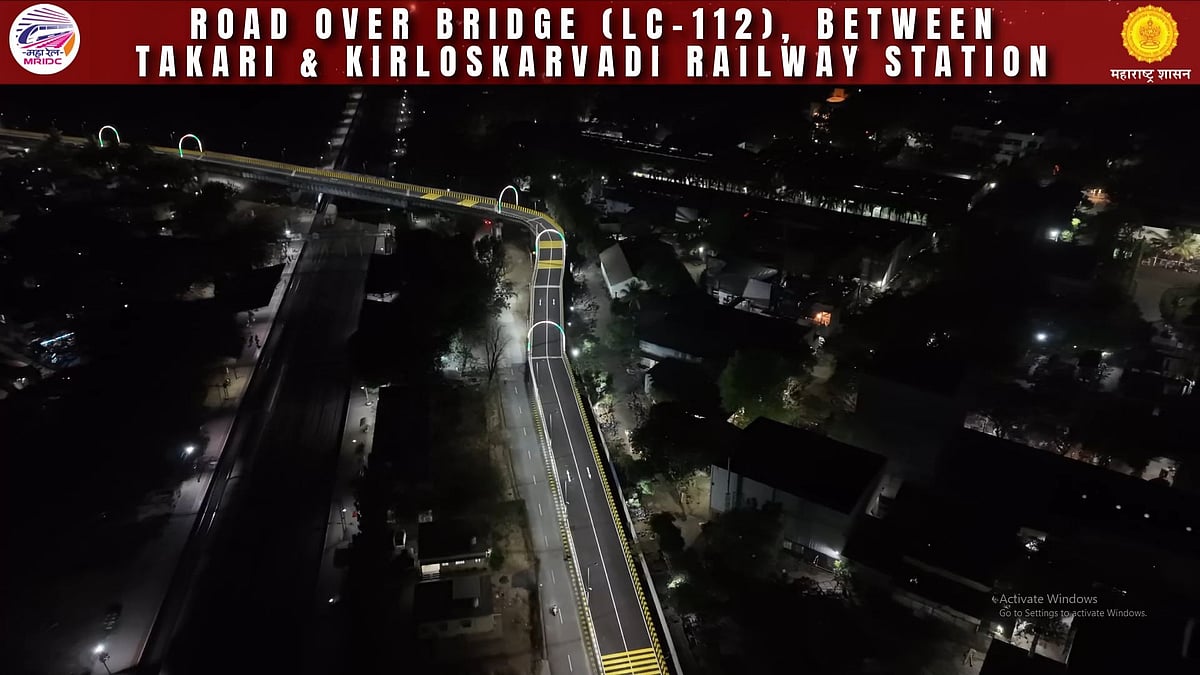
These projects will be implemented in stages across multiple districts, reflecting a strategic shift in infrastructure planning. Instead of responding to congestion after it becomes unmanageable, the state is proactively investing in permanent solutions that separate road and rail traffic.
This forward-looking approach is expected to deliver lasting improvements in safety, efficiency and urban mobility while supporting the state's rapidly expanding transportation network.
City infrastructure
Urban planners increasingly emphasise that infrastructure planning must anticipate future growth rather than merely respond to existing demand. Cities such as Mumbai, Nagpur, Nashik and Pune continue to witness rapid population growth, expanding residential developments and rising vehicle ownership. Without grade-separated crossings, congestion around railway corridors would continue to intensify, affecting productivity, increasing pollution and reducing quality of life.
The Naigaon Road Over Bridge addresses the transportation needs of rapidly expanding suburban communities, where population growth has placed increasing pressure on existing road infrastructure.
Building the future
Viewed individually, each bridge solves a local transportation challenge. Collectively, however, they represent a far-reaching transformation of Maharashtra's transport ecosystem.
For commuters, the advantages are immediate and tangible—reduced travel time, smoother journeys and safer roads. Businesses benefit from improved logistics, greater supply chain reliability and lower transportation costs. Railways gain operational efficiency through uninterrupted train movement and enhanced safety.
Unlike metro rail networks or expressways, bridge projects rarely attract widespread public attention. Yet their impact is often felt every single day by millions of people who experience shorter commutes, fewer traffic bottlenecks and more reliable travel.
As Maharashtra continues investing in world-class infrastructure, these bridges are becoming critical links connecting cities, industrial corridors, ports, highways, railway stations and emerging urban centres.
With 56 projects already completed, several landmark bridges under construction in Mumbai and across the state, and another 65 projects approved under the Railway Crossing Elimination Programme, MahaRail is steadily reshaping the way Maharashtra moves.
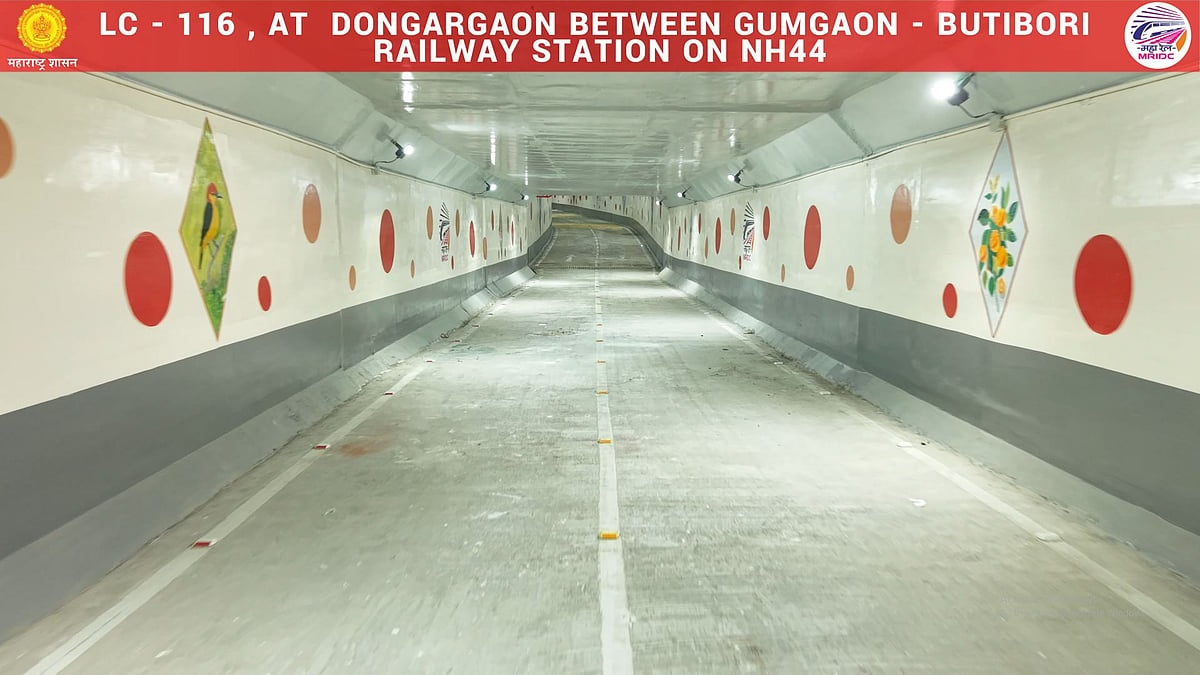
The transformation may be gradual, but every completed bridge strengthens the state's transport network, improves public safety and enhances economic productivity. Together, these projects are laying the foundation for a Maharashtra that is not only faster and better connected, but also safer, more resilient and prepared for the demands of the future.

