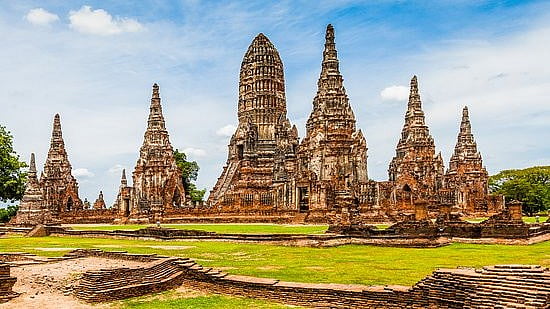
A viral video featuring a foreign tourist has sparked widespread curiosity and debate after he claimed that Ayodhya was once the former capital of Thailand. The statement, made confidently in the video, quickly gained traction across social media platforms, prompting both intrigue and confusion among viewers. But do you know that Ayutthaya was the former capital of Thailand, which also served as the centre of the Siamese Kingdom for 417 years from 1350 until it was destroyed by the Burmese in 1767.
Similarity between Ayodhya and Ayutthaya
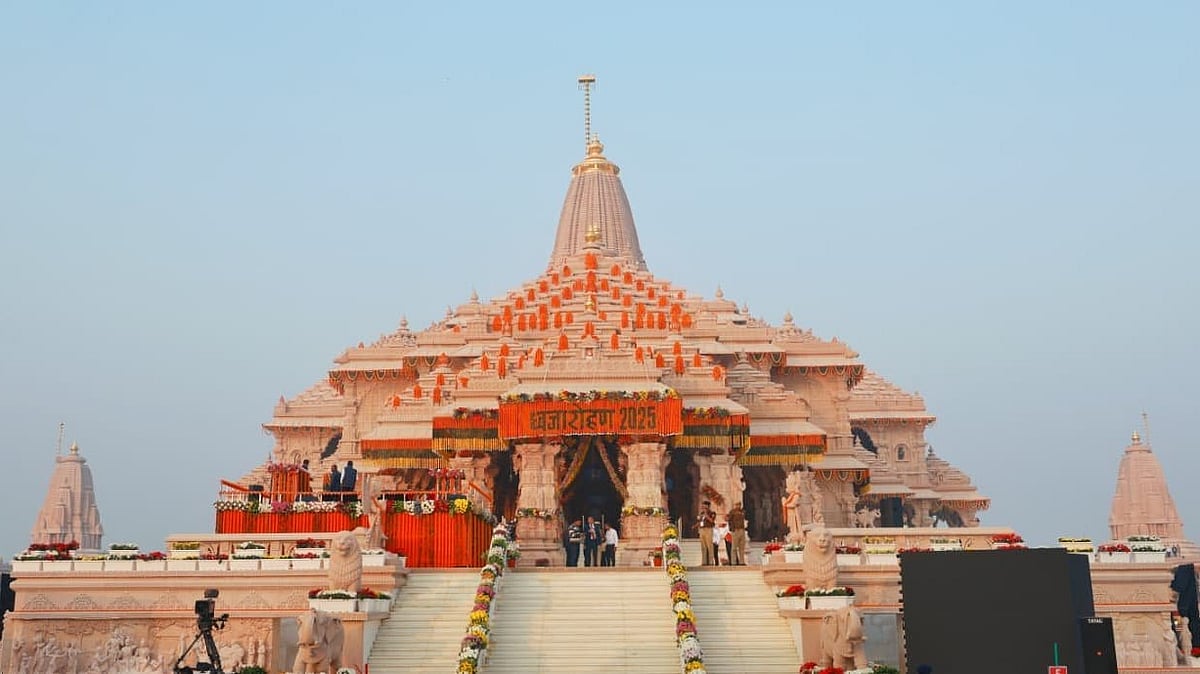
At the centre of the discussion is the historical city of Ayutthaya, which served as the capital of Thailand from the 14th to the 18th century. The similarity in the names “Ayodhya” and “Ayutthaya” has often led to speculation about a possible connection. In fact, historians widely acknowledge that the name Ayutthaya was derived from Ayodhya, the ancient Indian city associated with the epic Ramayana and believed to be the birthplace of Lord Rama.
Kings of Thailand carry the name Ramathibodi
Ayodhya is situated in the state of Uttar Pradesh in India and Ayutthaya in Thailand; both are separated by about 3,500 kilometres into different countries. Ayutthaya indicates the influence of Hinduism in the region and is associated with Ramakien, the Thai version of the Ramayana. King Ramathibodi, who is said to be the first king of the kingdom of Ayutthaya, had named the city. The name Ramathibodi also shows the influence of Hinduism. It is said that royal rituals were based on Hindu Vedic scriptures, and the royal households adopted the religious-political ideology that had been embodied by Lord Rama as mentioned in the Ramayana.
Significance
Ayutthaya, once the thriving capital of Thailand from the 14th to 18th centuries, has deep cultural and historical links with India. Its name is derived from Ayodhya, the ancient city associated with the Ramayana. Indian influence reached Southeast Asia through trade, religion, and literature, shaping Thai art, architecture, and royal traditions. Elements of Hindu mythology, especially the Ramayana (known in Thailand as Ramakien), became integral to Thai culture. This connection reflects centuries of cultural exchange, rather than direct political rule, between India and Thailand.
