Pablo Escobar, the infamous drug lord of South America needs no introduction. Pablo Escobar was born in Rionegro, Colombia and he left a dark trail of gunshots, violent crime, broken families and wounded people across the country. Various key cities showcase the dark history of drug related crime in the country. Bundled with Escobar’s extravagant homes, personal planes and estates, tourists explore the dark crime history of the country and spectate resilience and transformation of a country which has survived a strange time. To explore the drug crime trail of Colombia is to understand the history and transformation.
The same districts which once were centres of crime are now recreated as areas of public art. Tourists flock to these areas to engage in photography and witness how communities living there have transformed their livelihood from crime to tourism.
Communa 13 Medellin
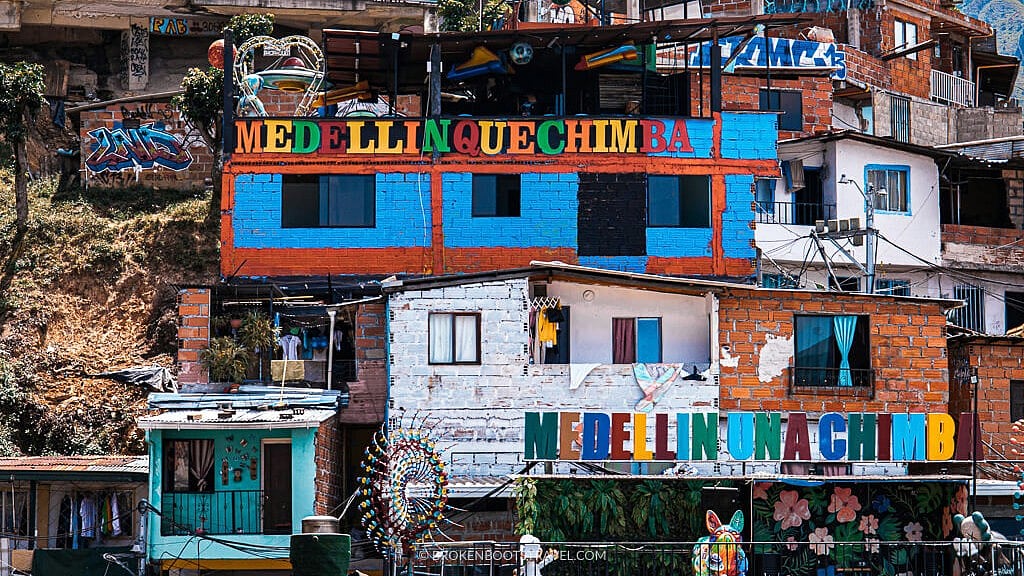
One walk around Communa 13 is enough to baffle you with the sheer amount of art and positivity showcased on the walls. A huge number of cafés invite tourists to sit and gaze at the city view below and take images of the unique sculptures they have created inside. Recreations of Paris’ Eiffel Tower, Leaning Tower of Pisa, Vietnam’s Hand’s structure and many more unique art structures from across the world are on display here.
Communa 13 has a dark history. It started off as an area where displaced agricultural workers from rural Colombia settled. The area was marked by marginalisation and lack of basic facilities. During the Pablo Escobar period, various guerrillas found a hiding spot in Communa 13. Due to the alley network in the area, kidnappers and drug traffickers were rampant in the area. A high level of crime existed here for a long period of time until Operation Orion where the military took over eradicating the guerrillas and drug traffickers from the area.
Many homes were left with lost family members and violence after this period. However, now a strong feeling of resilience is observed in the area. People have rebuilt their homes and careers. This area has shops and cafés worth exploring. More so, people here have stories to share. The dark history of crime has now turned into colours of hope we can see on public art walls.
La Manuela Hacienda Ruins
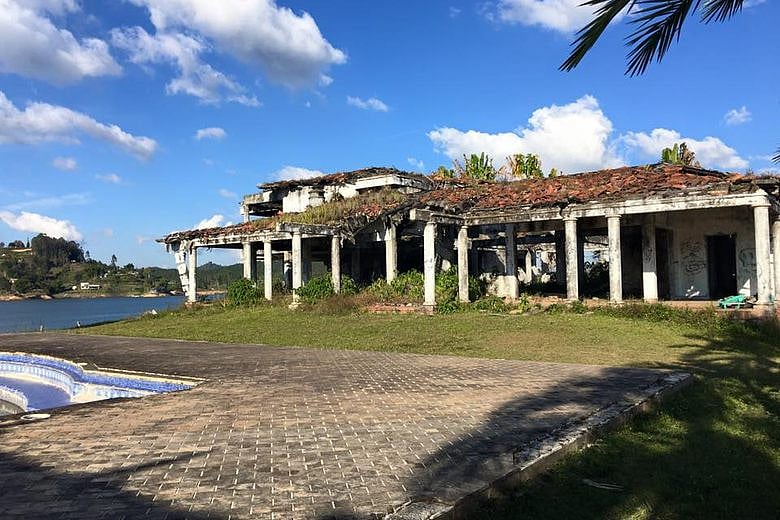
Not too far from Medellin lies La Manuela Hacienda Ruins - a lost ruin of Pablo Escobar’s secondary home estate. Located close to Guatape, a single rock structure you can climb to spectate stunning sunset views, La Manuela still stands tall despite the bombing it experienced in 1993. A boat ride into the lake, the sprawling 20 acre La Manuela becomes visible. During its peak, La Manuela had a pool, tennis lawns, helipad, trees from across the world, security force of 120 goons and a disco area. La Manuela was bombed to bits however the double walls remained intact.
Now, the home looks like a gift from nature with weeds growing across the land. Tourists take a boat ride to reach La Manuela and spectate the violent turn life can take when it is intertwined with crime. For young tourists who might have learned to fantasise Escobar’s extravagant life, a piece of his struggle to survive against military and government becomes more apparent. Suddenly, Escobar appears less invincible. We see a human side to his story and grand estate. Now abandoned laying in wait for trees to take over. Exploring la Manuela is a strong reminder of how powerful people cannot stay protected and hidden after they commit crimes.
Museum of Memory
The Museum of memory, peace and reconciliation is one of the most extensive museums I have witnessed related to drug crime in Colombia. The museum acts as a reminder of the six million victims of internal conflict in Colombia. Though the museum is not fully open, it showcases the dark internal conflict history of Bogota. A similar museum exists in Lima, Peru where the dark history of drug crime related violence becomes apparent.
Cemetery Gardens
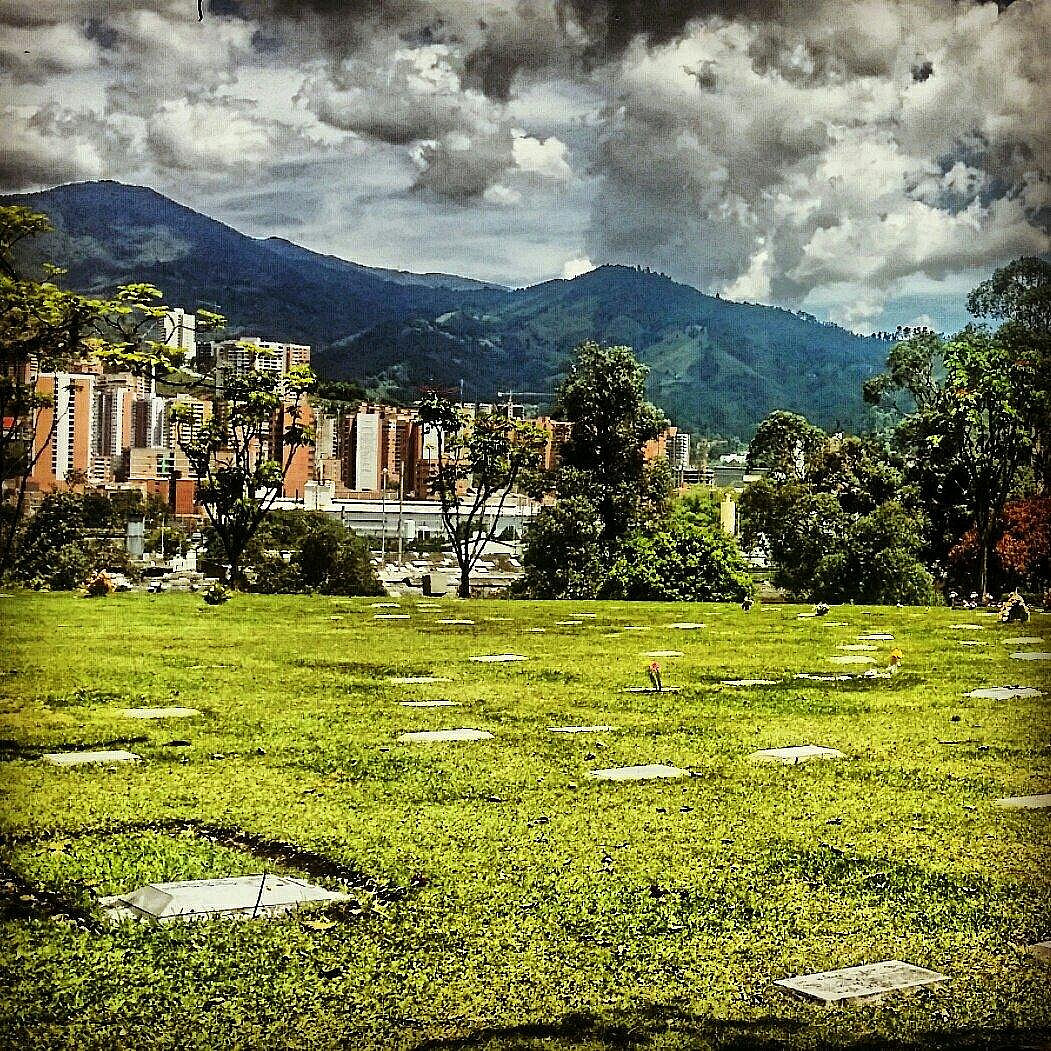
The cemetery gardens located close to Medellin house the cemetery of Pablo Escobar. Its stark to see the difference between his extravagant life and simple burial site. Once a celebrated and well known criminal with a legacy which is known across the world, now housed in a simple public burial site. The stark contrast sends a strong message - while engaging in crime can lead to extravagance in the short term, almost everyone lays forgotten and lost in time. The beautiful garden where the burial site lays showcases time has indeed moved. Colombia has transformed from being a land of crime to a land which has peacefully buried the violent past and moved onto a glorious future.
La Candelaria
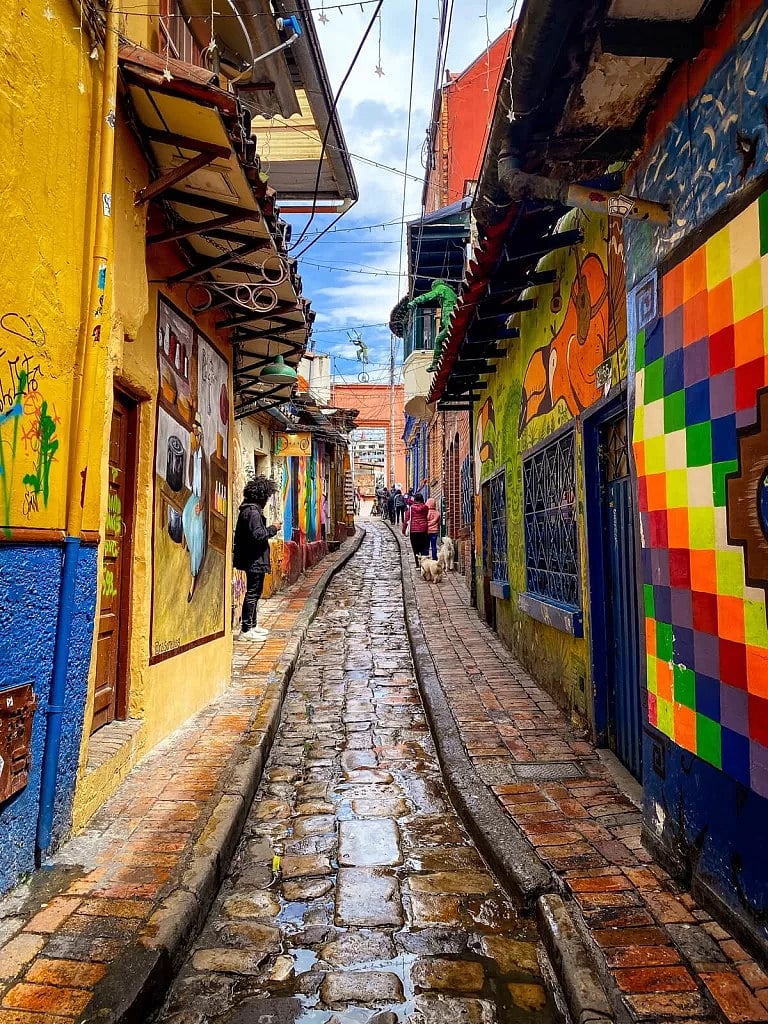
This specific area to walk in Bogota houses murals related to violence and crime and gives out the moral message to live in harmony and togetherness. It’s a powerful reminder to citizens to look at history and know what to avoid. Also, giving out the bold and clear message to prioritise collective happiness over individual gain. La Candelaria is bustling with shops and pretty views. Tourists can experience the bright side of Bogota here.

Exploring the trail
Following the trail of the dark forgotten history of drug crime in Colombia makes people aware about the history of the country. These exploration areas help travelers to delve deeper into the real history of the country from an insiders lens and showcases the real side of any country. While most people might read about petty crimes in these regions like phone theft and shy away from visiting, discerning travellers might reconsider and spend some time exploring the real side to a now touristy country.
Medellin and Bogota in Colombia have lots to explore artistically. The Botero Museum, stunning streets, emerald museum, vibrant food, good museums and more. However, these are less explored areas which must make it to your travel list.

