
Ageing is an inevitable and universal process, accompanied by profound changes in the physical, psychological, social, and economic dimensions of life. For elders, advancing age often brings declining health, reduced mobility, sensory impairments, dependence on others, loss of professional identity, and shrinking social networks. These changes can challenge one’s sense of self-worth and autonomy. Yet, ageing need not be synonymous with helplessness, despair, or loss of dignity. On the contrary, the later years of life can be a period of inner growth, wisdom, and graceful acceptance. Elders must learn to live with dignity and grace despite physical and other constraints, transforming limitations into opportunities for meaningful living.
Understanding Dignity and Grace in Old Age:
Dignity refers to a sense of self-respect, worth, and autonomy, regardless of one’s physical or social condition. It is the recognition that every individual has intrinsic value simply by virtue of being human. Grace, on the other hand, denotes a calm, composed, and accepting attitude towards life’s challenges, marked by emotional maturity, humility, and resilience.
In old age, dignity and grace are not defined by physical strength, productivity, or independence alone. Rather, they are reflected in how elders perceive themselves, respond to limitations, maintain relationships, and continue to engage meaningfully with life. Living with dignity and grace means accepting help without feeling diminished, acknowledging losses without bitterness, and facing uncertainty with courage and equanimity.

Physical Constraints and the Challenge of Acceptance:
One of the most visible aspects of ageing is physical decline. Chronic illnesses, reduced stamina, joint problems, vision or hearing loss, and neurological conditions can significantly alter daily functioning. For many elders, the inability to perform tasks that once came effortlessly can lead to frustration, anger, or feelings of inadequacy.
Learning to live with dignity begins with acceptance not as resignation, but as realistic acknowledgment of one’s present condition. Denial or constant comparison with one’s younger self only deepens suffering. Acceptance allows elders to adapt, seek assistive devices, follow medical advice, and restructure daily routines without shame. Using a walking aid, hearing device, or caregiver support should be seen not as a loss of dignity, but as a wise adjustment that preserves safety and independence.
Grace in this context lies in patience and adjustment with one’s body, with the pace of life, and with the process of healing or coping. Elders who cultivate patience and self-compassion are better equipped to handle physical limitations without emotional distress.

Psychological and Emotional Constraints:
Ageing often brings psychological challenges such as loneliness, anxiety, depression, fear of dependency, and awareness of mortality. Retirement, bereavement, and reduced social interaction can erode a sense of purpose. Elders may feel invisible or irrelevant in a fast-changing, youth-oriented world.
To live with dignity, elders must consciously nurture their mental and emotional well-being. This includes acknowledging emotions rather than suppressing them, seeking support when needed, and engaging in activities that provide meaning and joy. Grace manifests in emotional regulation: the ability to respond thoughtfully rather than react impulsively to setbacks, criticism, or neglect.
Developing a philosophic attitude towards life is particularly helpful. Reflecting on life’s impermanence, cultivating gratitude for what remains, and finding peace in simplicity can provide emotional stability. Mindfulness, prayer, meditation, or spiritual reading often help elders develop inner strength and serenity, enabling them to face psychological constraints with composure.

Social Constraints and Changing Relationships:
With age, social roles change. Elders may no longer be decision-makers in families or leaders in professional spaces. Dependence on children or caregivers can alter power dynamics, sometimes leading to feelings of marginalization or loss of authority.
Living with dignity in such situations requires redefining one’s role rather than clinging to past identities. Elders can become mentors, advisors, storytellers, and custodians of values and traditions. Their life experiences, moral insights, and historical perspectives are invaluable assets to families and communities.
Grace in relationships involves letting go of ego, avoiding excessive expectations, and practicing empathy. Elders who communicate their needs calmly, respect the autonomy of younger generations, and remain open to dialogue are more likely to maintain harmonious relationships. At the same time, they must assert their rights respectfully, ensuring that their dignity is not compromised by neglect or abuse.
Economic Constraints and Simplicity of Living:
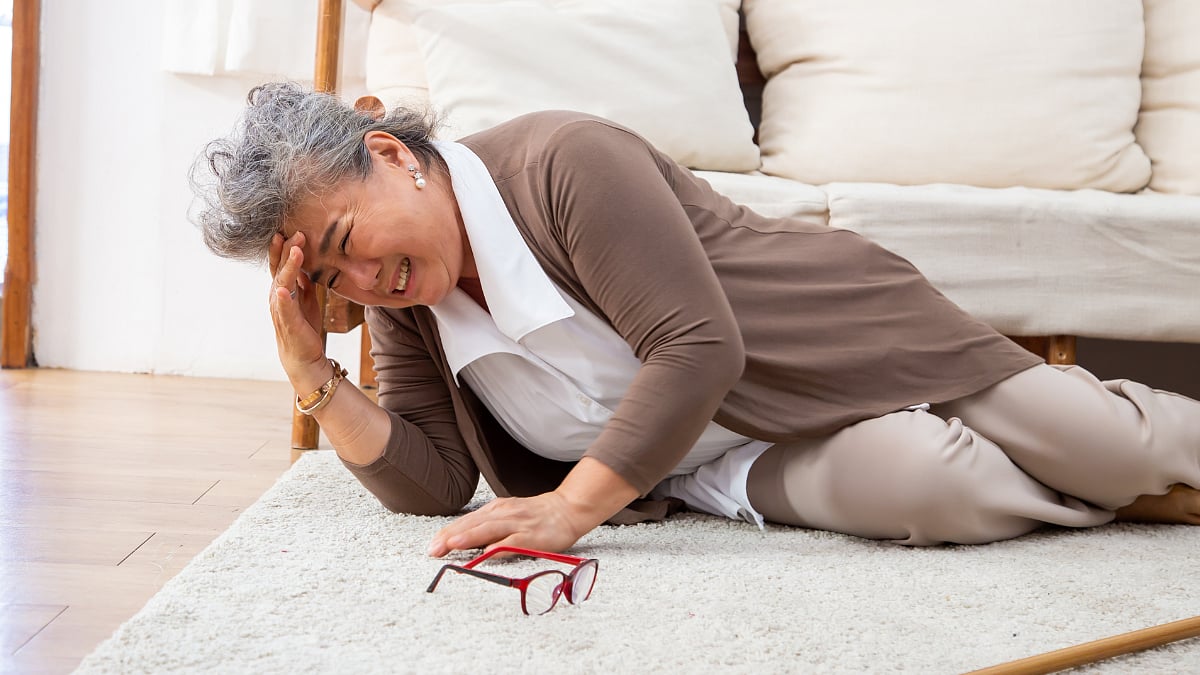
For many elders, financial insecurity is a significant concern. Reduced income, rising healthcare costs, and dependence on pensions or family support can cause stress and anxiety. Economic constraints may also limit lifestyle choices and social participation.
Dignity in such circumstances is sustained by prudent financial planning, transparency, and simplicity. Embracing a minimalist lifestyle focusing on needs rather than wants, can reduce financial stress and enhance peace of mind. Grace is reflected in contentment, gratitude, and the ability to find joy in non-material aspects of life such as relationships, nature, learning, and service.
Elders who accept economic limitations without resentment and avoid comparing themselves with more affluent peers often experience greater emotional well-being. Financial dependence need not translate into emotional dependence if self-respect and self-awareness are preserved.

Autonomy, Choice, and Self-Respect:
A key component of dignified living is autonomy, the ability to make choices about one’s own life to the extent possible. Even when physical or cognitive limitations exist, elders should be encouraged to participate in decisions related to healthcare, living arrangements, daily routines, and personal preferences.
Grace involves recognizing when to seek help and when to delegate responsibilities, without perceiving oneself as a burden. Elders who maintain personal routines, hobbies, and interests reinforce their sense of identity and self-respect. Simple acts such as dressing neatly, maintaining personal hygiene, and engaging in creative or intellectual pursuits contribute significantly to dignified living.
The Role of Society and Family:
While elders must learn to live with dignity and grace, families and society bear a collective responsibility to create enabling environments. Respectful attitudes, age-friendly infrastructure, accessible healthcare, and inclusive social spaces are essential. Educators, senior group leaders, and policymakers must promote positive narratives of ageing, emphasizing wisdom, contribution, and resilience rather than decline and dependency.
Families play a crucial role in affirming elders’ dignity through attentive listening, inclusion in family decisions, and emotional support. Mutual respect between generations fosters an atmosphere where elders can age gracefully without fear or humiliation.
Moving Ahead:
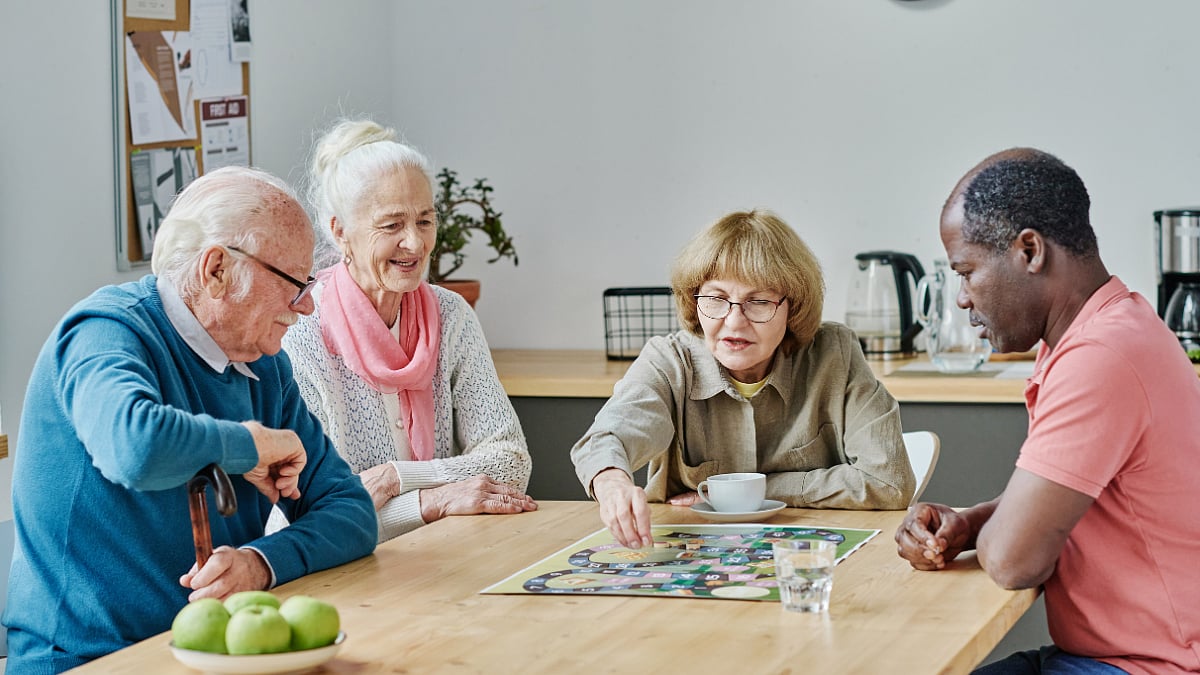
Living with dignity and grace in old age is both an inner journey and a social process. Despite physical, psychological, social, and economic constraints, elders can lead fulfilling lives by cultivating acceptance, emotional resilience, simplicity, and a philosophic outlook. Dignity arises from self-respect and autonomy; grace emerges from patience, humility, and inner strength.
Ageing, when approached with wisdom, can become a period of reflection, contribution, and spiritual growth. Elders who learn to embrace their limitations without losing their sense of worth set a powerful example for younger generations and that helps to set the pattern.
By Dr A K Sen Gupta, Chief Trustee, My Retired Life Foundation. He may be contacted at aksengupta51@gmail.com or 98211 28103.
