From the moment I arrived, it was clear this was not a destination trying to impress, but one confident enough to simply exist. The journey unfolded through landscapes shaped with foresight and restraint, supported by leadership that understood care as something practiced rather than performed. What stayed with me was not spectacle or scale, but a quieter quality: attention that felt discerning, humane, and deeply considered.
My first night at Miraaya Wellness and Golf Resort was unexpectedly restless. Heavy, unfamiliar sounds above my villa disrupted sleep. In darkness, imagination moves faster than reason. Shifting weight and muted thuds easily translate into threat. By morning, clarity arrived with daylight.
What I had mistaken for intrusion was life itself.
A mother monkey and her babies had settled on the thatched roof, drawn by warmth against the Himalayan cold. They remained there throughout my stay. That moment quietly set the tone for everything that followed: coexistence rather than control, awareness rather than alarm.
The response from the team was immediate and instinctive. Without discussion or protocol, the villa below mine was opened for safety. Each night, someone was present—not intrusive, not theatrical, simply there. Above, wildlife held its ground. Below, human care kept watch. It was hospitality without performance.
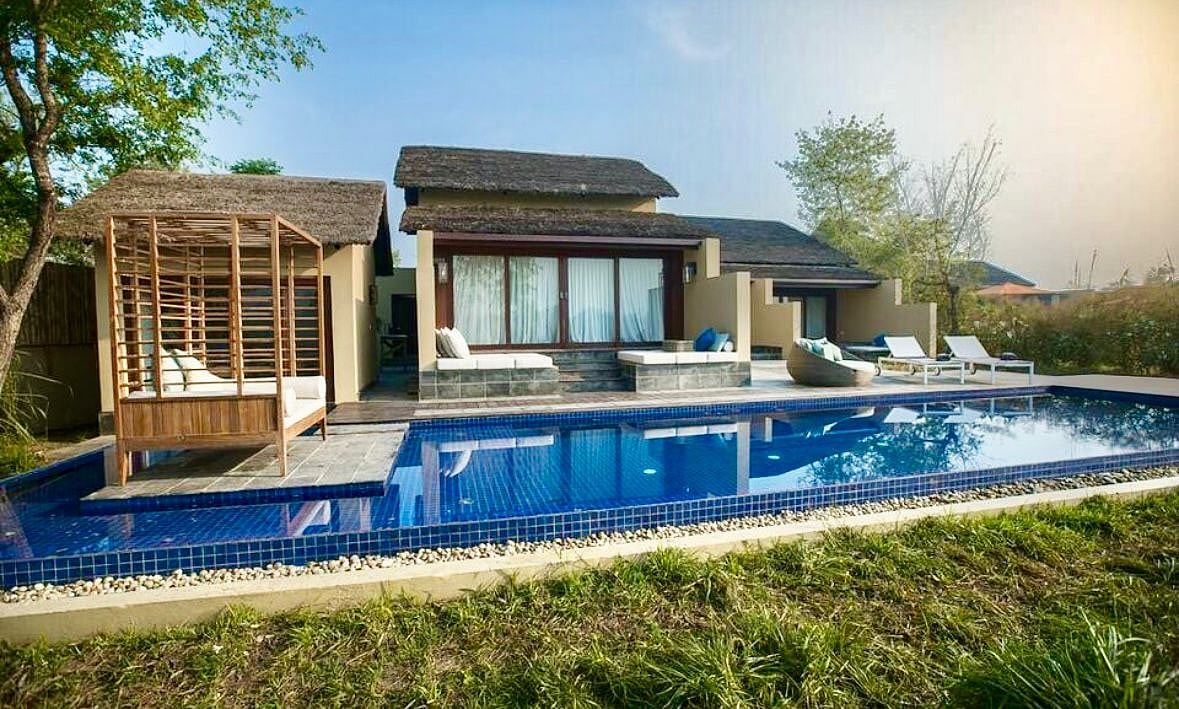
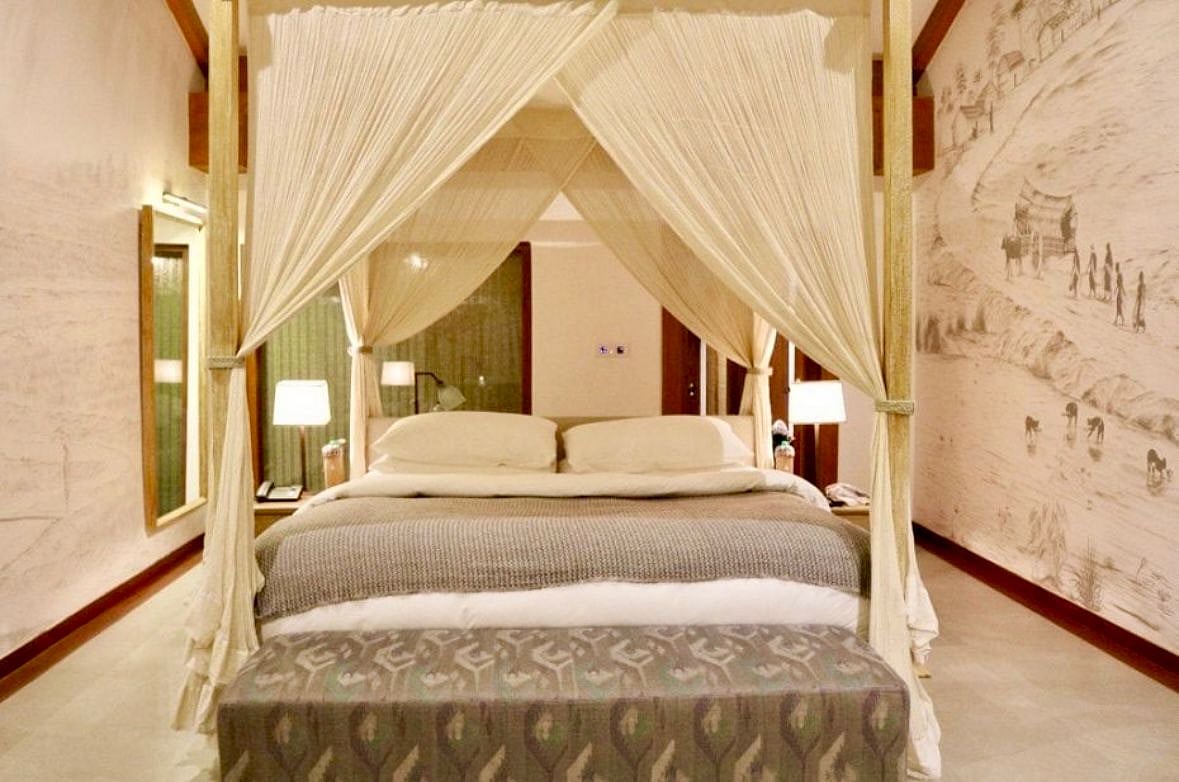
The villa itself was expansive yet measured. Luxury here was expressed not through excess, but through space used generously and intelligently. Nothing demanded admiration; everything encouraged ease. From the outset, the message was clear: this was a stay shaped by dignity rather than display.
Mornings arrived softly. Mist settled into the landscape, dissolving urgency. After Mumbai—a city that often feels like a geographical ashtray—the clarity was physical. Breathing felt easier. The body responded before the mind could analyse it.
Nepal’s cold is not decorative. It settles deep into bone and lingers. Yet this time, my body met it differently. A year and a half earlier, altitude had overwhelmed me elsewhere—breath laboured, energy scarce. Here, something had shifted.
Despite the chill, I walked and ran daily. Yoga and meditation found their place naturally. I played golf for the first time and calmly sank a putt. I played basketball too—entirely unfamiliar territory—and managed to dunk twice. What mattered was not the novelty of these firsts, but the environment that allowed them. Encouragement arrived without pressure. Support without expectation. Confidence grew where nothing was demanded of it.
To clarify, I was not following a wellness programme during this stay. I already live with DELY-DEscipline—a deliberately structured, non-negotiable approach to wellness anchored in small, repeatable daily practices and consistent strength training. Since August 2024, this has resulted in a 60-kilo weight loss. I carried this rhythm with me throughout my time here and later deeper into the wild. The purpose of this journey was not transformation, but recalibration—allowing the body to move without constant measurement.
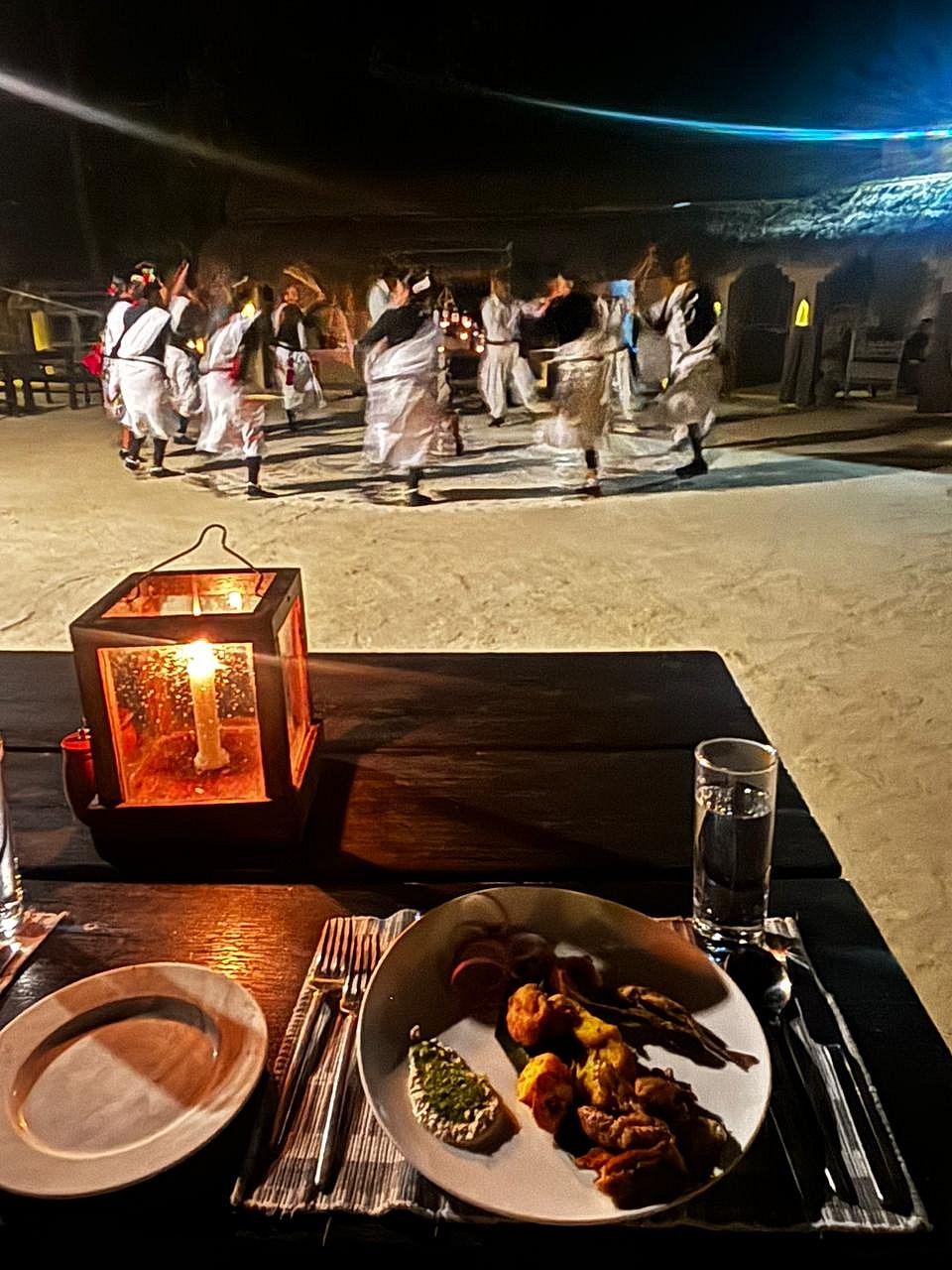
My feedback applies only to the general hotel dining I experienced, not to meals served to wellness guests. While service was attentive and portions generous, food quality and presentation require greater consistency. Flavours occasionally lacked depth, and plating did not always reflect the calibre of the property. We eat with our eyes first, and here, presentation has room to rise. In contrast, the local Nepali meal on my final night was simple, warming, and perfectly aligned with climate and place.

Anandita De with Binod Chaudhary, Chairman of CG Group (billionaire of Nepal) |
Practical realities surfaced quietly. Digital payments remain limited compared to India, where even small vendors accept instant transfers. ATMs were unreliable and often out of cash, while credit cards were inconsistently accepted. Connectivity was another challenge; despite using an international phone plan that works seamlessly elsewhere, coverage here was uneven. For a country welcoming international travellers year-round, these gaps deserve attention.
From there, the journey moved deeper into the wild.
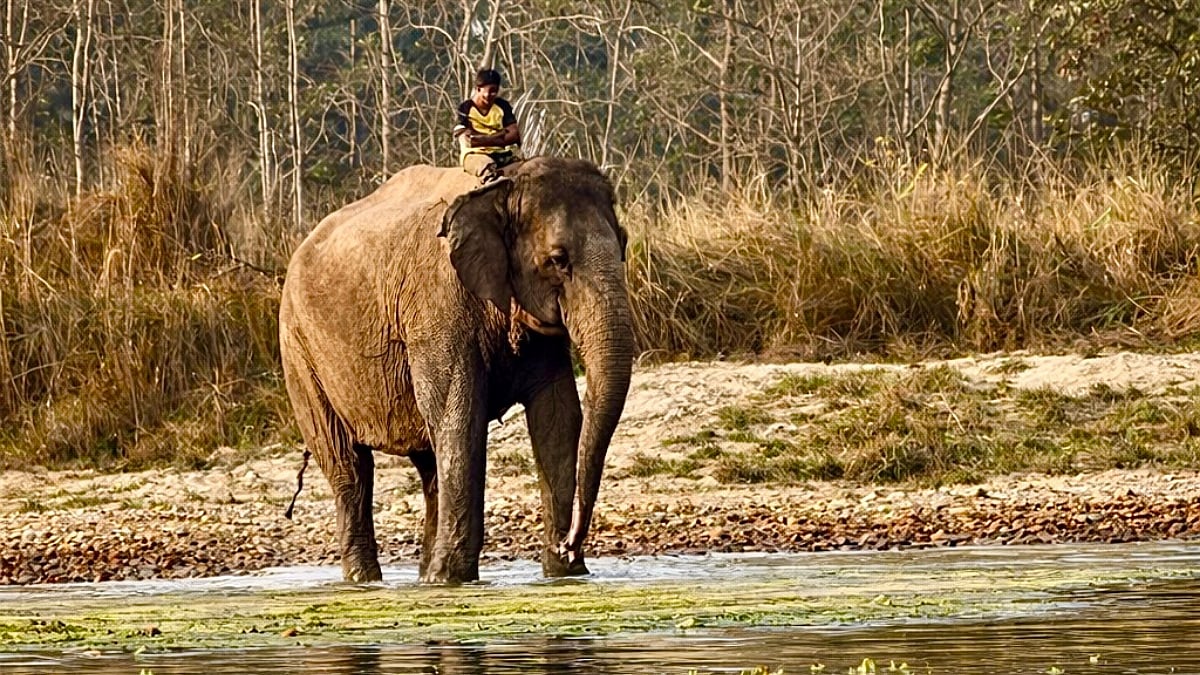
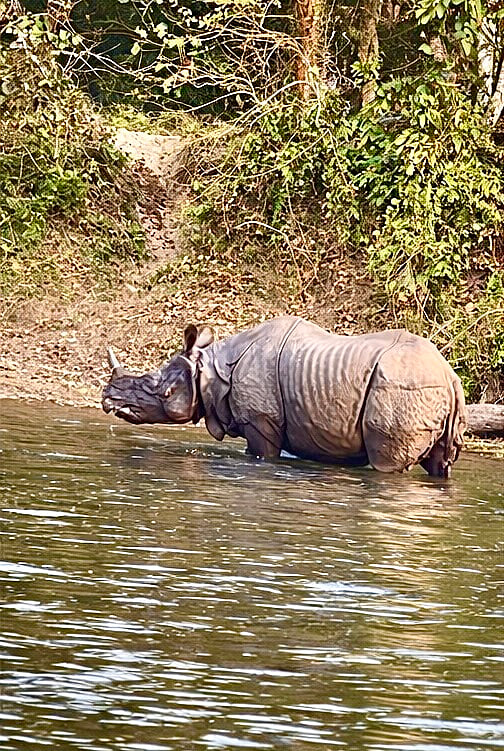
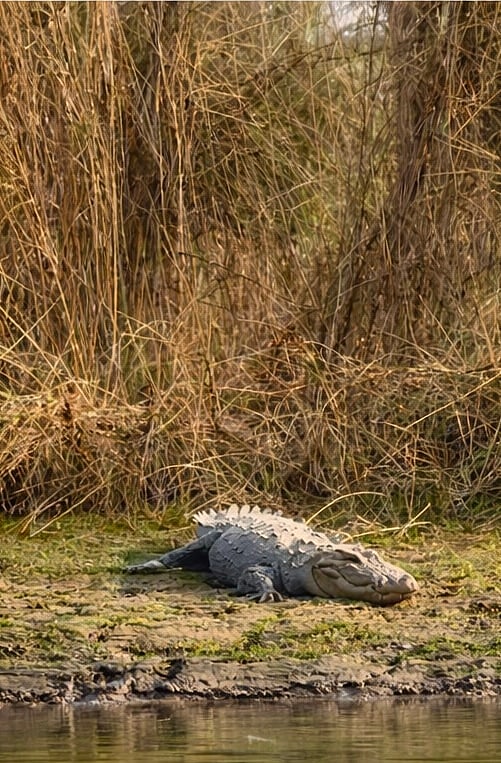
At Meghauli Serai, within Chitwan National Park, the relationship with space shifts entirely. Here, the landscape leads. My jungle suite opened directly onto the river where animals come to drink. Design choices—open thresholds, woven textures, uninterrupted sightlines—encouraged stillness rather than spectacle.
On the first evening, mats were placed on the outer ledge just before the pool, and we lay there quietly, stargazing. No agenda. No orchestration. Just presence. Ensuring I was not alone that first night acknowledged emotional as well as physical safety.
I didn’t leave transformed. I left tuned.
Leadership revealed itself quietly throughout the journey. Conversations around movement and vitality were grounded in curiosity rather than performance. Subtle shifts surfaced naturally—simpler food choices, mountain biking adopted as cardio, a daily rhythm that felt intentional rather than imposed. There was no instruction, only example.
I both began and ended my journey in Kathmandu. The city remains compelling—chaotic, vibrant, and alive. Thamel alone is reason enough to return. Nepal does not try to impress. It simply is. Three hours from India, yet operating on an entirely different emotional frequency.
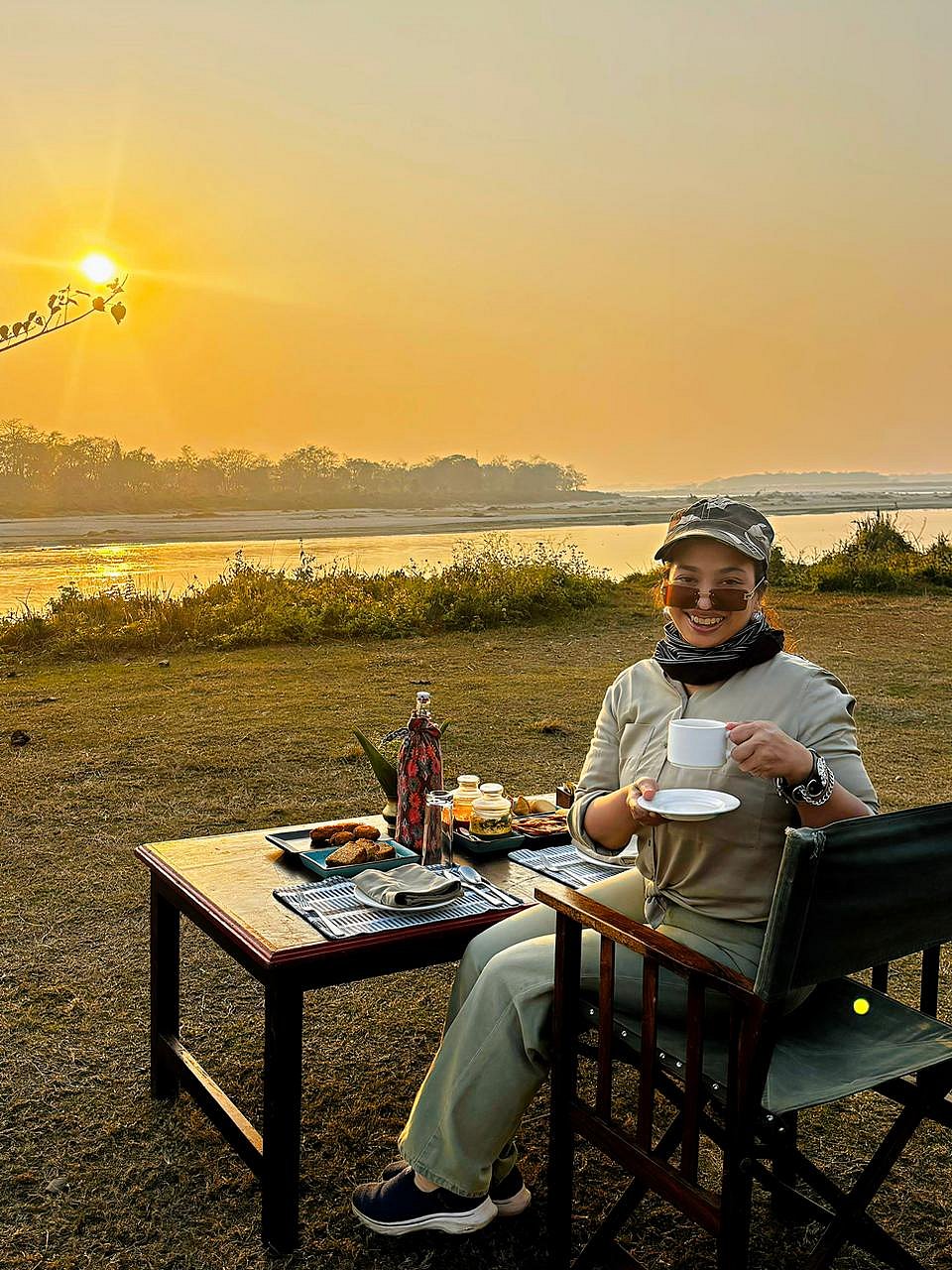
This journey was never about access or titles. It was about recognising kindness, restraint, and decency—qualities increasingly rare in a transactional world.
I left aligned with the land, not because it is exotic, but because it is honest. Its beauty is quiet. Its spirituality is lived, not declared. And in a world that rarely slows down, that honesty feels restorative.
Across global travels, I can say this and stand by it: I have never experienced hospitality this intuitive, this human, this quietly present—and it is precisely why I cannot wait to return.

