In a world obsessed with celebrities and their diets, it's no surprise we crave the same smoothie or matcha latte they hold—especially from ‘the world's most expensive grocery store’. California-based Erewhon capitalised on the hype, launching smoothies in collaboration with the same celebrities. Songstress Sabrina Carpenter and K-pop star Lisa have smoothies named Short N Sweet Smoothie and Thai Up The World, respectively, priced at $20. Erewhon owners Antony and Josephine Antoci have set the benchmark of what a 21st-century lifestyle brand should look like by blending luxury, wellness, celebrity influence, and social media aesthetics.
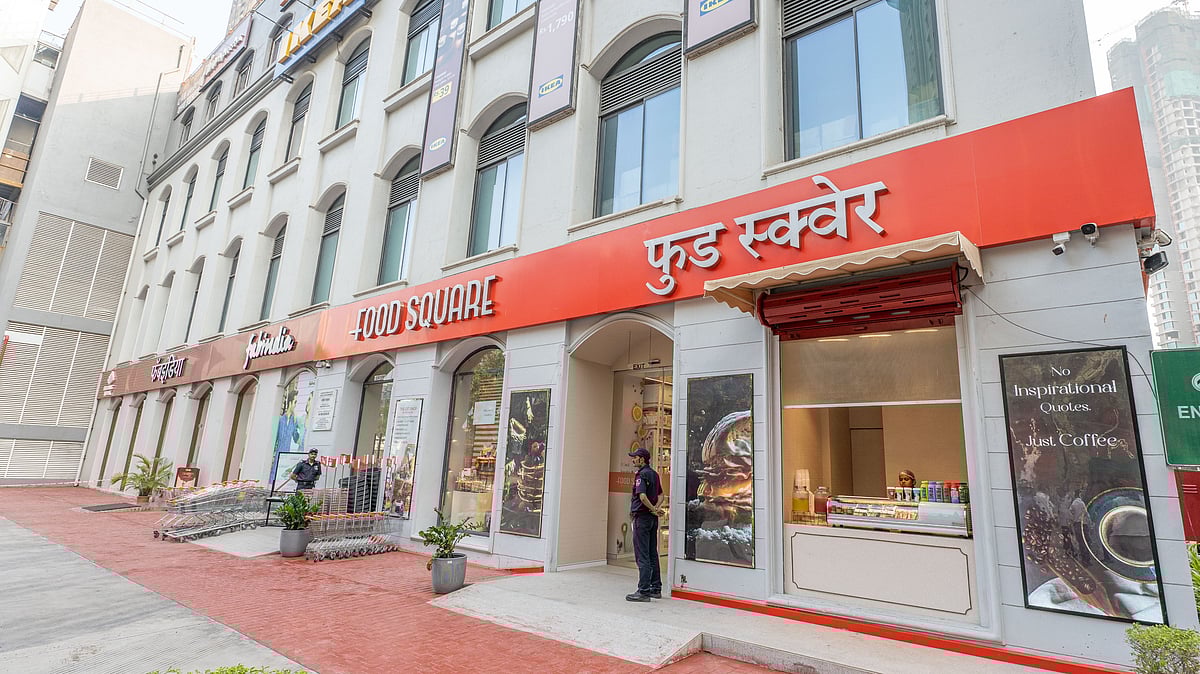
In India, gourmet food stores have tried and failed to emulate the lifestyle orientation of a grocery store. Yet there is hope. According to projections by IMARC Group, India’s gourmet foods are expected to expand to $23.47 billion by 2033 from $4.55 billion in 2024. In a strategic franchise partnership with Apparel Group, French brand Carrefour is coming back to India after a decade, opening its first store, spread across 25,000 sq. ft., at Greater Noida’s Boulevard Walk, with more openings in the pipeline. Mumbai-based Food Square is also looking to expand its footprint with three new outlets in the south and west India by Diwali 2026.
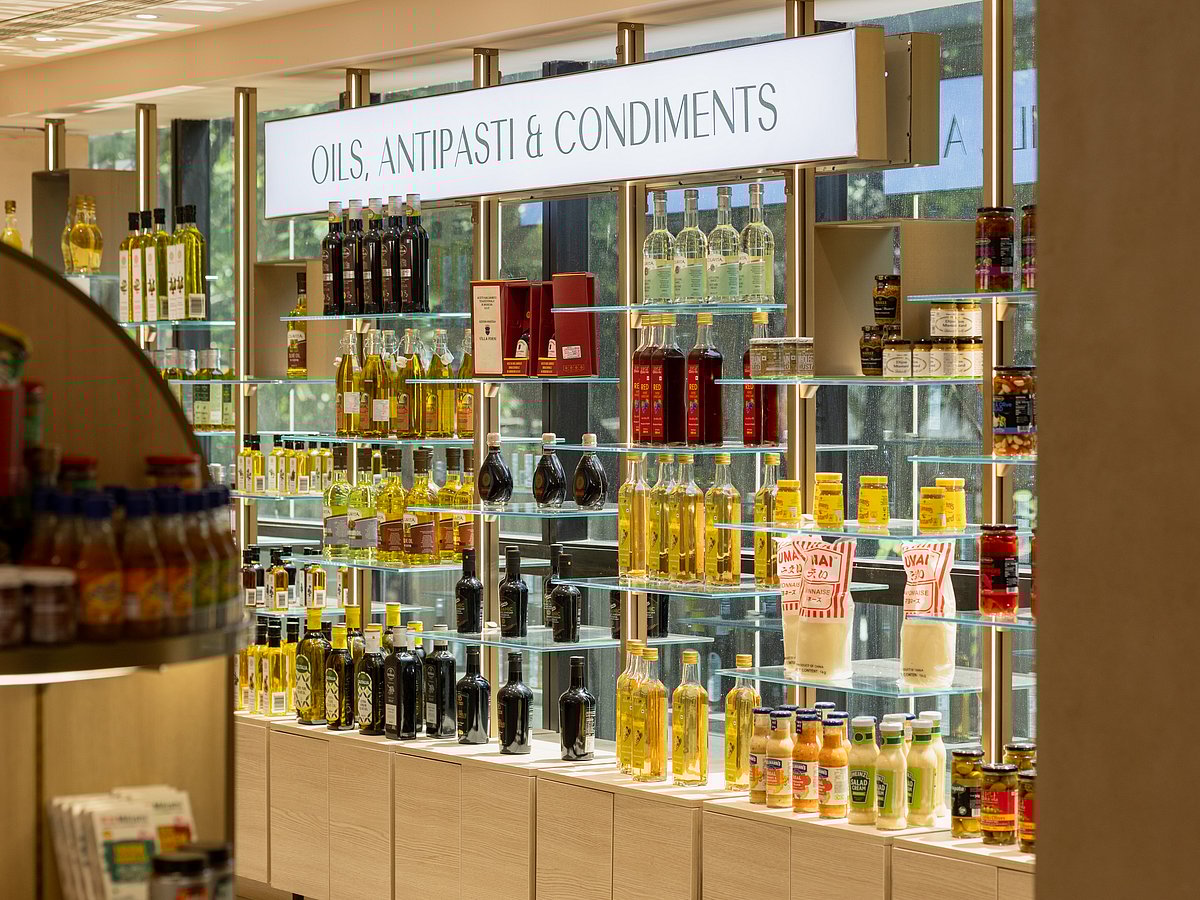
Gourmet ingredients at Foodstories | Pic: Foodstories
Hospitality consultant and writer Nikhil Merchant, who spent four years in Los Angeles and experienced the Erewhon hype, observes that while Indian gourmet stores focus on niche specialities you seek out occasionally, “Erewhon blends those with everyday organic staples, turning visits into a wellness habit over local supermarkets.” Players in India surmise that the Erewhon success cannot be duplicated as is. India is a complex country with layers of emotions and consumption patterns. Value is the key. “Whether it's the richest billionaire or a middle-class Indian, everyone looks for value in every transaction,” explains Mayank Gupta, co-founder, Food Square. Consumer knowledge and awareness, though evolving, need a helping hand in India. A consumer should be able to explore, effectively communicate and interact with the store without feeling prejudiced about his/her purchasing decision.
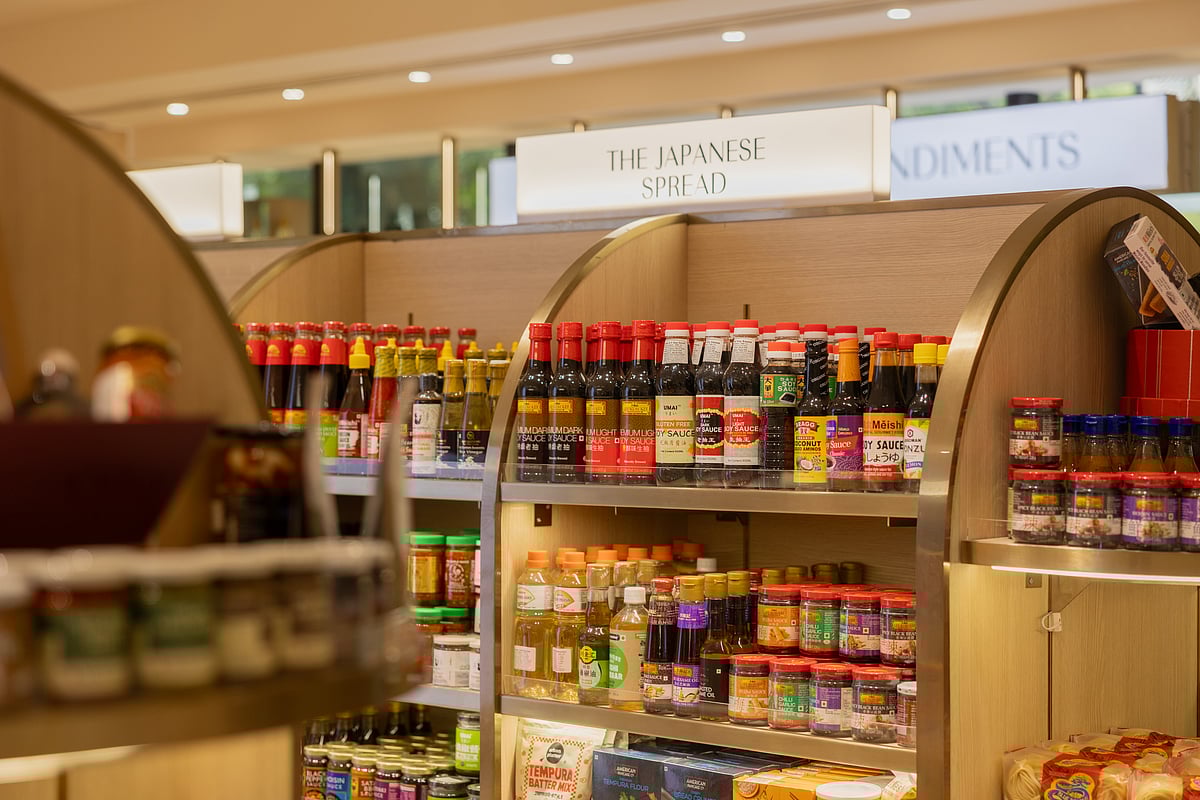
Japanese gourmet ingredients at Foodstories, Bengaluru | Pic: Foodstories
It’s lamentable that yet again, the West has profited from cultural and culinary heritage in India. The wellness-core that Erewhon has championed is built on tenets that Indians live by daily: Ayurveda, balance, seasonality and nourishment. Avni and Ashni Biyani, co-founders of Foodstories, say, “We need to bring traditional food values to a new generation of consumers who are globally exposed and increasingly curious about food.” That means bringing together global ingredients with exceptional local produce, creating spaces where discovery happens naturally, and encouraging people to engage more deeply with what they eat. For a consumer, the assumption is that if a premium food product is stocked at a gourmet store, it is better for them. “You automatically presume that they are vetting and ensuring the products before sourcing. The organic label on the product is reassuring,” explains Merchant. In that sense, conscious consumption is quietly reshaping gourmet retail. It is no longer about excess, but about nourishment, and intelligence in food choices.
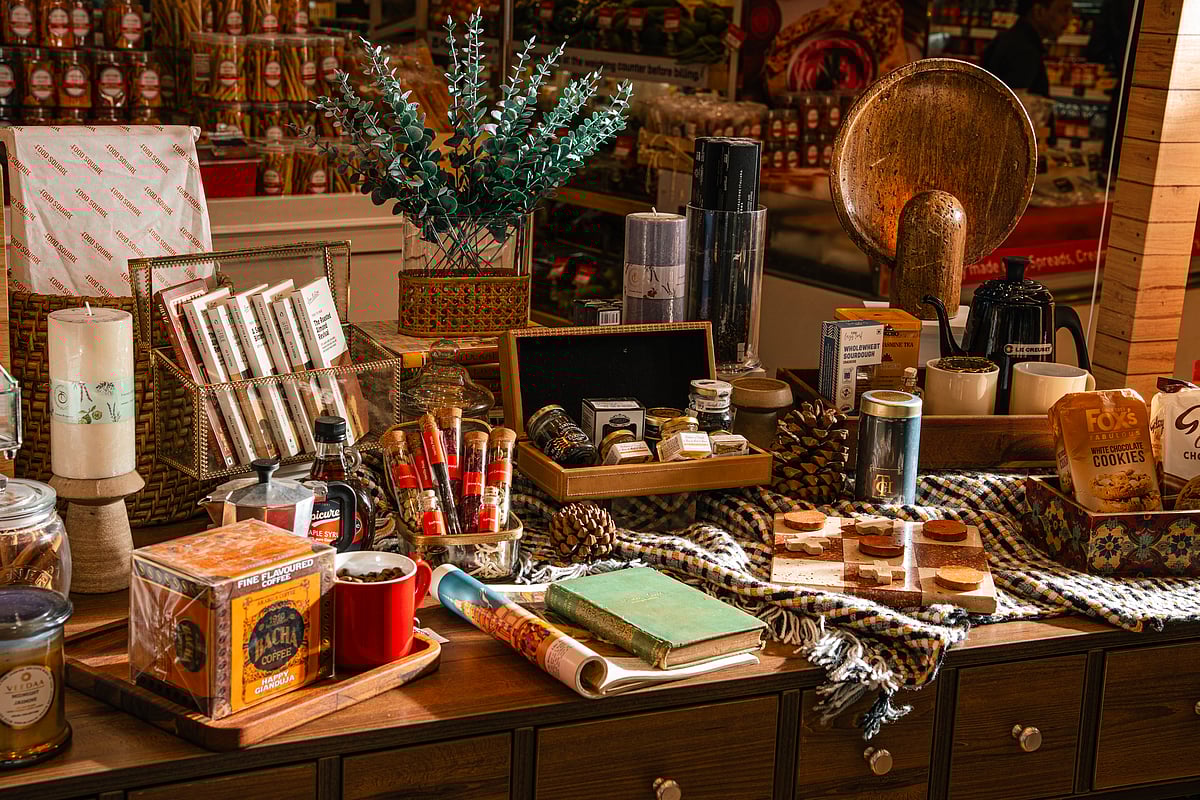
Parth Gada
With wellness at its core, the definition of gourmet has also evolved. “From imported, rare, or difficult to find, it has become about ingredient intelligence,” Biyani sisters share. India still suffers from food scarcity, adulteration, mislabeling and obscure food safety norms, leading to a low-trust market. “It is no surprise that high-quality foods with trustworthy sources have come to mean gourmet for many,” adds Gupta.
Despite previous failures, India’s gourmet retail space has sunny days in its future. India's gourmet stores need not chase Erewhon's shadow—past stumbles aside, a booming market, evolving consumers, and deep-rooted culture pave brighter paths ahead. What is needed is the confidence to own the India narrative and be unapologetic about it. The future of India’s gourmet market will depend on building trust and creating spaces where discovery and conscious consumption become part of everyday food culture.

