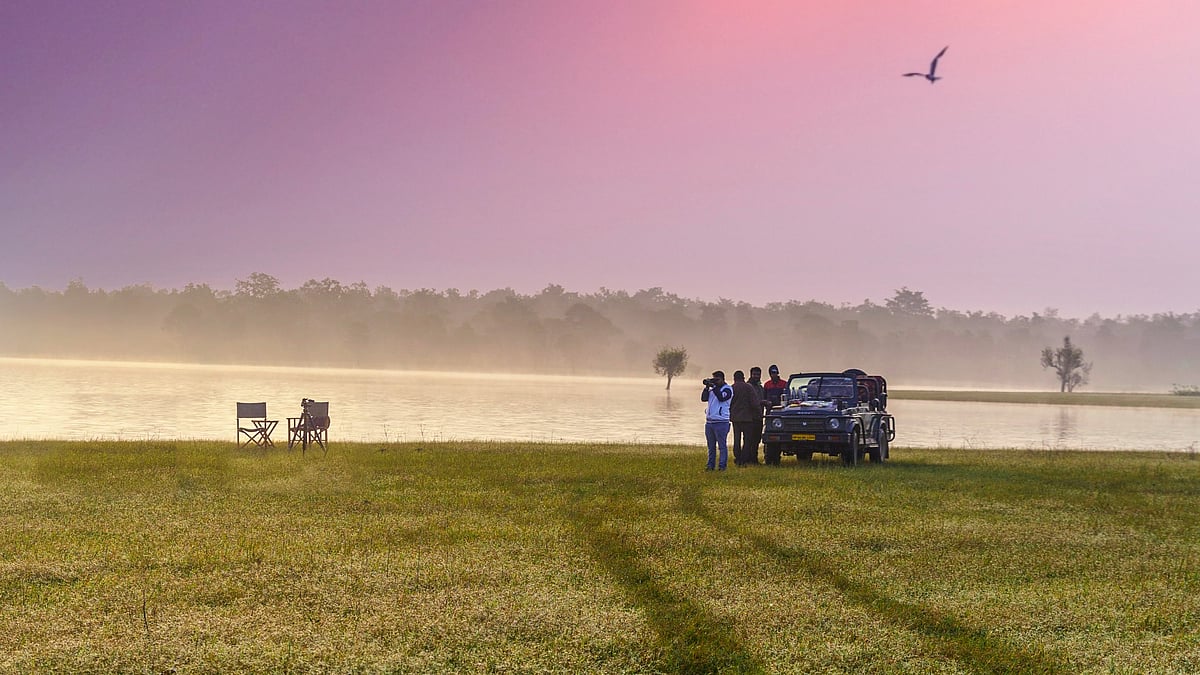
There is a certain anticipation that comes with entering a tiger reserve. You scan the forest for movement, listen for animal calls and watch the road ahead, hoping for that elusive glimpse. We want that sighting, that photograph for the gram, and that encounter to talk about. Amidst this checklist, the tiger has become the focus of most jungle experiences in India, while everything else seems to fade into the background. But what if, instead of chasing sightings, we spent time in the forest and paid attention to what was right in front of us?
That was the idea behind my recent monsoon visit to Satpura Tiger Reserve, where, for the first time, I experienced the forest without the usual pressure to find its most famous resident.
A different side of Satpura
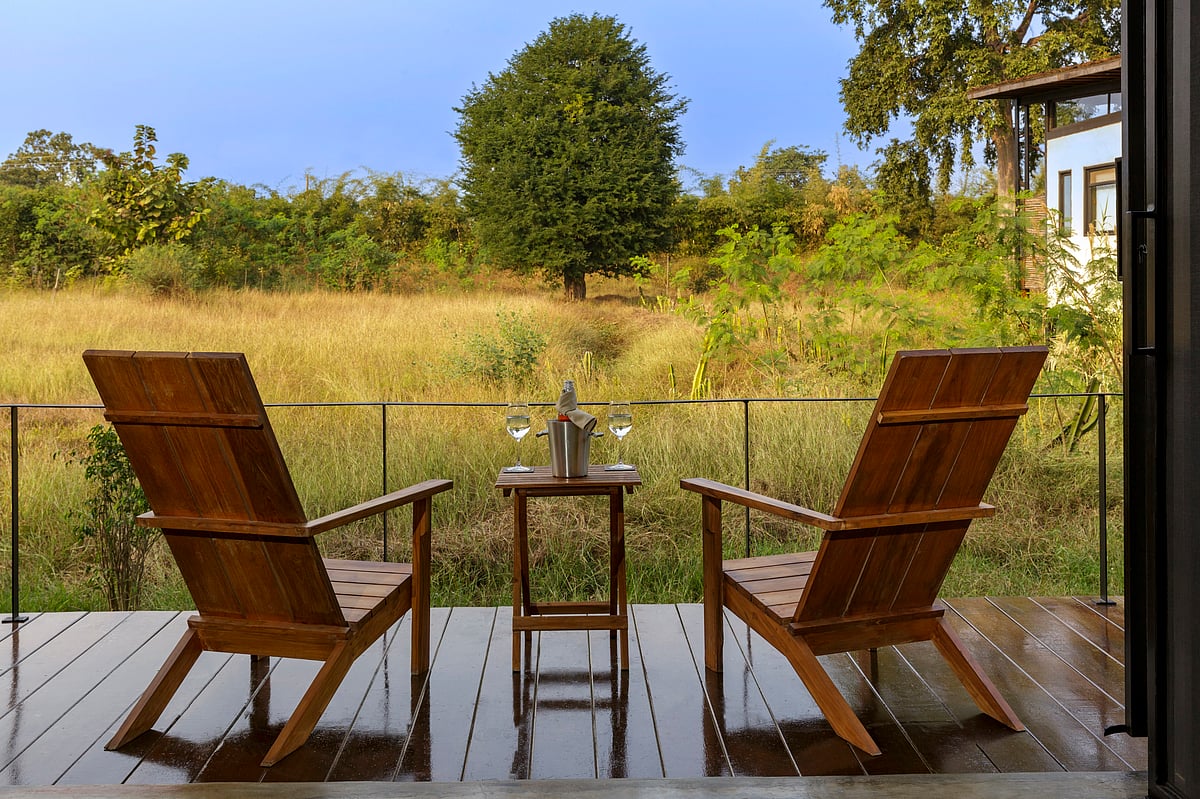
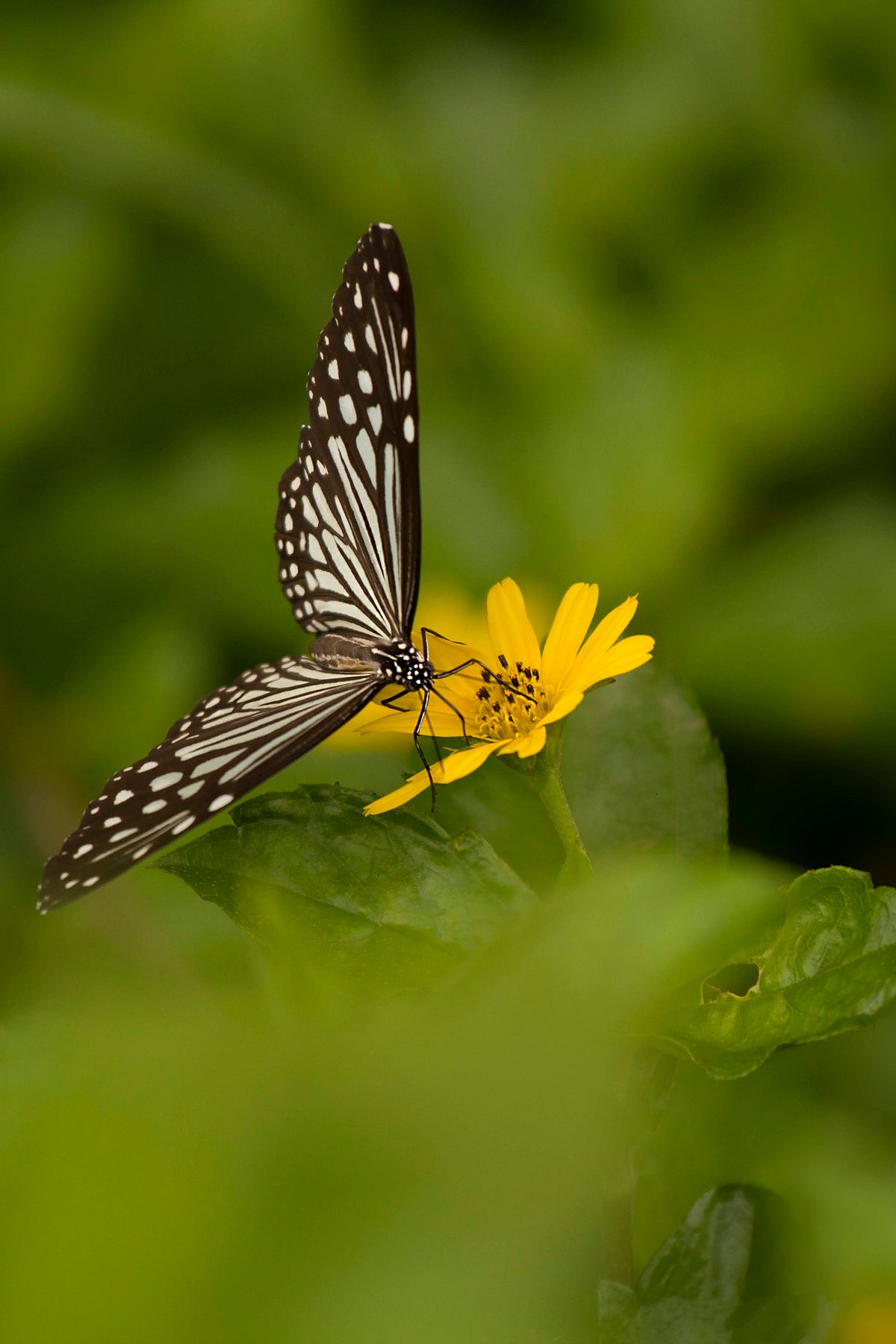
During my visit to the Bori Safari Lodge, located along the southwest side of Satpura Tiger Reserve in June, there seemed to be no immediate pressure to chase a sighting. “With water available more widely and dense vegetation providing plenty of cover, tiger sightings can become less predictable. They are less dependent on specific water sources than in the dry months,” explains Aly Rashid, Director & Field Naturalist, Jehan Numa Wilderness. It made me realise that perhaps the monsoon is not the season to visit with wildlife sightings as the only objective. Without the compulsion of finding a tiger, there was time to drive through the forest, explore its quieter corners and simply sit with the landscape. My attention shifted to the birds calling from the canopy, the hundred shades of green, insects, fungi and the small signs of life that are easy to overlook when you are scanning the road for stripes.
Into the green
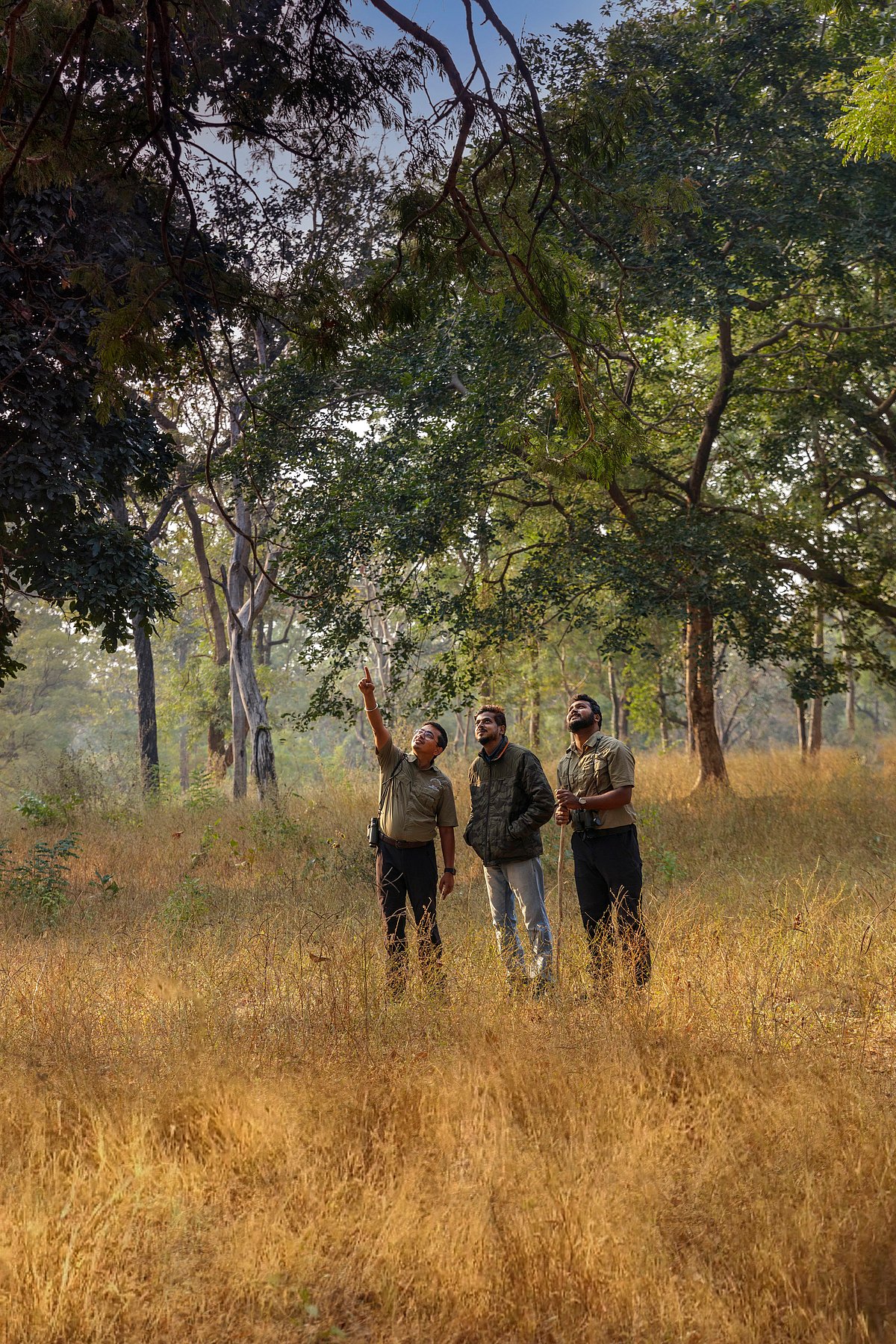
Incidentally, this was the first time that the southwest side of the Satpura Tiger Reserve was opened to visitors, making the experience all the more intimate and immersive. In the monsoon, Satpura transforms completely. “The forest turns lush, seasonal streams come alive, and frogs, birds, insects, fungi and wildflowers emerge everywhere. With buffer safaris and guided nature walks, guests can experience this quieter, more intimate side of the landscape,” continues Rashid.
On a guided forest walk, our naturalist pointed towards a pond. At first, I could see little more than a scattering of dots across its surface. They were tiny frog eggs. He explained that they would not survive if there was insufficient rain. It was a small moment, but it changed how I saw the forest. On a conventional safari, I would have certainly missed this. Here, an entire life cycle was unfolding in front of us, dependent on something as simple and unpredictable as rain. It was also a reminder that the forest is made up of thousands of these small stories. The tiger may be its most celebrated resident, but it is only one part of a much larger ecosystem.
A case for slow travel
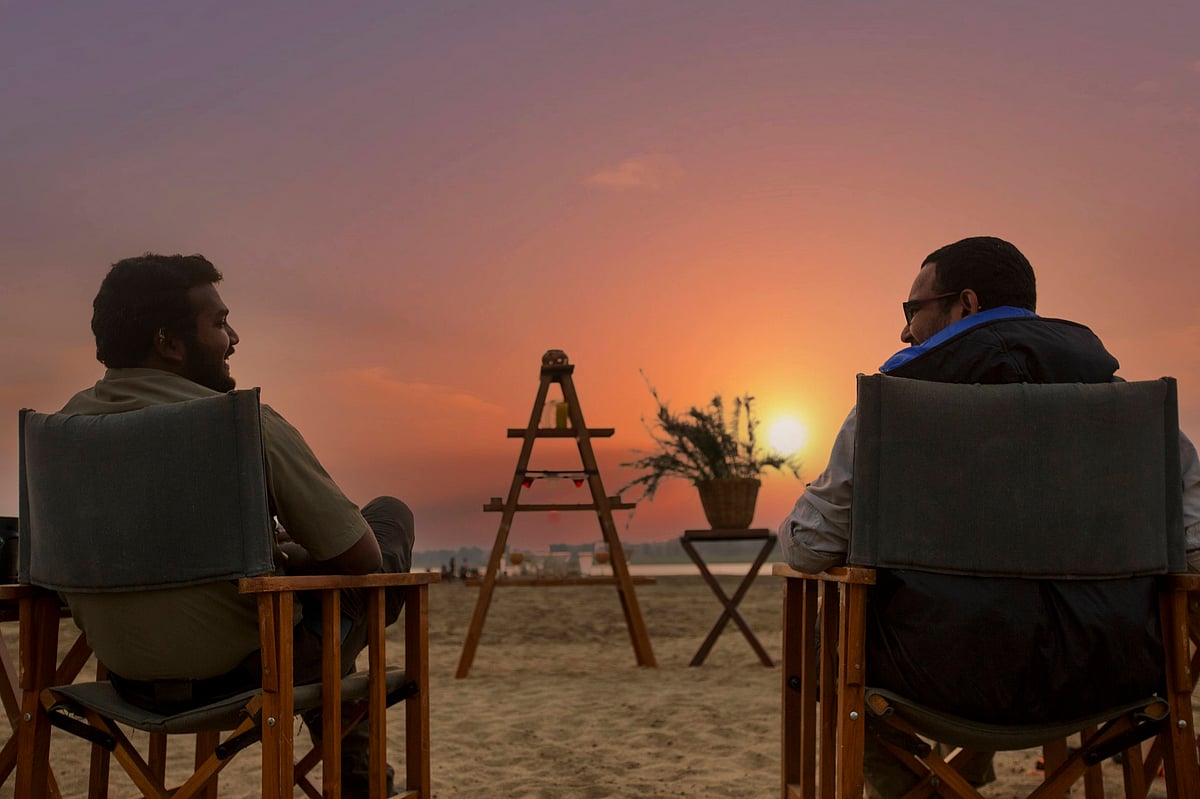
Satpura seemed to naturally lend itself to the idea of slow travel. Rather than trying to pack every hour with activity, the experience became about spending time in one place and allowing the landscape to reveal itself. While there were guided walks and buffer explorations, there were also long stretches of simply being surrounded by greenery. Back at the lodge, there was plenty to do without ever feeling rushed—a cooking workshop, a cycle ride through the village, a spa experience against the sounds of the forest or simply sitting back and listening to the birds. After all, luxury is not always about adding more, but sometimes about having the time to do less.

