Mumbai resident Anjali Pednekar (26) travelled somewhat differently for her first solo trip than her friends had imagined. She signed up for a surfing lesson on the western coasts of India for a 10 day course, for a vacation between two jobs, all alone. “I was always afraid of the sea so I knew I had to do something that deals with my fear in a structured way. Surfing was the best thing I could have chosen and being alone helped me not be coddled but push on to actually learn the balance needed to surf the waves”, she told FPJ. For Pednekar, scuba and underwater courses needed more money but surfing on the coast of Udupi was doable by staying in budget-friendly homestays.
From surfing to seaweed farming, pottery to linguistics—travel is increasingly being propelled by the hunger to learn as young Indians open up to the concept of a ‘skillcation’. These are trips where travelers can seek immersion in new cultures through a craft, a tangible skill that adds value to your life rather than your resume. Whether it is the art of fabric dyeing or simply writing better by attending retreats led by literary guides, or understanding agricultural practices that have sustained communities for generations, skills have always quietly fueled our desire to explore. But 2026 marks the moment this style of travel becomes a defining wave, replacing passive with purpose.
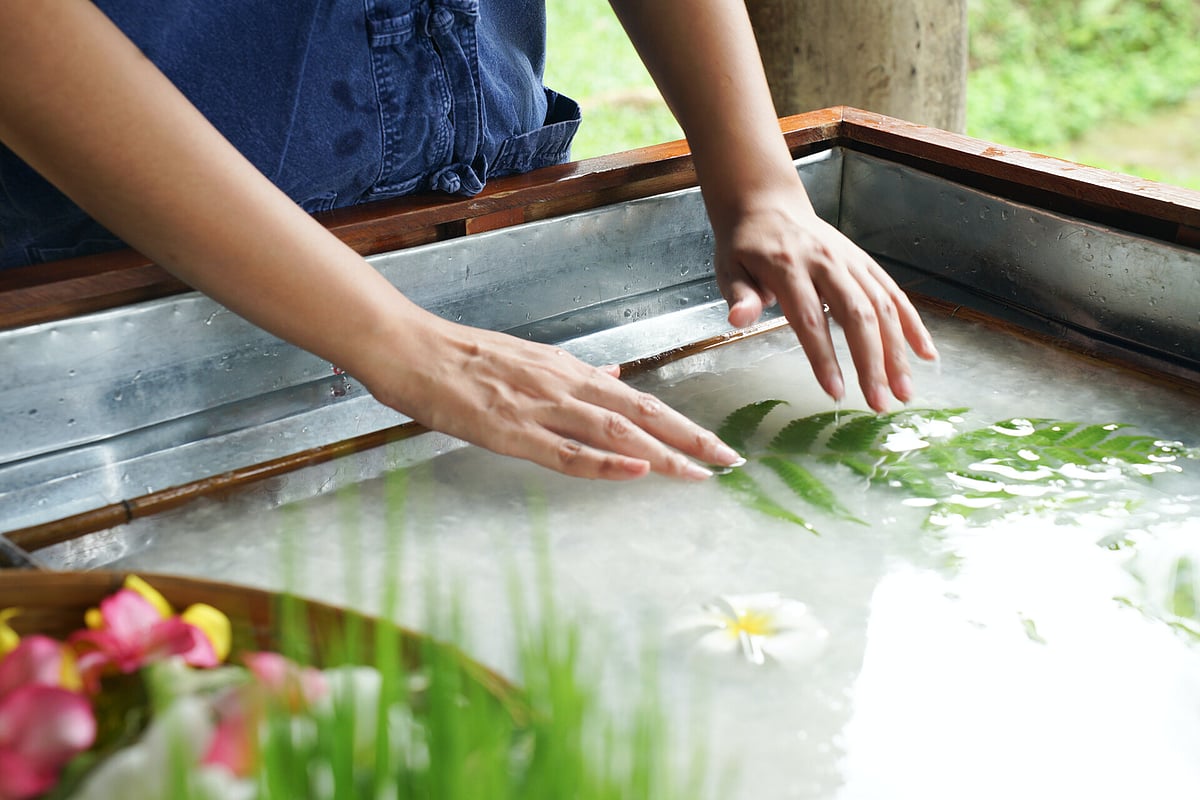
Paper Making at FS Chiang Mai |
Hilton's Travel Trends Report 2026 reveals a striking shift, where 70% of family travellers are now seeking experiences that connect them to local traditions. Notably, 66% of travelers are actively pursuing cuisine they've never tasted or cultural practices they've never encountered before, marking an end to the era of passive tourism and aimless sightseeing. Travellers like Pednekar are increasingly choosing journeys where discipline enhances relaxation, where learning becomes the luxury, and where travelers return home not just rejuvenated, but transformed.
From Escape to Evolution
"People are travelling less frequently but far more intentionally, choosing experiences that offer value beyond sightseeing," observes Pranav Maheshwari, Co-Founder of StayVista. "Post-pandemic behaviour has shifted strongly toward self-improvement and mindful living. Travellers want to return home refreshed and enriched”, he says.
Private villas and heritage properties naturally support this evolution, offering space, privacy, and flexibility—ideal conditions for learning without the pressure of fixed schedules or crowded environments. "At StayVista, guests gravitate toward balance by choosing a meaningful activity for a part of the day, followed by long stretches of unwinding," Maheshwari notes. "It makes the break feel richer and more memorable, especially during extended stays."
The sustainability of this trend is in its foundation. "Skill-based travel isn't driven by novelty; it's rooted in personal growth," he explains. "What will evolve is the format. Travellers increasingly prefer informal, flexible, and immersive experiences over rigid courses, allowing learning to blend seamlessly with leisure."
Crafting Authenticity
India's heritage properties are leading this transformation with particular sophistication. At House of Rohet, close to Jodhpur, skill-based experiences aren't packaged trends but align with deep engagements with the place and practice.
"We've observed a clear shift in how travellers define the value of a holiday," explains Avijit Singh, Managing Director of House of Rohet, which runs three properties in Jodhpur and its vicinity. "Guests are seeking immersive, purposeful experiences that leave them with a tangible sense of growth. There's a growing appreciation for craftsmanship—for skills that take time, patience, and lineage to master. Learning directly from practitioners, in their own environment, adds authenticity that no classroom or online tutorial can replicate", Singh highlights.
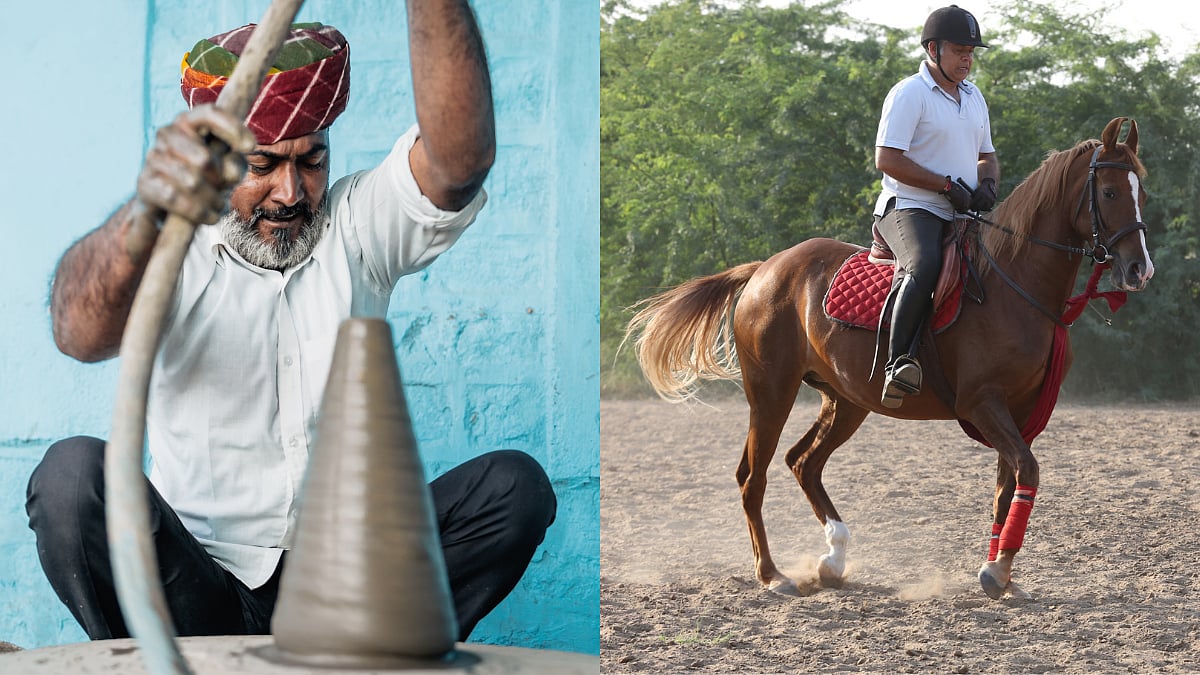
Their equestrian programme exemplifies this philosophy. Designed not as casual riding fun but as serious engagement with the Marwari horse, it is suited only to experienced riders wishing to refine balance and horsemanship while understanding the breed's cultural significance. Grooming, tacking, and riding through rural landscapes become lessons in respect for both animals and tradition. "This depth ensures that the experience remains purposeful rather than recreational," Singh notes.
Culinary workshops go beyond demonstrations. Guests cook with chefs, learning about ingredients and techniques of regional cuisine, including family recipes from the erstwhile royal households—and slow methods evolved over generations. "The emphasis is on understanding ingredients, not rushing outcomes—a skill increasingly lost in modern kitchens," Singh observes.
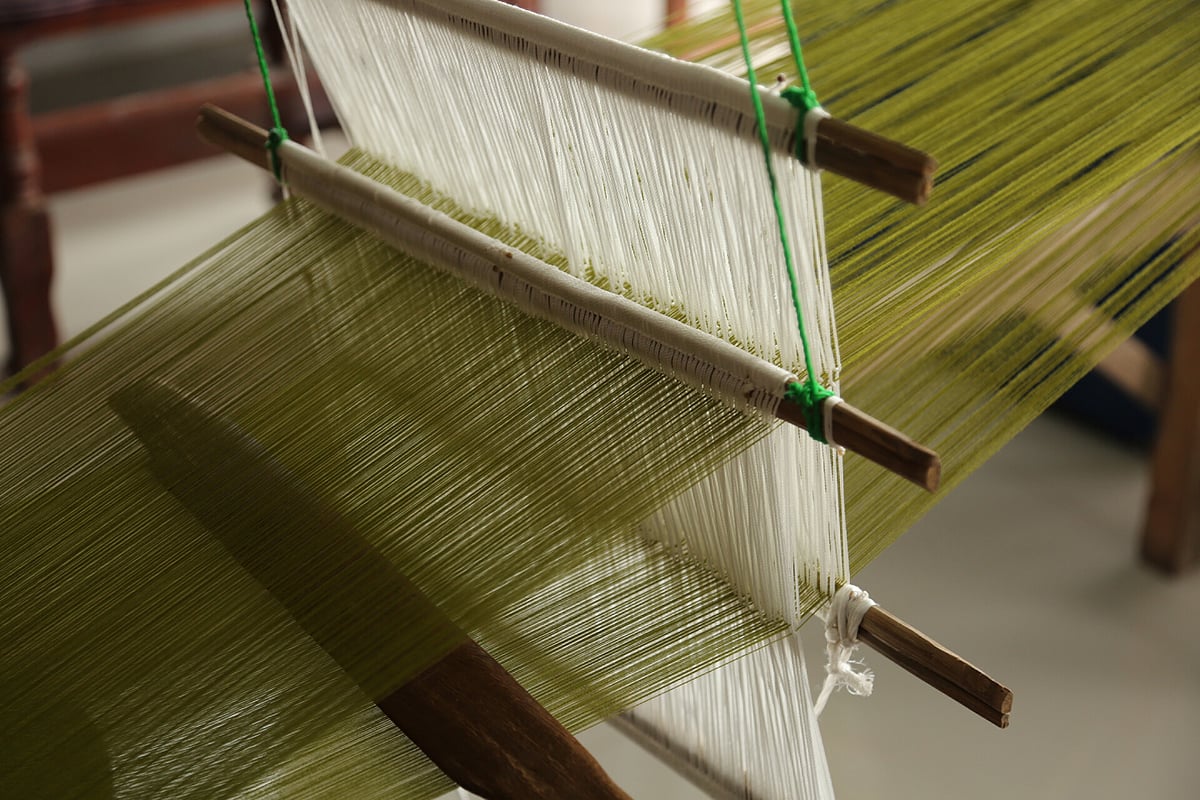
Pottery sessions facilitated by luxury hotels inherently happen with local potters using traditional wheels and techniques, demanding patience and precision. Embroidery workshops with community weavers allow guests to engage with living craft tradition, appreciating the rhythm, symbolism, and discipline behind each stitch. This is becoming a cherished offering even beyond Rajasthan, slowly inviting guests to understand India’s deeply local heritage crafts in states like Odisha, Maharashtra, Madhya Pradesh, West Bengal and Tamilnadu.
Avijit highlights that these crafts are not just souvenirs to be consumed, but skills to be respected. "The sustainability of skillcations lies in intention. When experiences are thoughtfully designed, culturally respectful, and led by practitioners rather than performers, they create value for both the guest and host”, he explains.
The Artist's Pilgrimage
Tattooing was perhaps not the cup of tea for Boomers and even millennials, but that is changing now, as observes Sunny Bhanushali, founder of Aliens Tattoo Studio & School. "Tattooing has always involved travel," he observes. "Long before 'skillcation' entered common usage, tattoo artists were moving across cities and countries to learn directly from master artists and the cultures that shaped specific styles. These journeys were never about leisure or comfort. They were about proximity to the source of the art."
Many tattoo forms are inseparable from their place of origin. "The relationship between tattooing and travel exists because tattooing is shaped by more than technique alone," Bhanushali explains. "It is influenced by skin type, cultural symbolism, local rituals, and the psychology of the people receiving the tattoo. These nuances cannot be fully understood through screens."
Over the last two decades, Bhanushali has seen hundreds of artists undertake these pilgrimages—to Japan for traditional Irezumi's discipline and deep respect for heritage, Bali for spirituality and sacred geometry's meditative practice, Germany for hygiene systems and procedural precision, Miami for colour realism and high-performance professional tattooing. Many worked without pay, observed quietly, cleaned studios, and earned trust before ever touching skin. "For serious tattoo artists, at least one such journey is almost a rite of passage," he notes.
"Artists don't just return with improved technical skills," Bhanushali reflects. "They return with broader perspectives on responsibility, storytelling, and cultural sensitivity."
India, particularly Bengaluru, Mumbai, and Goa, are now emerging as a learning destination offering exposure to diverse skin tones, symbolic storytelling, and fusion of traditional and contemporary influences. "At our school, we have always encouraged artists to travel, learn globally through tattoo conventions, and return with knowledge that can be interpreted rather than copied”, says Bhanushali. This exchange of cultures and techniques allows an art to evolve while staying rooted in authenticity.
The Global Wave
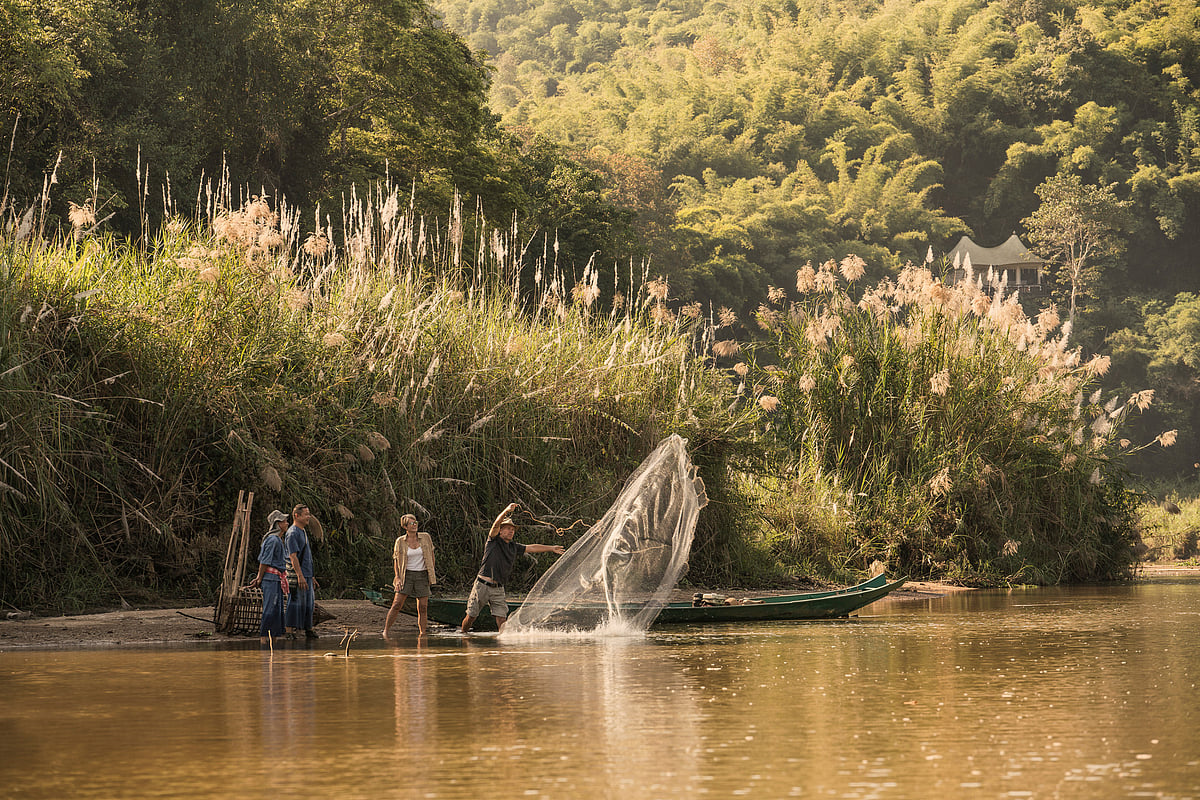
Skillcations are flourishing globally. At Four Seasons Resort Chiang Mai's Chaan Baan cultural hub, guests master Saa paper making from local mulberry bark—a centuries-old technique found only in Northern Thailand—shape clay using ancestral Lanna pottery methods, or craft traditional Thai candles following Princess Dara Rasamee's historic recipes. At Four Seasons Koh Samui, the White Lotus-famed sanctuary, travelers learn Muay Thai in oceanfront rings, unlock Thai massage techniques, or explore rum and tequila tastings that reveal island terroir.
Maheshwari’s advice for aspiring skillcationers is simple: "Keep the learning light and flexible, leaving room for rest and spontaneity. Choose a stay with enough space and privacy so the experience feels natural rather than forced. Travel with people who share the intention of a slower, more mindful holiday. And treat the skill as an experience rather than an outcome—because enjoyment matters far more than mastery."
In transforming vacations from passive escapes into active investments in personal evolution, skillcations represent travel's most meaningful renaissance yet—one where the journey home carries not just memories, but mastery and a reason to feel confident to dive back into the humdrum of life.

