
Are you addicted to packaged juices? Have you been gulping down tetra packs of beverages and colas without any guilt? Are you one of those who has swapped your regular beverages for sugar-free drinks, but noticed no difference?
Do you constantly keep worrying about how much sugar you or your kids can consume? Are you worried about how the sugar you consume is affecting your body?
Dr. Pranav Ghody, Consultant Endocrinologist & Diabetologist, Wockhardt Hospitals, Mumbai speaks to FPJ about what's good sugar, how much sugar is okay for adults, senior citizens and kids on a daily basis, and which is worse: drinking or eating sugar.

White sugar is heavily refined and lacks fiber and nutrients |
What are the different types of sugar?
Sugars mainly fall into three categories: Glucose, fructose, and sucrose. Natural sugars, such as fructose in fruits and honey and lactose in milk, come packaged with nutrients like fiber, vitamins, and minerals, which help the body handle them better.
Processed white sugar (sucrose) is refined and stripped of fiber and nutrients, causing quicker spikes in blood sugar.
Natural sugars can be relatively healthier due to their nutritional context, but they are still sugars and should be consumed in moderation, not freely assumed to be "safe".

Fruit juices are not sugar-free. |
How much sugar is too much for adults, senior citizens, and kids?
According to health recommendations, an average working adult should ideally limit sugar to around 25 gm (approx. 6 tsp) per day. Senior citizens may benefit from staying slightly below this range due to slower metabolism and a higher risk of lifestyle diseases.
For children, the safe limit is much lower, roughly between 12 to 25 gm depending on age. Regularly exceeding these amounts can lead to metabolic strain, weight gain, insulin resistance, and a higher long-term risk of diabetes.

Drinking sugar is significantly worse than eating it. |
How good is fructose from fruits and honey, and how many fruits should one consume daily?
Fructose from whole fruits is generally healthier because fruits contain fiber, antioxidants, and micronutrients that slow down sugar absorption and provide additional health benefits.
Honey also contains minerals and antioxidants, but remains a form of sugar. Ideally, 2 to 3 servings of whole fruits per day are sufficient for most individuals, with whole fruit preferred over juices or concentrates to avoid unnecessary sugar load.
What happens to the body when excess fructose is consumed?
When fructose is consumed in excess — especially through juices, syrups, sweets, or processed foods — the liver becomes overloaded and begins converting the extra fructose into fat. This can contribute to fatty liver disease, elevated triglycerides, insulin resistance, and increased appetite since fructose does not trigger fullness signals effectively. Over time, this metabolic imbalance raises the risk of obesity, diabetes, and cardiovascular complications.
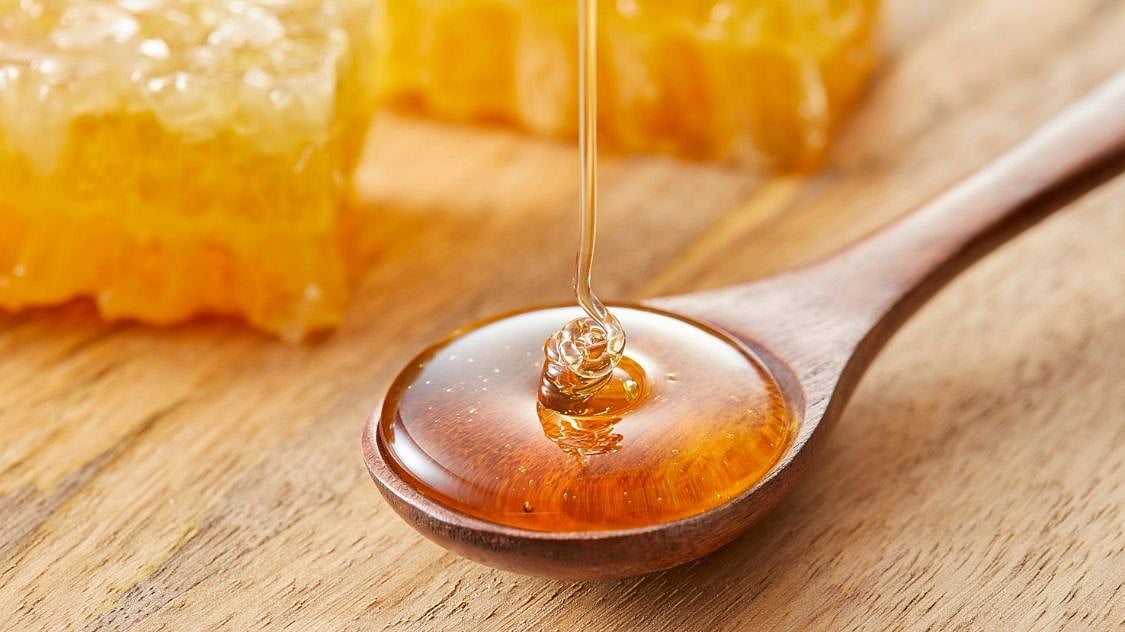
Choose honey over refined sugar. |
Which is worse: drinking sugar or eating sugar, and why?
Drinking sugar is significantly worse than eating it. Liquids containing sugar— like juices, colas, sweetened tea or coffee — are absorbed rapidly because they contain no fiber to slow digestion. This causes quick blood sugar spikes, higher insulin release, faster fat storage, and hunger soon after. In contrast, sugar in solid foods, especially those containing fiber or protein, is processed more gradually by the body, making the impact less severe.
Are fruit juices actually sugar-free?
Fruit juices are not sugar-free. Even 100% natural fruit juice contains concentrated fructose that lacks the fiber found in whole fruits. Packaged juices often include added sugars, sweeteners, or concentrates, making them comparable to soft drinks in sugar content. As a result, a single glass of juice can deliver more sugar than eating multiple whole fruits, causing sharper blood glucose spikes.
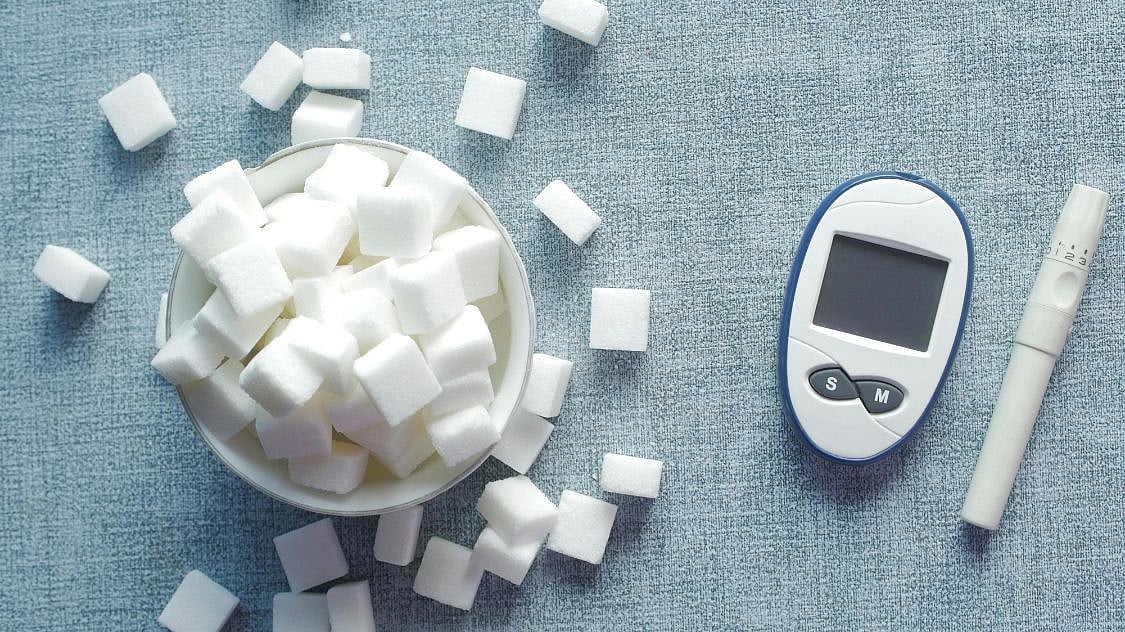
Consumption of too much sugar over time can lead to insulin resistance. |
How does consuming too much sugar affect the body?
Excess sugar affects the body in multiple ways, beginning with weight gain, belly fat accumulation, and increased stress on the pancreas due to constant insulin production. Over time, this can lead to insulin resistance, Type 2 diabetes, and a higher risk of heart disease.
Sugar also influences skin aging, energy crashes, mood swings, and dental issues. The long-term impact is a gradual decline in metabolic health and organ function.
Is honey a good alternative to sugar?
Honey can be a better alternative to refined sugar because it contains antioxidants and may have a slightly lower impact on blood glucose.
However, it is still a sugar source and behaves similarly in the body when consumed in excess. While it may be a more natural option, it should be used sparingly, especially by individuals who are diabetic, pre-diabetic, or managing weight-related conditions.

