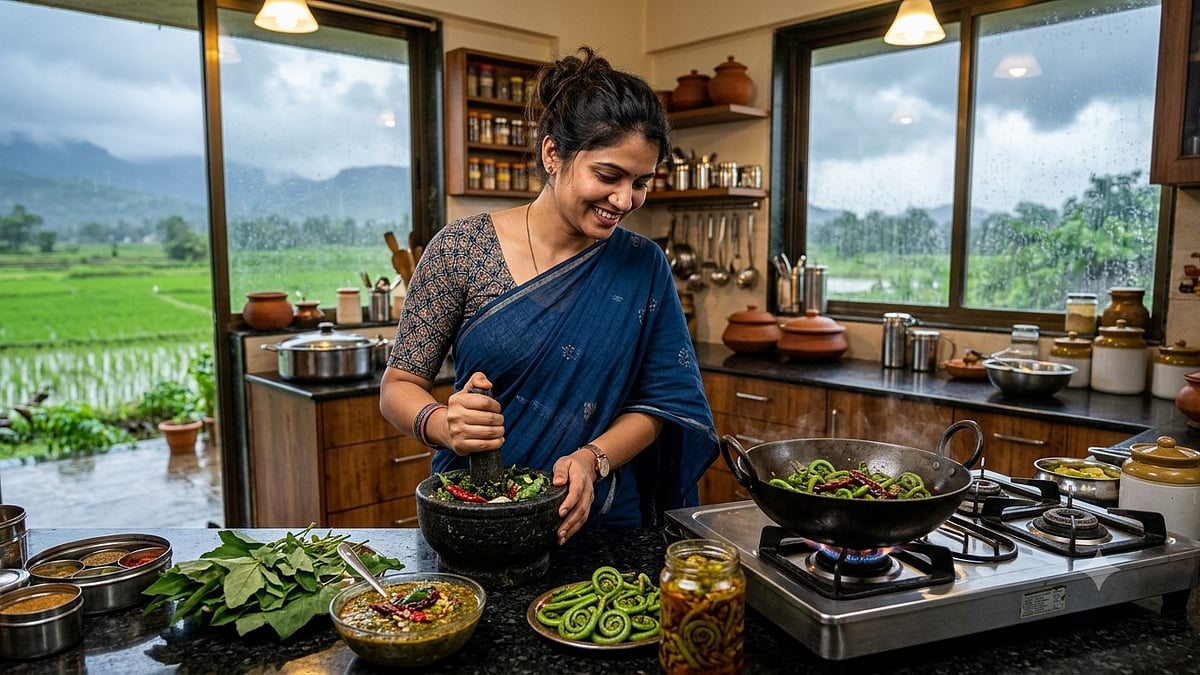
Monsoon in India is not just a season, it is a flavour. When clouds break over paddy fields and ghats, kitchens turn to ingredients only the rains summon – wild Himalayan ferns, sour gongura from Telugu backyards, rain-flushed colocasia and turmeric leaves in the Konkan, and tender bamboo shoots in Assam. These are not trends, but recipes born of necessity, memory and hyper-local wisdom – warming, digestive, economical and deeply comforting. Six chefs decode the monsoon staples that define their regions.
Gongura Pachadi (Andhra Pradesh/Telangana)
A quintessential Telugu comfort, Gongura Pachadi is a coarse, fiery chutney eaten with hot rice and ghee, celebrating local produce across both Telugu states. While leafy greens are traditionally avoided in heavy rains, gongura (red sorrel) is the exception, deeply woven into Telugu identity. In rural Telangana, a rainy day is incomplete without fresh backyard gongura ground on a stone mortar, making this iron-rich, intensely sour chutney mandatory at family reunions and harvest celebrations. Chef N Gopi notes: “Traditionally relied upon during monsoon for its sharpness, this rustic chutney balances the tartness of the leaves with roasted Guntur chilies and spices, finished with a fragrant tempering of garlic and sesame oil.”
Lingri and Lingura Pickle (Himachal Pradesh)
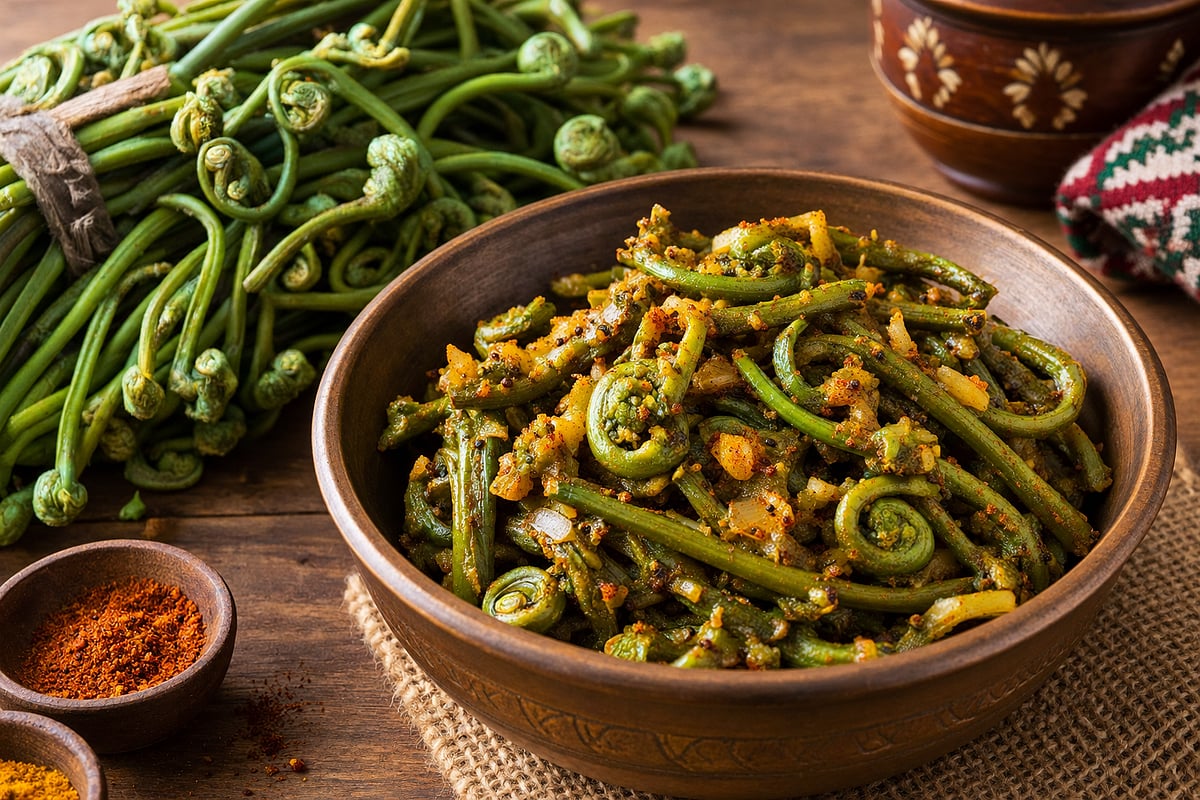
Lingri, the tender fiddlehead fern, is one of Himachal’s fleeting treasures, gathered young and cooked or preserved as Lingura pickle. Found only for a few weeks after rains begin, these tightly coiled ferns are foraged from misty forest floors and brought to local markets in small bunches. Monsoon is when their texture is most tender and earthy flavour at its peak. “Lingri has a delicate, earthy character with a pleasant bite. It is prepared with minimal intervention, allowing its natural flavour to shine. In Lingura, mustard seed and fenugreek bring warmth, while mustard oil and red chilli add gentle pungency. The result is balanced — earthy, tangy, mildly spicy and aromatic,” says Chef Karan Mehta, Le Meridien, New Delhi. It pairs beautifully with dal-chawal, cutting through richness.
Khar and Bamboo Shoot Pickle (Assam)
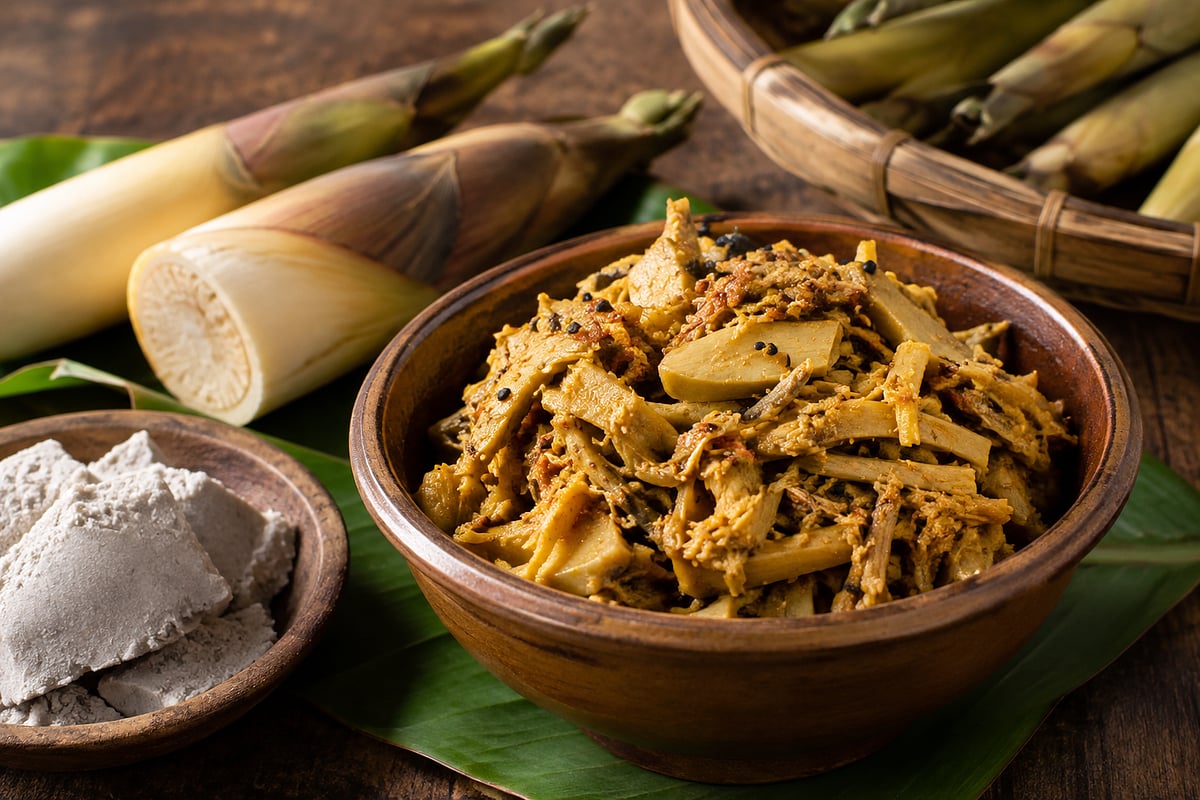
Northeast India’s cuisine is anchored in indigenous ingredients, preservation, and unique techniques over commercial spices. Khar and bamboo shoot pickle showcase this connection during the heavy June-September monsoon, when young bamboo shoots sprout aggressively. Khar — made from ashes of sun-dried banana peels — is inherently alkaline and served at the start of a meal as a digestive stimulant, prepping the gut when monsoon slows digestion. Young bamboo is sliced and fermented into a tangy, crunchy pickle that lasts through wet months. Chef Mukesh Dhoundiyal, Executive Chef at TAT, Mumbai, shares: “The use of indigenous ingredients is what makes Northeast cuisine fascinating. Khar and bamboo shoot pickle have distinctive flavours created through alkaline cooking and fermentation.”
Nendran Banana Chips and Pathiri (Kerala)
Nendran Banana Chips (Kaya Upperi) and Pathiri are pillars of Kerala’s identity. Golden chips fried in coconut oil hold a sacred spot on the Onam Sadya leaf, while Pathiri — a silky pancake of roasted rice flour — is a masterpiece of Malabar’s Mappila cuisine. Both are ultimate monsoon comfort: crunchy chips with hot chai, pillowy Pathiri with spiced gravies. Monsoon is when Chengalikodan Nendran from Thrissur, with a GI tag, is at its starchy best. Chef Helly Raichura of Enter Via Laundry, Melbourne, recalls: “When I saw Nendran chips being made first-hand, firm green bananas sliced straight into hot coconut oil, it was a sight to behold. In Melbourne I’ve tried to recreate it with plantains, but they don’t cut it. There is something about Nendran — its starchiness, flavour and texture — that gives distinctive crispness while still tasting of banana.”
Pathrode and Patholi (Karnataka)
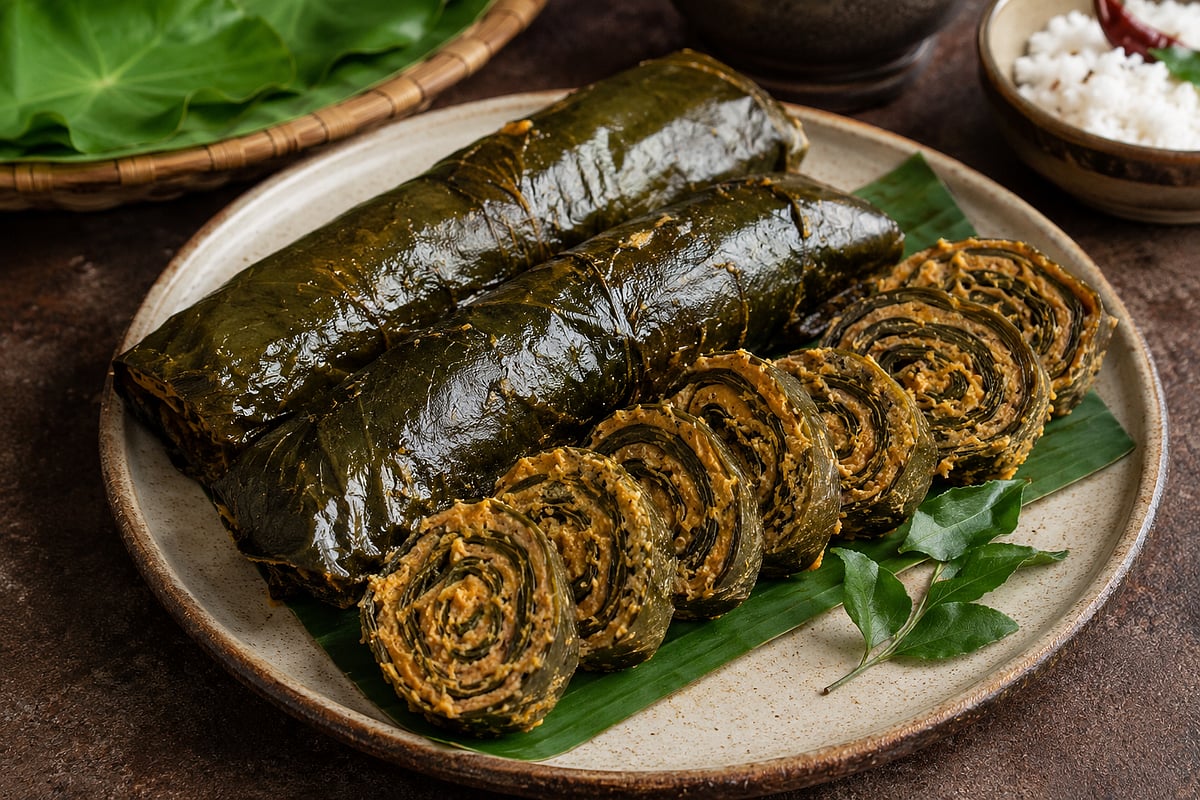
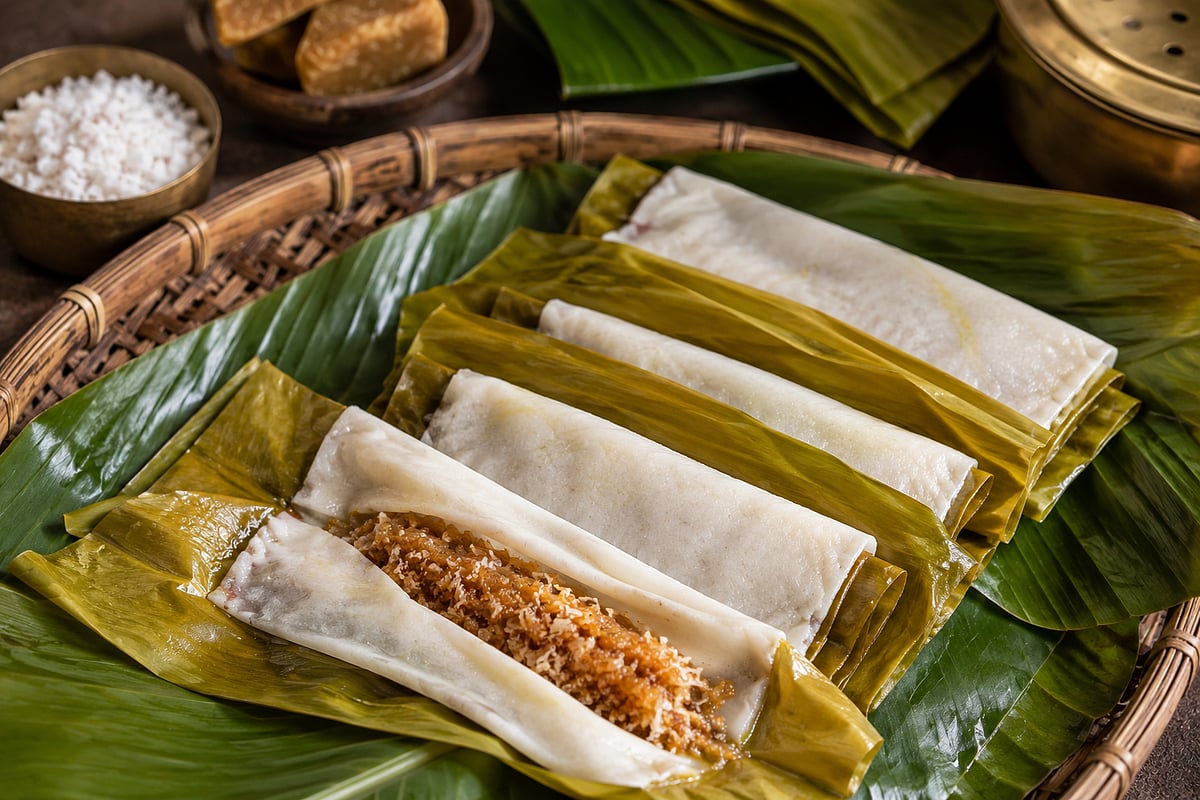
Monsoon in coastal and Malnad Karnataka is celebrated through leaf-wrapped steamed delicacies. Savoury Pathrode from the Konkan belt layers abundant colocasia leaves with a spiced batter of rice, lentils, coconut, tamarind-jaggery into soft rolls, steamed and optionally pan-fried. Its sweet counterpart, Patholi — Manjal Irefje Gatti in Tulu — is rice batter and coconut-jaggery filling steamed inside fresh turmeric leaves, which flush in monsoon. Both depend on hyper-seasonal greens that are tender and aromatic only now; steaming preserves flavour and offers warmth. Chef Avishek Das of Hilton Bangalore Embassy GolfLinks says, “Monsoon cooking in Karnataka is about letting the leaf do the talking. Colocasia and turmeric leaves bring an earthy perfume you can only capture in the rains.”
Pithla Bhakri and Kanda Bhajji (Maharashtra)
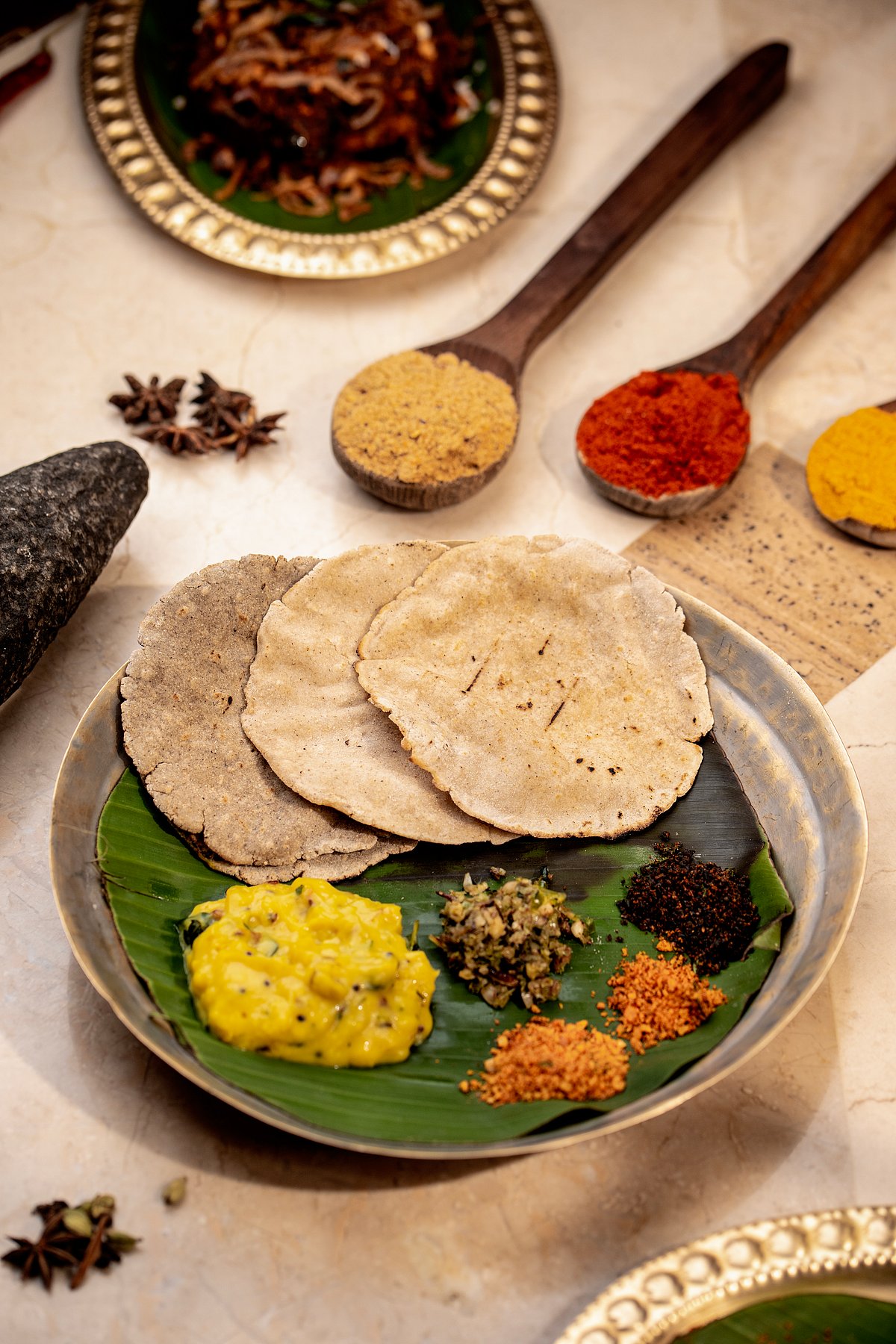
Maharashtra’s monsoon is defined by two humble classics. Kanda Bhajji — thin onions folded in spiced gram flour with ginger, ajwain and chillies, fried golden — is a rainy-day ritual with cutting chai. Pithla Bhakri, rooted in rural kitchens, pairs soft gram flour tempered with mustard, cumin, garlic and turmeric with hand-patted jowar bhakri and fiery thecha. Both rely on pantry staples — besan, jowar, onion — economical and warming when fields are too wet to work. “The magic lies in warmth and simplicity. Kanda Bhajji is the sound of rain on a plate, while Pithla Bhakri is Maharashtra’s soul — humble, nourishing and deeply satisfying on a rainy afternoon,” says Chef Bhushan of Sheraton Grand Pune Bund Garden Hotel.

