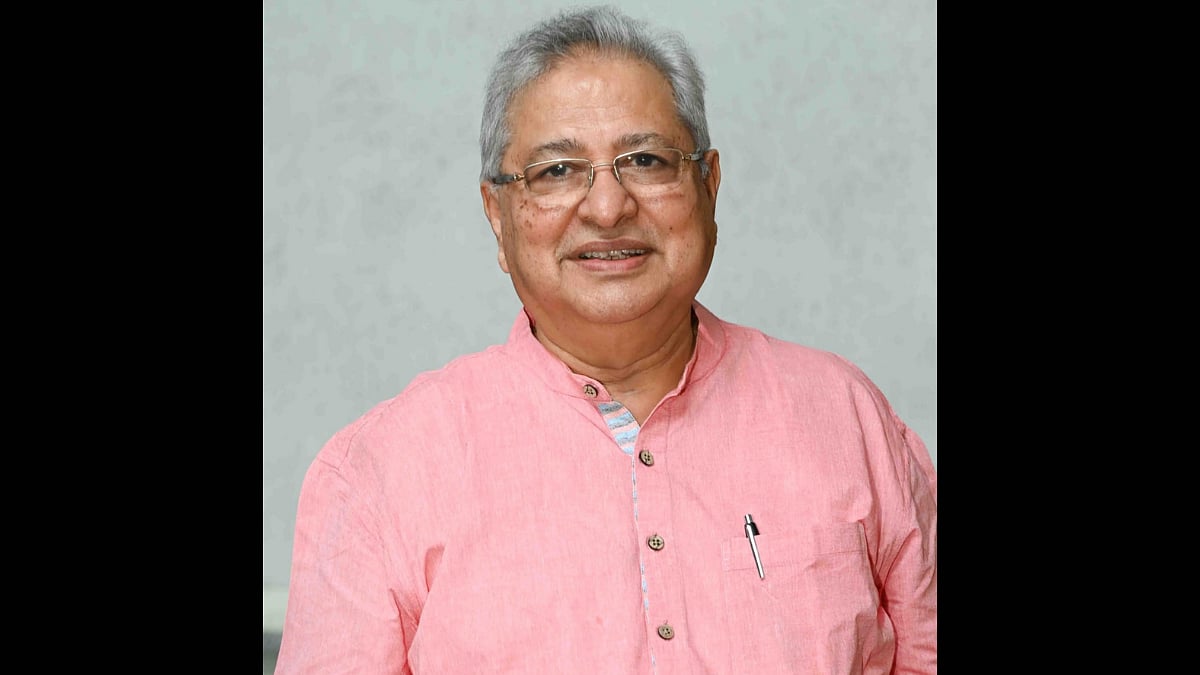
As son of classical vocalist Pt C.R. Vyas, he was surrounded by music since childhood. But Shashi Vyas never aimed to become a musician, even though his brothers Suhas and Satish took up vocals and santoor respectively.
Though Shashi Vyas established himself as a chartered accountant, his passion lay in organising concerts. Along with five other chartered accountants, he formed the event company Pancham Nishad in 1996. As founder and director, he has spearheaded multiple thematic concerts featuring a string of legendary artistes, besides promoting younger talent.
With Pancham Nishad turning 30 this year, Vyas says his main emphasis has been on Indian classical and devotional music, besides a bit of folk music. “We have also managed shows by the Shakti fusion band, featuring John McLaughlin and Zakir Hussain, and organised Sufi-jazz shows of Louiz Banks and Pooja Gaitonde, but the focus has been traditional Indian music,” he says.
Instead of a career as a musician, why did Vyas chose to become a chartered accountant? He replies, “A good part of my career was unplanned. My father felt I had a good voice, but I had seen him struggle in the 1960s. I didn’t want to become a musician for that reason. I didn’t want to become a chartered accountant either, but my friend’s father felt I had enough marks to get into that field. I began with a monthly stipend of Rs 60 with R.H. Doshi & Company in 1976, and later on, joined the CA firm Batliboi Purohit.”
As a teenager, Vyas accompanied his father and brothers to concerts. He says, “One of my early favourites was vocalist Pt Ram Marathe. Slowly, I began admiring Mallikarjun Mansur, Bhimsen Joshi, Kishori Amonkar and Kumar Gandharva. My brother Satish was a disciple of santoor maestro Pt Shivkumar Sharma. In 1979, I organised his show with Zakir Hussain on tabla, followed by my father’s recital. Ticket prices were Rs 10, 7 and 3.”
From 1981 to 1993, Vyas focused on his work as a chartered accountant. He then organised shows under the Sur Sagar banner, while continuing his CA practice. He recalls, “A point came when I realised I couldn’t ride two horses at the same time. So I decided to focus totally on event management, and Pancham Nishad was formed in 1996 by six chartered accountants – me, Samir Mehta, Hemant Bhuta, Sharad Dadbhawala, Rajesh Shah and Rajesh Gandhi. Later, Satish Vyas joined as director and Zakir Hussain was appointed non-executive director.”
The first few years were spent in establishing the company, and Pancham Nishad did many one-off concerts. But over time, Vyas says he felt that there was huge scope for thematic concerts. “I wanted to bring in the concept-for-a-concert culture. The major breakthrough came in 2001, when Tapasya featured Pt Bhimsen Joshi, Pt C.R. Vyas and Pandit Jasraj at the Shanmukhanada Hall, Sion. To get three legends perform one after the other was something unique. The following year, we had a concert with Kishori Amonkar, Girija Devi and Parveen Sultana.”
Other thematic concerts included Aarohi, a festival for young classical musicians, and the Pratahswar series of early morning concerts. Bolava Vitthal, a concert of abhangs, began in Mumbai, but gained popularity in other cities as well. Later, he organised the Udayswar morning concerts and Raagdari GenNXT festival for young musicians in association with Prithvi Theatre, Juhu.
On the changes in the concert scene over the past 30 years, Vyas says, “It’s a long list. To begin with, the costing has gone haywire. Theatre rentals of the big venues have gone up. But there are medium-sized venues which are affordable. Most musicians do not perform more than 90 minutes, and even the patience of the audience has gone down. One-artiste-a-concert has become a rarity. Corporate shows have reduced for classical music, though they happen in other genres, with Bollywood getting preference. A welcome sign is the increase in house baithaks.”
Are sponsors more willing to back classical events? Vyas replies, “As has always been the case, they go for bigger names. Multinational companies give preference to bigger organisers. It is essential for corporates to earmark funds for classical events. Another change is that there are too many players today, and there are many fly-by-night operators doing stray shows. But the sponsors’ kitty hasn’t increased substantially. The same booty which was shared by five or six organisers is now divided between 30 or 40 organisers.”
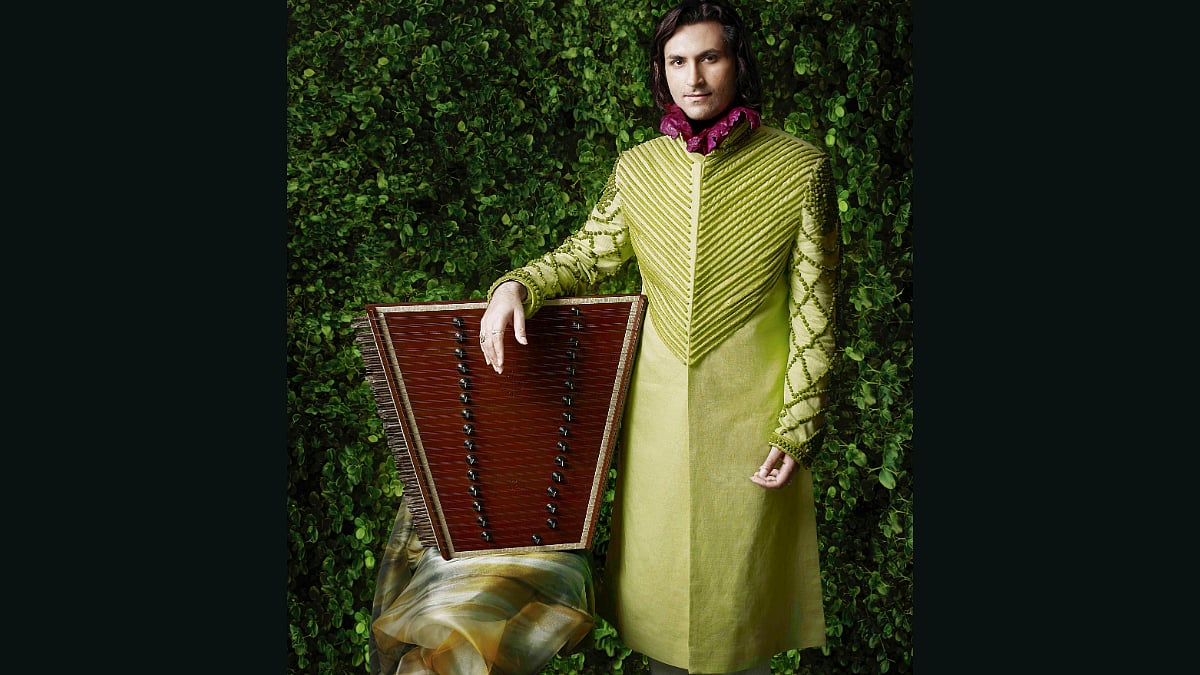
Vyas points out that Pancham Nishad has many plans but executing them depends on ground reality. He elaborates, “We would like to bring in more thematic concerts. We want to repeat the show Tuka Mhane Kahe Kabira. We did the show Heartbeats on Zakir Hussain’s 75th birthday, and we want to take that to other cities. We want to have more shows in smaller towns. But all is subject to sponsorship. We cannot deny the fact that except maybe Marathi dramas, none of the entertainment events have standalone capabilities. With costs rising drastically, it all boils down to sponsorship.”
The challenges are many, but with its passion and drive, Pancham Nishad is looking forward to more innovative contributions in the classical music world.

