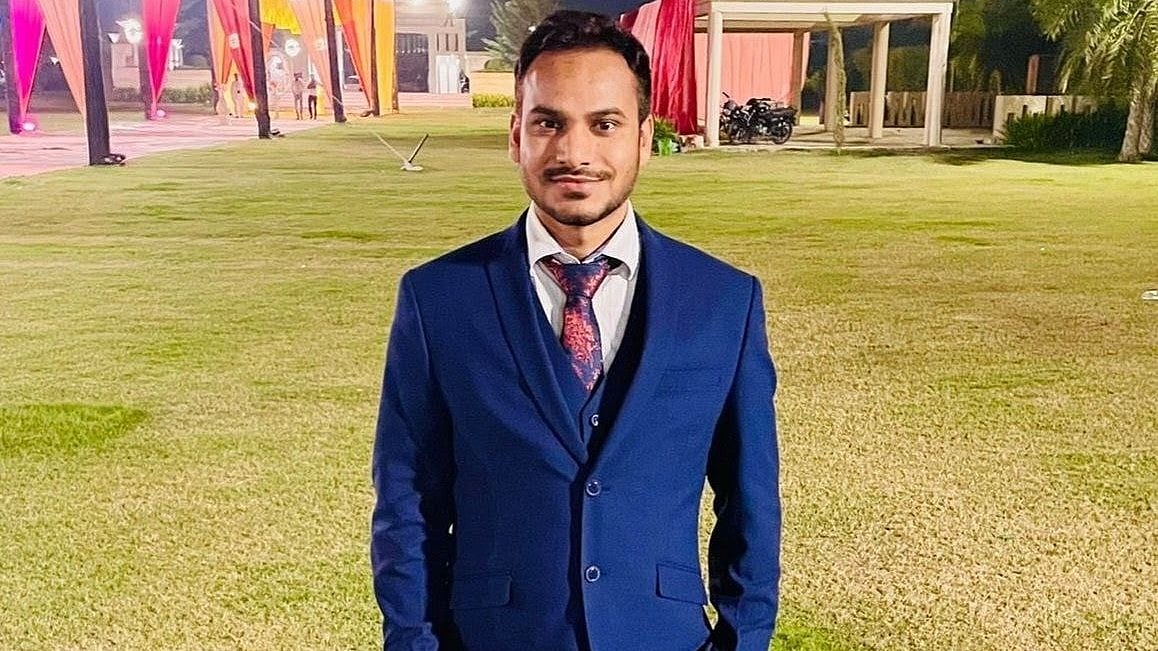
Avinash Kumar developed subtitle technology, reducing memory usage by 80% for India's mobile viewers
Over 70% of India's OTT content is consumed on smartphones, according to 2025 industry data. This mobile-first consumption pattern creates unique engineering challenges – particularly when it comes to subtitle processing. While flagship devices handle video features seamlessly, budget smartphones with 2GB RAM and limited processing power struggle with standard subtitle implementations that load entire caption files into memory.
Avinash Kumar, a software engineer currently at Google with experience at Amazon and Microsoft, encountered this exact problem at Amazon Prime Video. Standard subtitle systems worked fine on premium devices but caused crashes and stuttering on the budget phones representing most of the market. Users watching deal videos would experience app failures whenever subtitles were activated.
Kumar created a solution that changed how subtitles from live streaming could be reused. The patent addressed how to take subtitle files from live streaming, which were huge in size, reduce them significantly, and reuse them in just-after-broadcast video recordings of live events. As a result, video memory requirements dropped 30-80% while keeping an easy job of synchronising the subtitles to their video, due to incoming bytes.
"Creating systems for constrained devices means rethinking the architecture from first principles," Kumar says. "The aim is not to limit accessibility based on hardware specs."
An adaptive buffer strategy can adjust resource allocation dynamically based on hardware specs—how much processing power is available will determine how much resource allocation—so that it keeps captions lined up while using limited compute power for millions of users on entry-level smart phones.
Prime Video can serve users across various economic segments and requires compatibility with any and all hardware specs. In addition, if ever implemented, Kumar's solution would allow the experience of subtitles regardless of hardware specs, which would allow prolonged use and life of older technology around the world.
While at Microsoft, Kumar improved Office 365 observability infrastructure so that time to diagnose issues dropped from days to minutes with monitoring systems that surfaced meaningful signals from large volumes of data. He is now at Google, leading Terraform client library efforts, accelerating the support of Google Cloud Platform resources. Automation he developed decreased deployment processes from weeks to completion, benefiting thousands of enterprise customers by reducing configuration errors.
At Amazon, Kumar faced scale problems of a different magnitude. He re-architected shipment generation systems, processing high volumes of shipment transactions and eliminating bottlenecks that threatened customer fulfilment promises. The data flow architecture was rethought to avoid losing data integrity under this extreme load. Kumar's work on Prime Video's live streaming backend yielded a patent for innovations in processing that enhanced millions of viewer experiences.
In addition to providing individual technical contributions, Kumar has a regular habit of providing internal presentations and demos that focus on complex problems that teams have previously solved. These touchpoints share particular successful approaches to detail and address pitfalls common within the engineering community, allowing other engineers to benefit from these proven approaches without repeating the same implementation mistakes. Providing knowledge-sharing venues to teams and organisations is a multiplier that extends the effects of excellent work further and wider to other engineers in their organisations.
Kumar's academic background includes a Bachelor of Engineering in Information Technology from BIT Mesra, India. Kumar is a senior member of IEEE and also a member of AITEX. In October 2025, Kumar served as a jury member for the CASES&FACES award, evaluating and selecting participants in the technology competition. His expertise in software engineering and infrastructure design positioned him to assess technical innovation and implementation quality across submitted projects. Early successes competing via competitive different competitive programming engagements include finishing third prize in Google's Online Marketing Challenge Social Impact Award and placing in the top 500 in the Facebook Hacker Cup 2013, both of which are global competitions and had thousands of individuals participate.
Kumar supports educational initiatives in his home country of India focused on children's learning pathways and professional development opportunities, and this illustrates a commitment beyond the corporate profession. Future plans focus on developing a product collaboratively with individuals in the community while using an engineering vehicle to solve practical problems and serve the larger community. Engineering can advance business outcomes and produce substantial change by wrapping your technical skills with social impact.
Processing subtitled video for low memory devices is an excellent example of thoughtful engineering that allows access to millions. Digital infrastructure that anticipates real-world problem-solving rather than ideal conditions, is the essence of inclusive tech. Kumar has been consistent in his work between CouponDunia, Amazon, Microsoft and Google: identify the constraint, re-think the architecture of a system, and set about designing systems for all users, not just users with the latest device.
India's OTT video market is projected to exceed $4.49 billion by 2025, with mobile devices making up the overwhelming majority of viewership. Engineers that solve for constraint rather than abundance enable this progress, and ultimately facilitate the access to video when they design and build a video consumption experience for the entire spectrum of devices that are available across different markets.

