Resorts across India are rethinking what a memorable stay should include. For years, the core promise of a resort was built around comfortable rooms, good food, views, lawns, pools and event spaces. Those features still matter, but they are no longer enough to create differentiation on their own. Guests now expect activities that help them spend time together, participate actively and return with a story from the property.
This is why adventure activities are becoming an important part of resort planning. A zipline, rope course, climbing wall, sky cycle, obstacle course, kids' net play zone, pump track or multi-activity tower can turn an ordinary open area into a lively experience zone. Instead of guests leaving the property to find entertainment, the resort can give them reasons to stay, explore and spend more time on-site.
The strongest advantage is engagement. Families often look for safe activities that keep children and teenagers occupied. Corporate groups need structured team-building formats that encourage cooperation. Schools and colleges prefer outdoor experiences that feel recreational yet organised. Wedding groups and weekend travellers want entertainment that can be enjoyed between meals, functions or leisure time. Adventure zones can serve all these audiences without changing the core identity of the resort.
There is also a clear revenue angle. Resorts can sell paid activities to in-house guests, offer day-out packages to local visitors, create school and corporate programmes, add adventure experiences to birthday events and include activity bundles in weekend or holiday packages. This creates income beyond rooms, food and banquet bookings. A well-designed activity area can improve occupancy appeal while also increasing the value of each guest visit.
Another benefit is marketing. Adventure activities create visual moments that guests naturally want to capture. A photo on a rope bridge, a video of a zipline ride or a group shot after an obstacle challenge can travel much further than a standard room image. For resorts competing in a crowded market, these shareable moments help build recall and make the property easier to position as an experience-led destination.
Yet the success of a resort adventure zone depends on much more than choosing popular activities. Every site has different land conditions, guest demographics, safety requirements, operating capacity and brand positioning. A family resort may need more low-height and child-friendly activities. A luxury eco-retreat may need natural-looking installations that blend into the landscape. A high-energy destination property may need larger adventure elements that support groups and day visitors.
The planning also affects how a resort packages the experience. A compact property may create a one-hour family activity pass. A larger destination may offer half-day adventure programmes, guided group challenges or corporate team-building modules. Resorts near cities can use activity zones to attract day visitors, while remote properties can use them to make overnight stays more attractive. The same infrastructure can support different revenue formats when the operating model is clear.
Adventure zones can also influence how guests move through the property. Viewing decks, shaded waiting areas, refreshment points, briefing spaces and photo locations can turn the activity into a fuller social experience. Parents may watch children participate, groups may gather before a challenge and guests may stay longer after completing the activity. These small design decisions improve comfort and can create additional spending opportunities.
This is also why safety and engineering matter. Adventure infrastructure involves height, movement, load-bearing structures, harnessing systems, supervision points, operating procedures, emergency response planning, routine inspection and maintenance. It should not be approached like ordinary play equipment. A resort that invests in the right design and training can build guest confidence and protect the long-term value of the asset.
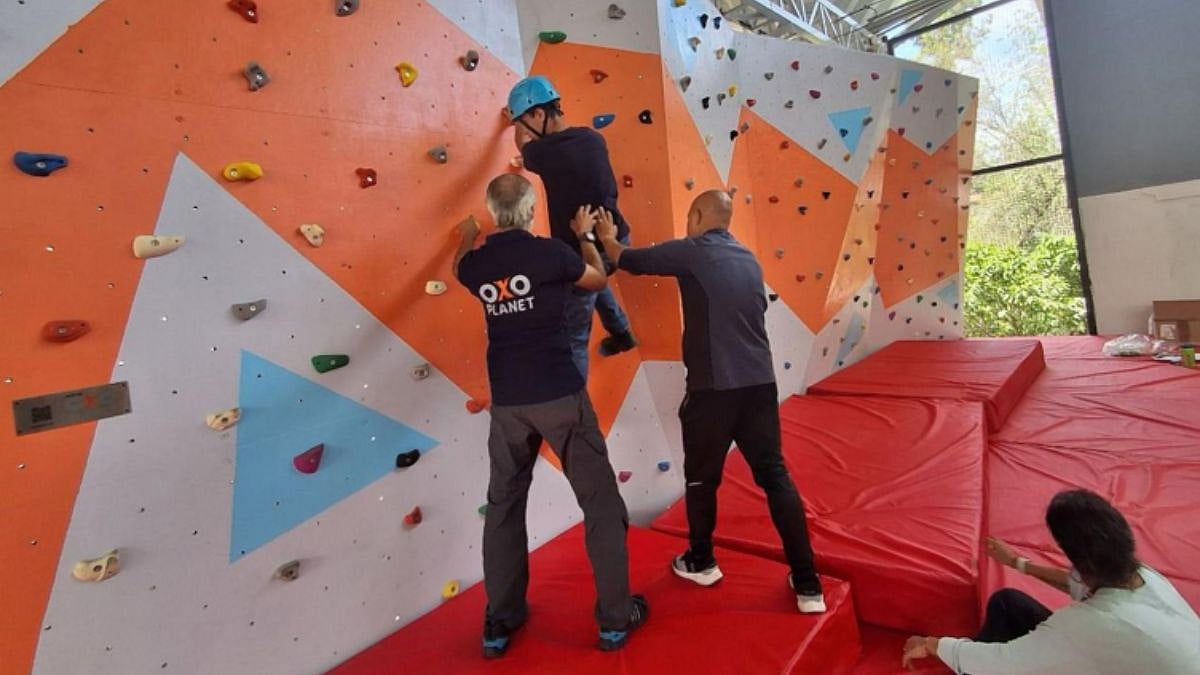
Specialised partners are becoming important in this space. Oxo Planet works with resorts, tourism destinations, educational institutions, real estate developers and recreation projects to plan and execute structured adventure zones. Its work covers concept planning, site assessment, layout design, engineering, manufacturing, installation, safety systems, staff training, inspection support and long-term maintenance. This gives property owners a more organised path from idea to operations.
For resorts, the practical value lies in building experiences that match business goals. Some properties want compact attractions that keep in-house guests engaged. Others want full-day recreation zones that can attract outside visitors. Some need family entertainment, while others need activities suited to corporate offsites and school groups. With the right planning, resort adventure activities can be designed around available space, target audience, ticketing model, staff availability and future expansion.
From a business viewpoint, the advantage is that the same activity zone can work across weekdays, weekends and event seasons. Schools may visit on weekdays, families may participate during holidays, corporate teams may use the space for offsites and wedding groups may treat it as entertainment between functions. This makes the investment more versatile than many traditional amenities.
The shift is part of a broader movement toward experience-led hospitality. Travellers are not only asking where they will sleep; they are asking what they will do, how the property will keep children engaged, whether the location is suitable for groups and whether the stay offers moments worth remembering. Resorts that answer these questions through safe and professionally operated activities can build a stronger connection with guests.
Adventure activities are therefore moving from side attractions to strategic hospitality assets. They can help resorts increase engagement, improve differentiation, attract day visitors, support group bookings and create non-room revenue. The opportunity is significant, but the best results will come to properties that treat adventure development as a planned ecosystem rather than a decorative add-on.

