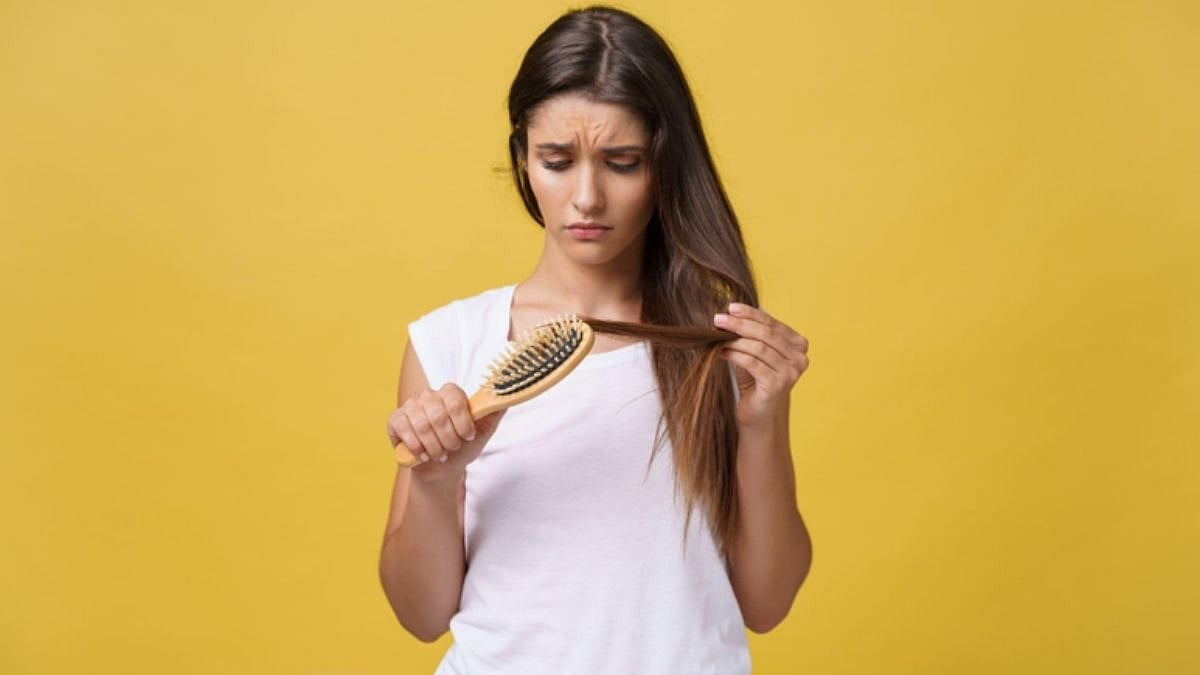
Moving to a new city or traveling for a few months and suddenly noticing more hair in your shower drain — it's a pattern many people experience but rarely connect to anything specific. Most assume stress or diet, but a surprising number of people find that the change happened right around the time they relocated. So the question is worth asking: can a change in water or climate actually cause hair loss?
The short answer is yes, but not always in the way people think. It's rarely the sole cause, but it can absolutely be a trigger — especially if your hair and scalp were already under some stress.
How Water Quality Affects Your Scalp
Tap water varies significantly from city to city. The biggest culprit most people don't think about is hard water — water that has a high concentration of minerals like calcium and magnesium. When you wash your hair with hard water regularly, these minerals can deposit on your scalp and hair shaft, making the hair feel rough and brittle over time.
What this does mechanically is disrupt the outer cuticle layer of your hair. The cuticle is like the protective shingle-layer of each strand. When it gets roughed up, hair becomes more prone to breakage, tangling, and shedding. It can also clog hair follicles slightly, reducing the healthy environment your hair needs to grow.
Chlorine is another issue. Most municipal water is treated with chlorine to make it safe to drink, but that same chlorine can strip your scalp of its natural oils. A dry, irritated scalp can become flaky or inflamed, and chronic scalp inflammation is a real — often underestimated — factor in hair thinning.
Does Climate Change Actually Impact Hair Loss?
Climate affects hair in more ways than just temperature. Humidity, UV exposure, dry air, and even altitude can change how your scalp behaves.
In very dry climates or during cold winters with indoor heating, the air pulls moisture from your scalp. This can lead to dryness, flaking, and a compromised scalp barrier. In very humid climates, some people experience scalp fungal overgrowth, which can trigger inflammatory hair loss.
Seasonal shedding is also a documented phenomenon. Research suggests that hair follicles have their own seasonal rhythm, and many people experience more shedding in autumn or after a major climate shift. This is usually temporary, but if the underlying scalp health is already poor, it can become more prolonged.
Why Some People Are More Affected Than Others
Not everyone who moves to a city with hard water experiences hair loss. This is important to understand. Water and climate are environmental stressors — they act more like accelerators than standalone causes.
People who are already dealing with nutritional deficiencies (especially iron, vitamin D, or zinc), hormonal imbalances, or a genetic predisposition to hair thinning are more likely to notice visible hair loss when they encounter these environmental changes. The body has a threshold, and environmental stress can push someone past it.
This is why two people living in the same apartment, drinking the same water, can have completely different experiences. One might notice nothing, while the other starts shedding noticeably.
What You Can Actually Do About It
If you've moved recently and your hair has been falling more than usual, here are some grounded steps worth considering:
● Install a shower filter to reduce chlorine and hard water mineral buildup
● Use a gentle, sulfate-free shampoo that doesn't strip scalp oils further
● Do a basic blood test to check ferritin, vitamin D, and thyroid levels
● Pay attention to whether your scalp feels dry, oily, itchy, or inflamed — that tells you a lot
● Give it at least two to three months before assuming it's permanent; some shedding after a move is a normal stress response
Treatment approaches like Traya are built on the idea that hair loss rarely has a single cause — and that's worth keeping in mind when you're trying to figure out why this started when it did.
Final Thoughts
Water quality and climate are not usually discussed in the same breath as hair loss, but they genuinely matter — particularly as environmental triggers for people who are already susceptible. If you've ruled out stress and diet changes and still can't explain the timing, these environmental factors deserve a serious look. Understanding why hair falls is always more useful than chasing quick fixes, and that investigation often starts with asking the right questions about what changed in your life, not just what's happening on your scalp.
