An esteemed health care technology and IT specialist on why the quality gap could cost India its MedTech moment, and what needs to be changed
In February 2026, the United States reduced import tariffs on Indian goods from up to 50% to 18%, a move the Association of Indian Medical Device Industry (AiMeD) described as a major competitive shift, according to The Week. For India’s medical device sector, projected by Operon Strategist to grow from $15.2 billion to $50.1 billion by 2030, the decision opens new export opportunities. However, AiMeD warns that access to the U.S. market still depends on meeting strict Food and Drug Administration (FDA) quality standards.
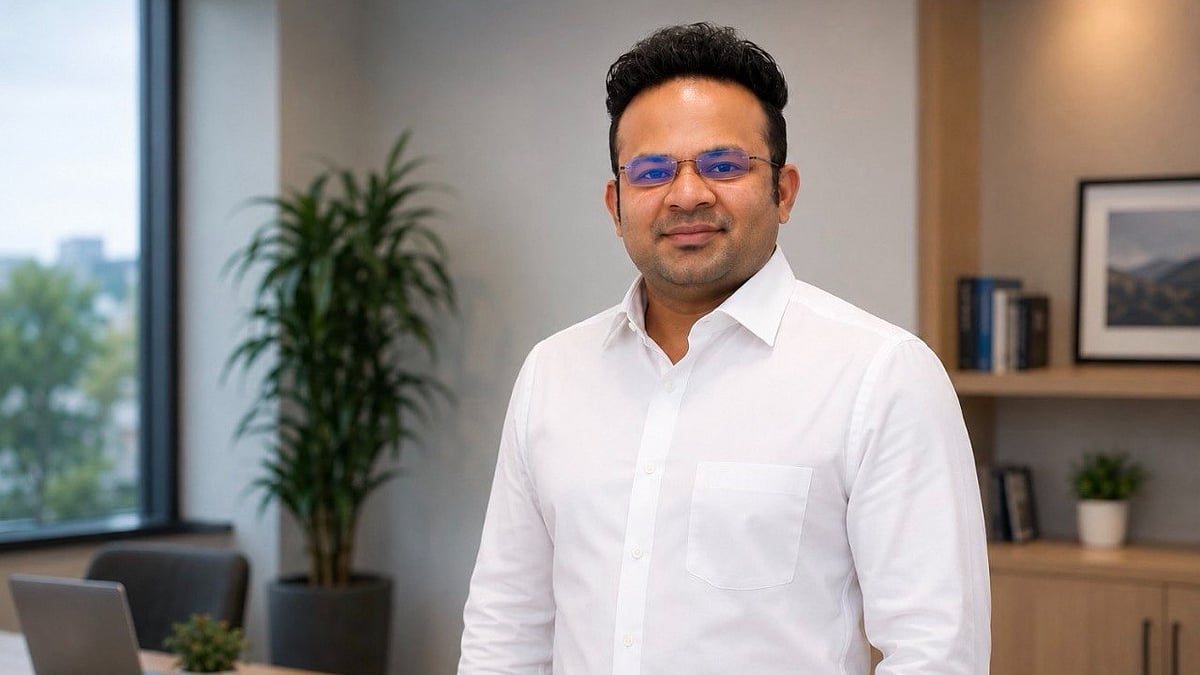
Ensuring that manufacturers meet these requirements is the focus of Sandeep Reddy Koppula’s work. A Senior Quality Engineer at Senseonics Inc., he evaluates global suppliers whose components are used in implantable glucose monitoring systems for people with diabetes. Over the past decade, he has led supplier remediation programs, developed reliability testing frameworks for implantable sensors, and implemented quality systems that reduced component failures and improved long-term device performance. Among the programs he contributed to are the HeartMate 3 Left Ventricular Assist Device (LVAD), an innovative magnetically levitated cardiac support system, and Eversense CGM – an advanced continuous health monitoring system adopted by major medical device organisations and cross-functional industry experts. Recognised among peers, he is also an invited judge at the AITEX Summit: From Insight to Action, an international technology forum. In this interview, Koppula explains why regulatory readiness remains the main barrier for companies entering the U.S. medical device supply chain and what manufacturers must do to meet FDA expectations and become trusted partners for global MedTech companies.
India's medical device exports have grown by nearly 90% over the past six years, and the government has been consistently introducing policies to make India a global manufacturing hub. What does this shift signal about where India stands today as a supplier of medical components?
These growth numbers are genuinely impressive and reflect a real shift. Indian manufacturers have made serious investments in capabilities and infrastructure. What the export growth signals is that India has moved past the question of whether it can manufacture at scale. The question now is whether it can be manufactured consistently to the standard that regulated markets require, under scrutiny. That is a different and harder challenge. A supplier can pass an initial audit and still struggle to sustain that performance across production runs and changing product requirements. That sustained consistency is what global MedTech companies are actually evaluating.
When global medical device companies like Senseonics evaluate potential suppliers, what non-negotiable criteria do they look for, and what separates a manufacturer that gets qualified from one that doesn't?
The baseline is that the quality management system, ISO 13485, which sets the international benchmark for quality management in medical device manufacturing, is genuinely operational rather than just documented. That means calibrated equipment, controlled processes, traceable records, and a corrective action system that closes issues and prevents recurrence. But what is often even more telling is how a manufacturer responds when something goes wrong during the assessment. Every supplier has gaps; what matters is whether the team can own the gap and develop a credible plan to close it. Suppliers that get defensive or cannot explain their own processes rarely make it through. Those who do so treat the audit as a technical conversation rather than a compliance exercise.
At Senseonics Inc., you've established supplier qualification frameworks and audit programmes that now guide the qualification of next-generation manufacturing partners across multiple countries. Can you walk us through the assessment process on how you decide whether a supplier's quality system is genuinely ready for manufacturing components used in implantable devices?
For implantable devices, the stakes differ from those in most other product categories; a component failure is a patient safety event, not just a customer complaint. So the qualification process is thorough by design. We assess how a manufacturer manages its processes and equipment, handles change control, and responds to non-conformances. We also look closely at their risk management approach, whether they understand the specific failure modes relevant to their components and have built appropriate controls around them. What I have found is that the most reliable indicator of long-term supplier performance is not whether they pass every element on the first visit, but whether they have a culture of proactive quality, something you see in how their team talks about problems, not just in their documentation.
While supplier qualification is challenging in itself, maintaining supply continuity when problems arise is arguably harder. At Senseonics Inc,, you've led global supplier remediation programmes that prevented manufacturing disruptions for critical implantable device programmes. What does this kind of remediation work actually involve?
Essentially, remediation is structured problem-solving under pressure. When a supplier issue surfaces, a process deviation, a component failure, or a compliance gap is identified during an audit, things need to move quickly, because production programmes do not pause while investigations happen. The work requires identifying the true root cause quickly, which is impossible without close collaboration between our team and the supplier's engineering and quality staff. We then implement a corrective action plan with clear ownership, timelines, and verification checkpoints. This is also the framework I apply when evaluating remediation programmes led by other professionals in the field, assessing whether the root cause has been genuinely identified and whether the corrective questions are robust enough to prevent recurrence. The difficult part is operating on two timescales simultaneously, stabilising the immediate situation while implementing changes to prevent recurrence. Cutting corners on the root cause investigation to move faster almost always creates a bigger problem downstream.
At Senseonics Inc., you have also led the implementation of data and performance tracking systems that made supplier quality processes faster, reduced delays and prevented defective components from reaching the production line. What is it about consolidated data and performance tracking that changes the dynamic between a manufacturer and its suppliers?
The biggest change is that it shifts conversations from reactive to proactive. When performance data is scattered across emails and individual reports, a problem may not become visible until it already affects production. Consolidated tracking means you can notice trends forming, issues clustering around the same process area, acceptance rates dipping, corrective action response times slowing down, and act before those trends become failures. Beyond that, it changes the supplier relationship itself. When both sides are looking at the same data, accountability becomes harder to avoid — but it also becomes less adversarial. The supplier can see what we see, which tends to produce better conversations and faster resolution than when issues only surface during formal reviews.
Managing supplier quality across the United States, Europe, and Asia means navigating different technical cultures, regulatory environments, and communication norms. What do Indian manufacturers most commonly misunderstand about how global MedTech companies expect quality conversations to happen?
The most common gap I have seen is around how problems are communicated. Many manufacturing cultures tend to prefer resolving issues internally before raising them with the customer, which is understandable. Still, in a regulated medical device supply chain, it can be deeply problematic. FDA and EU MDR frameworks require timely escalation and documentation of non-conformances. When a supplier waits until they have a solution before raising the issue, the window for proper root cause investigation may already be closed, and the regulatory documentation is compromised. What global MedTech companies are looking for is transparency, not perfection. A supplier who surfaces an issue early and says, "here is what we know so far", is far more trusted long-term than one who presents a tidy resolution weeks later without the full picture.
You have contributed to some of the most significant implantable device programmes in the industry — including the HeartMate 3 Left Ventricular Assist Device and the Eversense CGM platform. Looking back, what do these programmes represent in terms of what quality engineering can achieve?
These two programmes become vastly different therapeutic areas, but they share the same underlying challenge – taking a device that has never existed in that form before and building the quality and regulatory infrastructure that makes it safe to implant into the human body. With HeartMate 3, we were working on a Class III device for patients with advanced heart failure. My role centered on design control, risk management and verification and validation work that supported FDA Premarket Approval. With Eversense, the challenge shifted to long-term reliability — ensuring a glucose monitoring system could function accurately inside the body for up to a year. What both programmes taught me is that quality engineering at this level is not about checking boxes. It is about building enough evidence, rigour, and traceability that regulators, clinicians, and ultimately patients can trust the device with their lives.
Given everything you've seen in managing global supplier networks, what would you say are the most critical steps Indian medical device manufacturers need to take to become trusted long-term partners for companies operating under FDA and EU MDR requirements?
There are three things that make the biggest difference. First, companies need to treat quality as an operating discipline rather than a compliance function. This means investing in validation capabilities and building teams that understand regulatory requirements at a technical level, not just procedurally. Second, they need to establish systems in which quality data is visible, current, and acted on. ISO 13485 certification, which certifies that a manufacturer's quality system meets international standards for medical device production, is necessary, but not sufficient; the manufacturers who earn long-term partnerships are the ones who can demonstrate that their quality system is alive and improving, not just certified and filed away. Third, it is crucial to build a culture of transparent communication, where problems are escalated early, documented properly, and resolved through collaboration among all participating parties.
If Indian manufacturers close that gap at scale, the implications go well beyond export revenue. With its engineering talent, manufacturing infrastructure, and now more favourable trade conditions, India has a genuine opportunity to become a significant part of the global medical device supply chain. That ultimately means a more reliable supply for companies developing devices for patients with chronic conditions, and more people worldwide with access to technologies that improve and extend their lives. Quality engineering is what makes that possible; it is the bridge between manufacturing ambition and the trust that puts devices into clinical use.

