The video streaming industry has undergone transformative advancements, reshaping how people experience media. Whether it’s for entertainment or real-time events, streaming platforms have grown into an indispensable part of modern life. However, delivering high-quality visuals across various devices, network conditions, and content types poses significant challenges. Maintaining consistent image fidelity while ensuring low latency remains a crucial focus for engineers working in this field.
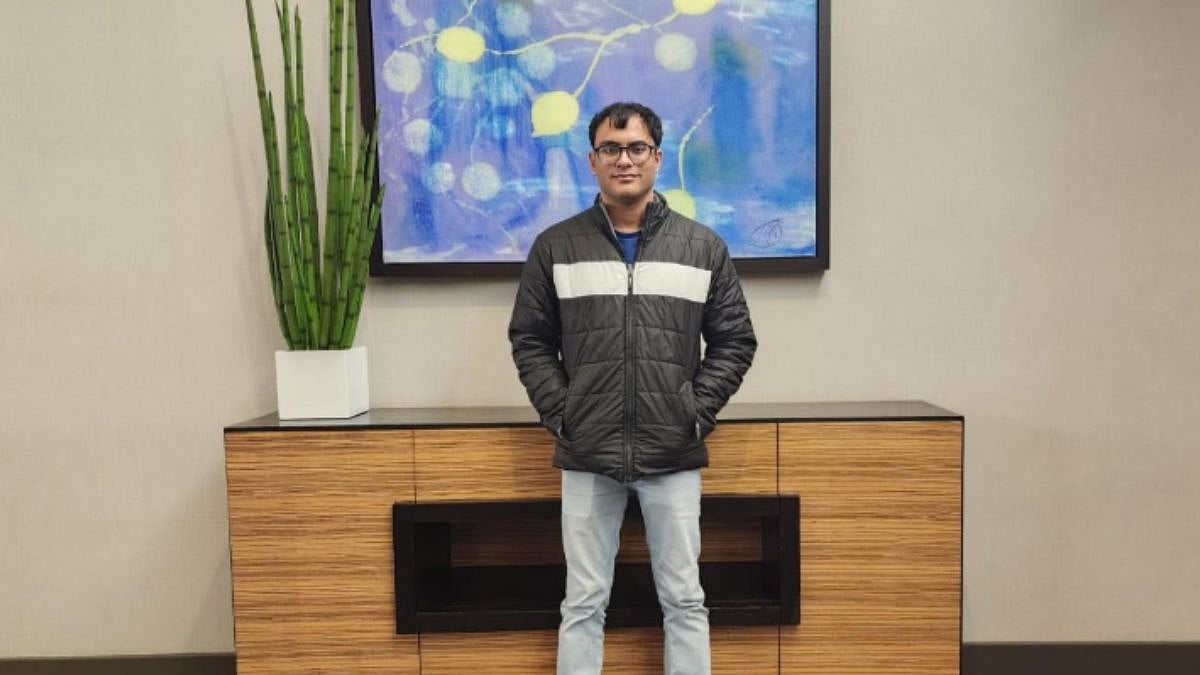
Amid these developments, professionals like Akshat Bhutiani are playing a pivotal role in driving innovation. With years of experience in video processing and artificial intelligence, he has worked extensively on improving video quality in constrained environments. One of his key accomplishments involves designing video encoding algorithms that optimize visual clarity for low-bandwidth streaming without sacrificing brightness. “In regions with fluctuating internet connectivity, maintaining both clarity and consistency becomes a critical goal,” he explains. His contributions have helped streaming services offer better viewing experiences in bandwidth-restricted settings.
Beyond encoding, Akshat has also made significant strides in color calibration technology. He has developed advanced tools that ensure consistent color fidelity across different types of displays, from mobile screens to large TV panels. By reducing perceptual discrepancies between source material and output displays, his work has enhanced the visual authenticity of streamed content. “Achieving studio-level precision for end users is complex but essential, particularly when dealing with high-resolution content,” he reflects, highlighting the meticulous nature of his approach.
One of his most ambitious projects involved creating a visual noise reduction pipeline for streaming platforms. Low-bandwidth scenarios often introduce visual artifacts, including blocking, banding, and random noise, which can severely degrade image quality. Akshat tackled these issues by designing deep-learning models capable of identifying and removing such artifacts. His modular framework not only improved the overall visual experience but also ensured adaptability across different hardware environments. The results were quantifiable: a 25% reduction in compression artifacts, a 2.1 dB improvement in PSNR, and an average increase of 0.08 in SSIM scores.
Handling diverse content types posed another significant challenge during his career. Streaming platforms host a wide variety of material—fast-paced sports, slow-moving documentaries, and high-contrast scenes—all of which require distinct processing approaches. Akshat addressed this complexity by developing adaptive filtering techniques and scene-specific models that could dynamically adjust parameters based on the type of content being streamed. He recalls that one of the toughest aspects was ensuring consistent performance in challenging scenarios like low-light or high-motion sequences. “You can’t rely on static models when the content itself is so varied. The system has to be smart enough to adapt,” he notes, emphasizing the dynamic nature of his work.
Real-time processing demands further complicated the task. Noise reduction algorithms often introduce latency, which can disrupt live broadcasts or interactive experiences. Akshat mitigated this issue by employing parallel processing methods and lightweight neural networks optimized for GPU acceleration. This approach enabled real-time noise reduction with minimal delay, ensuring a smoother streaming experience. He believes that balancing speed and image quality is an ongoing challenge for the industry. “Low latency is essential, especially as we move toward interactive media and live events where every millisecond counts,” he adds.
Apart from his technical contributions, Akshat has also been recognized for his expertise by prestigious journals. He has been invited to review papers for the International Journal of Automation, Artificial Intelligence, and Machine Learning and the Journal of Mathematical & Computer Applications. This engagement with academic research reflects his deep understanding of video processing technologies and his commitment to staying ahead of emerging trends.
Looking to the future, Akshat envisions even greater integration of AI in video processing. He suggests that combining AI with traditional techniques and hardware acceleration could unlock new possibilities in streaming. “AI-driven models can provide dynamic, real-time adjustments, but hardware efficiency is equally important for meeting speed requirements,” he explains, advocating for a balanced approach. He also points out that the rise of high-resolution formats such as 4K, 8K, and VR will increase the demand for real-time, low-latency enhancements. As interactive media continues to grow, he predicts that the industry’s focus will shift toward optimizing visual quality in these advanced formats.
Akshat’s experience and insights reflect the critical role of technical innovation in shaping the future of video streaming. By blending AI-driven models with hardware solutions, he has helped push the boundaries of what streaming platforms can offer. His work not only addresses current challenges but also lays the groundwork for future advancements in visual processing, ensuring that audiences enjoy immersive and seamless streaming experiences across all platforms.
