A recent video featuring a quick commerce delivery partner sharing his experience of earning just ₹763 after completing 28 deliveries over nearly 15 hours triggered widespread discussion on the working conditions of gig workers in India.
Rajya Sabha MP Raghav Chadha, who had raised concerns during the Winter Session of Parliament about low pay, excessive working hours, and the absence of social security for gig and platform workers, took note of the delivery partner’s ordeal. He publicly expressed support and reiterated the need for urgent reforms to protect gig workers’ rights and dignity.
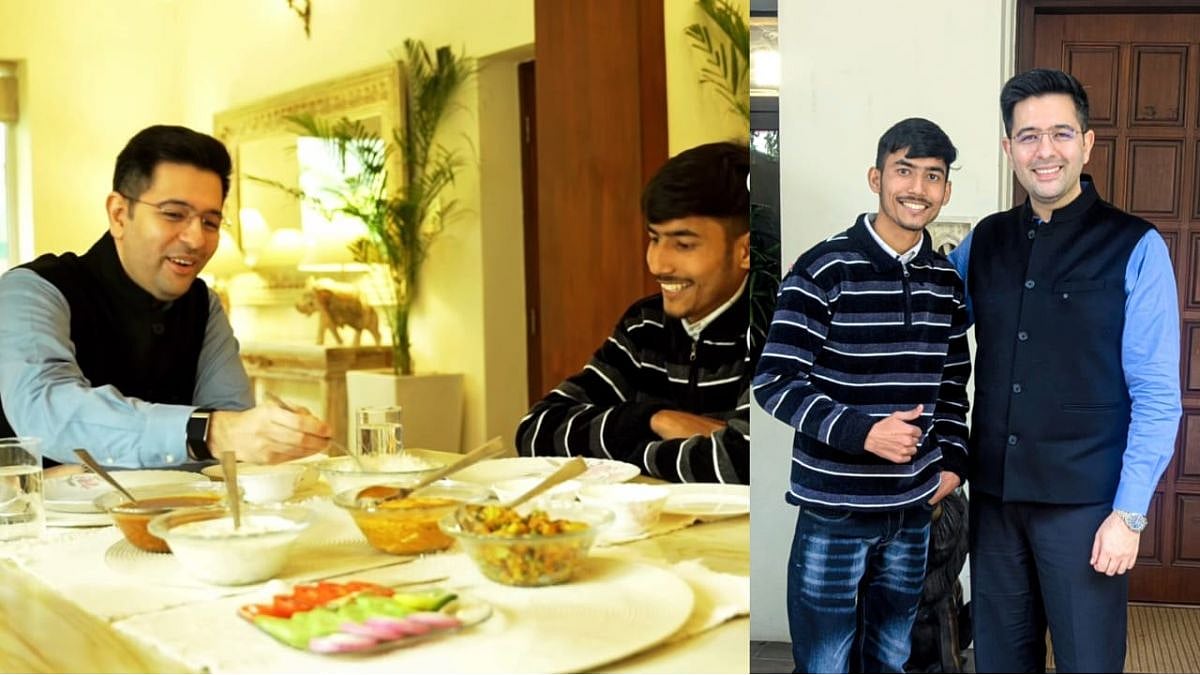
Following the parliamentary session, Mr. Chadha invited the delivery partner to his residence for lunch. The interaction was informal and warm, allowing for an open conversation. Over lunch, the delivery partner shared his lived experiences—long hours, uncertain earnings, algorithm-driven targets, and the lack of basic safeguards or grievance redressal mechanisms.
The delivery partner appeared happy to be heard and appreciated the gesture, describing the interaction as reassuring and respectful. Mr. Chadha, in turn, reaffirmed his commitment to raising these issues at the policy level, stressing that India’s gig economy cannot thrive at the cost of workers’ well-being.
The interaction highlighted a simple but powerful message: meaningful policy change begins by listening to those most affected.
