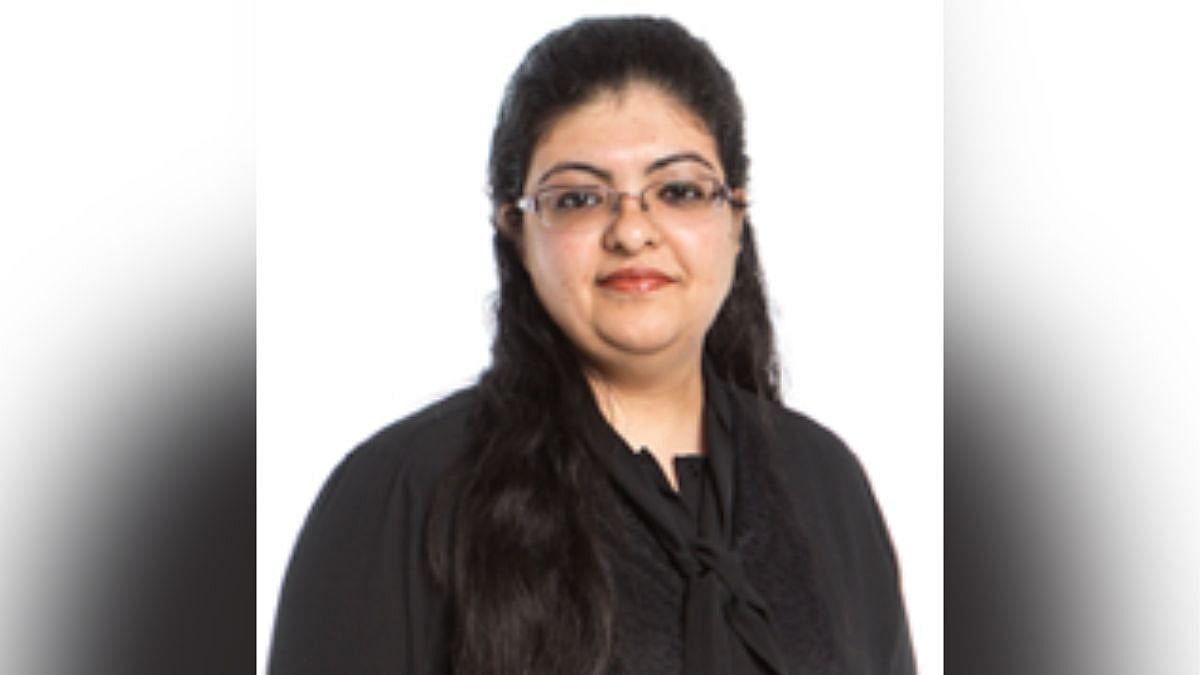
In an era where healthcare systems worldwide are grappling with rising chronic disease burdens, workforce constraints, and the need for scalable patient-centric solutions, leaders who can integrate clinical insight with operational strategy and emerging technology are increasingly vital. Among this new generation of interdisciplinary healthcare innovators is Ojasvi Razdan, a US-based healthcare strategist, researcher, and sleep-health specialist whose work sits at the convergence of sleep medicine, digital health transformation, and AI-enabled clinical operations.
With vast experience spanning clinical research systems, healthcare analytics, and specialized sleep-medicine delivery, Razdan has built a career defined by translational impact—applying business strategy and data-driven frameworks to improve care delivery and patient engagement in complex clinical environments. Her work reflects a broader shift in global healthcare toward integrated, technology-supported models of diagnosis and treatment, particularly in conditions such as sleep disorders that remain under-recognized despite widespread health and productivity implications.
From Clinical Systems to Sleep-Health Strategy
Razdan’s professional trajectory began in clinical research and healthcare technology environments, where she worked with electronic data-capture platforms and clinical trial systems such as Medidata Rave. These early roles involved translating complex clinical protocols into structured data and analytics frameworks, ensuring regulatory compliance and operational integrity in research settings. Exposure to the intersection of clinical science, data architecture, and healthcare operations laid the foundation for her later focus on patient-centric healthcare delivery models. Over time, her career expanded into healthcare analytics and business-process optimization roles within US healthcare organizations. She contributed to patient-data systems analysis, insurance strategy evaluation, and operational modeling initiatives aimed at improving efficiency and decision-making in clinical and enterprise environments. This progression from technical clinical systems to healthcare strategy would ultimately shape her specialization in sleep medicine—an area where clinical complexity, patient behavior, and healthcare operations intersect uniquely. Today, Razdan serves in a strategic leadership role at a specialized dental sleep-medicine organization in the United States. Her work focuses on optimizing clinical workflows, strengthening interdisciplinary coordination, and scaling patient-centric treatment pathways across obstructive sleep apnea, snoring, and orofacial pain management. By aligning operational design with clinical outcomes and patient experience, she contributes to the growing field of dental sleep medicine and non-invasive sleep-health solutions.
Advancing Sleep Health Through Research and Innovation
Beyond clinical operations, Razdan is also a doctoral researcher examining the global landscape of sleep-apnea diagnosis and treatment, with particular attention to emerging healthcare markets such as India. Her research explores how cultural factors, healthcare infrastructure, and technology adoption influence sleep-health awareness and treatment acceptance—issues increasingly recognized as central to global health systems. A core theme of her work is the potential of decentralized and digitally enabled care models to expand access to sleep-health evaluation and treatment. As healthcare systems worldwide move toward distributed diagnostics and home-based monitoring, her research investigates how AI-supported analytics and market-adapted care pathways can strengthen sleep-health ecosystems while improving patient engagement. Her scholarly contributions include authorship of two books—Exploring the Realm of Sleep Apnea and AI and the Cloud: Unlocking the Power of Big Data in Modern Healthcare—which examine sleep-health ecosystems and the role of artificial intelligence in clinical and healthcare-management contexts. Together, these works reflect her interdisciplinary perspective on healthcare transformation, linking clinical conditions with operational systems and technological innovation.
Translating Insight into Healthcare Design
Razdan’s commitment to bridging research and real-world application is also reflected in her innovation activities. She holds a UK-granted design patent for a sleep-apnea screening device concept intended for decentralized screening environments. The recognition of this design underscores the growing role of clinician-informed product development in healthcare technology and highlights the importance of user-centric design in expanding access to diagnostic pathways. Such translational work illustrates a broader trend in healthcare innovation: the movement from isolated clinical devices toward integrated, workflow-compatible solutions that align with evolving care models. By connecting clinical need, operational feasibility, and design thinking, her work exemplifies how interdisciplinary expertise can shape practical healthcare innovation.
“I see my work as a bridge between scientific insight and everyday healthcare practice — ensuring that innovation reaches patients in ways that are practical, accessible, and impactful,” says Razdan.
Global Academic and Innovation Engagement
In addition to her professional and research roles, Razdan actively contributes to international academic and innovation communities. She has served as a peer reviewer for international conferences, evaluating research across artificial intelligence, digital health, and emerging technologies. Such roles support global research quality and knowledge exchange in rapidly evolving technological domains. Her leadership in scholarly forums includes service as a session chair at international computing and AI conferences and advisory-committee participation in global cybersecurity research initiatives. She has also been invited as a keynote speaker at international engineering and business summits, reflecting recognition of her interdisciplinary expertise spanning healthcare, technology, and strategy.
Integrating Business, Technology, and Patient-Centric Care
Razdan’s career illustrates the increasing convergence of healthcare delivery, technology innovation, and strategic management. Modern healthcare challenges—from chronic disease management to diagnostic access—require solutions that extend beyond clinical intervention alone. They demand integrated approaches encompassing operations, analytics, patient behavior, and system design. Her work across sleep medicine and healthcare analytics reflects this integrative paradigm. By applying data-informed operational frameworks within specialized clinical settings, she contributes to scalable models of care that align clinical effectiveness with organizational sustainability.
A Cross-Border Perspective on Healthcare Transformation
An important dimension of Razdan’s work is its global orientation. Trained in biotechnology in India and professionally active in the United States, she operates across healthcare contexts with differing infrastructure, cultural norms, and market dynamics. This cross-border perspective informs her research and strategic outlook on healthcare innovation and access. Her doctoral work examining sleep-health markets in India reflects the need for locally adapted healthcare strategies in emerging systems. By analyzing diagnostic barriers, treatment adoption patterns, and healthcare-delivery constraints, her research contributes to understanding how global health innovations can be translated effectively across diverse healthcare environments.
Leadership in an Evolving Healthcare Era
As healthcare continues to shift toward digitally enabled, patient-centered, and data-driven models, interdisciplinary leaders who can integrate clinical knowledge with business strategy and technological innovation will play a defining role. Razdan’s career path—from clinical systems and healthcare analytics to sleep-health strategy and research—reflects this emerging leadership archetype. Her contributions across clinical operations, research, innovation, and global academic engagement position her within a broader movement toward integrated healthcare transformation. By bridging sleep medicine, business strategy, and AI-enabled healthcare systems, she represents a new generation of professionals shaping how healthcare is delivered, experienced, and innovated worldwide.

