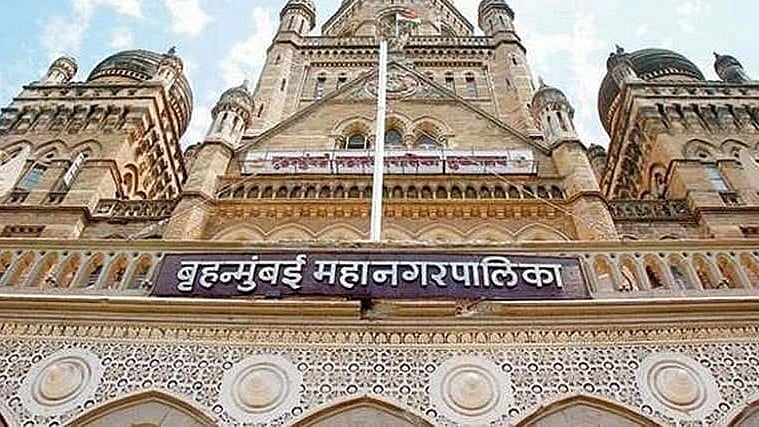
Mumbai: Mumbai is frequently described as India’s financial capital, yet the growing debate over the city’s declining “Marathi percentage” has once again moved to the centre of political discourse.
After nearly 25 years of Shiv Sena dominance in the Brihanmumbai Municipal Corporation under Uddhav Thackeray’s leadership, a fundamental question remains unanswered: did this prolonged control actually strengthen the economic and social position of Marathi residents in Mumbai, or did it preside over a period in which they became increasingly insecure and marginalised within their own city?
For many observers, this issue has moved beyond the boundaries of party politics. Among large sections of Marathi youth, it is rooted in everyday concerns, affordable housing, secure employment and a sense of belonging in a city that has changed at a relentless pace. While the legacy of the Samyukta Maharashtra movement and the sacrifice of 106 martyrs continues to shape emotional narratives, the lived reality of many Marathi families in today’s Mumbai is far more complex.
Shifting political mood and Marathi identity
As civic elections draw closer, political parties have once again revived familiar rhetoric about safeguarding Mumbai’s Marathi identity. Leaders speak of defending the “Marathi manoos,” yet voter sentiment appears more unsettled than in the past. Families that supported the Shiv Sena for generations are increasingly questioning whether long-standing promises on jobs, education and permanent housing were ever fulfilled.
This unease is visible across age groups. Older residents recall assurances of secure homes and preferential access to municipal employment. Younger commuters, enduring hours on overcrowded local trains, speak instead of soaring rents, contractual work and limited access to quality public education. Whether this frustration will translate into a decisive shift in voting patterns remains uncertain, but the discontent is palpable.
Economic Power & Access To Civic Contracts
Economic participation lies at the heart of the debate. The Brihanmumbai Municipal Corporation controls an annual budget exceeding ₹50,000 crore, adding up to several lakh crore rupees over a 25-year period. Critics question how much of this public spending truly benefited Marathi entrepreneurs or contractors.
Large infrastructure projects, roads, drainage systems and bridges, generate lucrative contract opportunities. Yet allegations persist that tendering processes favoured a small, entrenched group. Many Marathi contractors and young engineers claim they struggled to enter the system, while analysts note that although Marathi workers dominate street-level businesses, they remain largely absent from the top tier of civic contracts.
Mill Lands & A Transformed City
The redevelopment of central Mumbai has further reshaped the Marathi presence. Neighbourhoods such as Lalbaug, Parel, Dadar, Sewri and Girgaum were once the cultural and economic backbone of Marathi Mumbai, sustained by textile mills that employed generations of workers. Chawls, theatres, festivals and trade unions nurtured strong linguistic and cultural ties.
Over the past two-and-a-half decades, mill closures and redevelopment projects transformed these areas into high-end commercial and residential zones. While authorities promised displaced mill workers housing on the same land, many former residents say the system failed them. Complex eligibility rules, prolonged delays and rising maintenance costs forced numerous Marathi families to relocate to distant towns like Virar, Badlapur, Karjat and Kasara.
Housing Pressure And Long Commutes
Today, a significant number of Marathi workers live in Thane, Palghar and Raigad districts while continuing to work in Mumbai. Daily commutes of four to five hours have become routine, leaving little time for family life or community engagement. Critics argue that affordable housing policies under Sena-led civic administrations were either inadequate or poorly implemented.
Redevelopment projects produced taller buildings but also higher living expenses. Many original tenants say they could not afford maintenance charges in new complexes, effectively pushing them out of the city, while developers emerged as the primary beneficiaries.
Language, education and symbolic politics
The question of Marathi identity also extends to language and education. Slogans celebrating Marathi pride have long dominated election campaigns, yet education experts point to the steady decline of BMC-run Marathi-medium schools as a serious failure. Enrolment in civic Marathi schools reportedly fell over the years, while private English-medium institutions expanded rapidly.
Critics argue that Marathi was promoted more as an emotional symbol than as a language of opportunity, leaving urban parents little choice but to opt for English-medium education as the only viable path to social mobility.
A performance review ahead of elections
Supporters credit Uddhav Thackeray with improvements in infrastructure, flyovers and the city’s overall appearance. However, assessments focused on the Marathi community paint a less encouraging picture. Employment prospects, educational outcomes and representation in high-value economic sectors remain areas of concern. Among Marathi youth, a common refrain is that emotional speeches do not address everyday economic struggles.
Allegations of commissions and personal enrichment have further weakened trust. Political analysts believe a section of Marathi voters may now reconsider long-standing loyalties, though the true impact will only be evident after the next civic polls.
For critics, the declining Marathi population in Mumbai is not merely a demographic shift. It reflects a broader failure to preserve space, opportunity and dignity for the community whose struggle secured Mumbai for Maharashtra. As election campaigns intensify, Uddhav Thackeray is likely to face sustained scrutiny over whether his party’s long tenure in civic power genuinely protected and empowered Marathi residents in the city.

