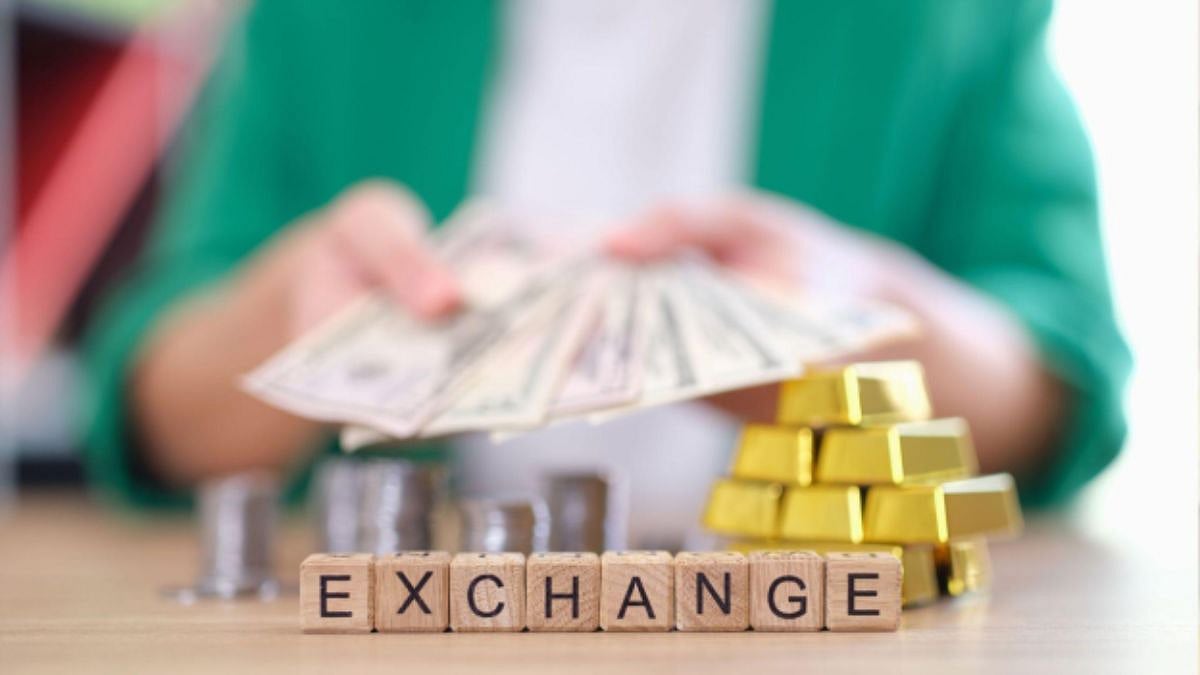
Gold rarely stays in Indian homes as just an ornament. It carries memory, habit, and often a practical role in family finances, too. But over time, preferences change, and a heavy necklace feels dated, a broken bangle stays locked away, or an old chain simply stops fitting into how people dress today. That is where the gold exchange starts making sense. Instead of letting unused jewellery remain idle, many families now use it to reduce the cost of a new purchase.
This shift is also connected to the larger market around us. When people hear discussions around India gold import, they are really hearing a bigger story about dependence on fresh bullion and global price swings. In that environment, exchanging old gold feels less like a trend and more like a smart financial decision.
Why is Exchange Gaining Ground?
At a basic level, the old gold exchange is simple. You carry your jewellery to a store, the item is checked for purity, stones or non-gold elements are identified separately, and the gold content is valued based on the prevailing rate for that day.
● The assessed value is adjusted against the new jewellery you want to buy. If you are exchanging an old ring for a new chain, for instance, the value of your old piece brings down the amount you pay from your pocket.
● What has changed in recent years is not the idea of exchange, but the way customers think about it.
● More buyers want clarity, speed, and fairness. They are comparing reuse with fresh purchase, especially at a time when india import export data continues to show how closely the domestic market is tied to global supply.
● Add the impact of import duty on gold, and the logic becomes stronger: if households already own unused jewellery, why not unlock value from it before buying again at full cost?
What to Check Before Exchanging Old Gold?
Even though the process sounds simple, customer confidence depends on a few details.
● The first is transparency during purity testing.
● The second is how the jeweller treats stones, beads, lac, or any other non-gold components.
● The third is deductions. Many people hesitate because they fear the final value will be lower than expected after unclear cuts.
A good exchange process should leave very little room for doubt. The purity check should happen in front of you. The gross weight and the net gold weight should be clearly separated. If melting is needed, you should know why it is being done and how the result affects valuation. When these basics are handled properly, exchange stops feeling like a negotiation game and starts feeling like an informed transaction.
Why Process Matters More Than Promises?
Customers are no longer satisfied with broad verbal assurances. They want to see the machine, the measurement, the breakup, and the logic behind the final number.
● A transparent process builds trust faster than a polished sales pitch ever can. In an expensive category, that matters.
● Gold buying is emotional, but it is still a high-value purchase, and people want proof before they part with inherited pieces or older designs.
Say a customer walks in with a pair of earrings bought years ago from a local jeweller, but without the original bill. In the past, that could easily become awkward. Some stores might refuse the exchange, while others might accept it with vague deductions. A stronger exchange model does the opposite. It explains the purity result, tells the customer what is being valued, and gives a clean calculation. That kind of clarity matters even more when the gold price is high, because every gram carries visible financial weight.
Where Tanishq Stands Apart?
This is the point where a brand like Tanishq changes the scenario. Not because exchange needs branding, but because process quality makes a real difference.
● At Tanishq stores, the old gold remains in the customer’s sight throughout the evaluation. The weighing, purity testing through karatmeters, and even melting, are handled openly rather than behind a counter.
● The store also accepts old gold bought from other jewellers, including pieces from 9 KT purity onward, and even in cases where the customer does not have the original bill.
● That matters because one of the biggest emotional barriers in exchange is fear of unfair valuation. Tanishq addresses that by keeping the process visible and the rate logic easy to follow, including a transparent approach where buying and exchange rates remain aligned without hidden deductions.
For a customer, it feels less like bargaining and more like the conversion of an existing asset into something new. At a larger level, it also supports a more sustainable gold economy for India. When old household gold is brought back into circulation through transparent exchange programmes, the dependence on freshly imported gold reduces to some extent. That makes exchange not just financially practical for consumers, but also beneficial for an import-dependent market like India, where recycling existing gold can help ease pressure on national import bills over time.

