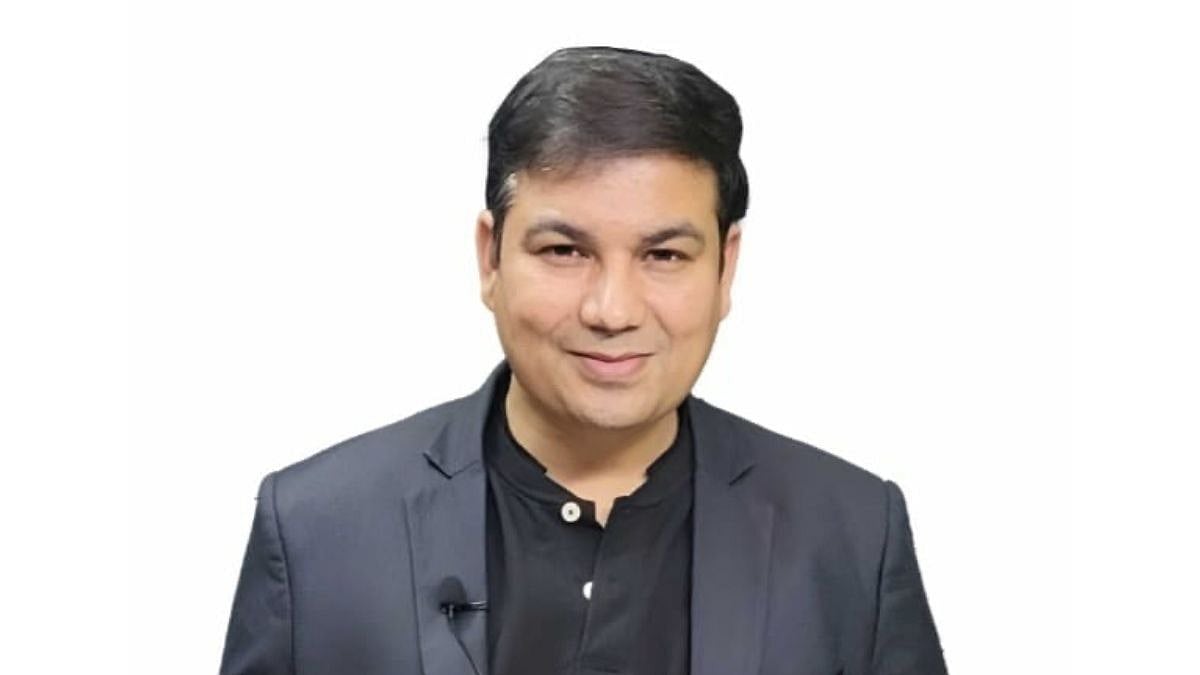
At a time when India’s education system is often criticized for prioritizing rote learning over real understanding, Dr. Vinod Sharma is emerging as a key change-maker, introducing innovative, science-backed methods to transform how students learn.
An educator, author, and brain science expert, Dr. Sharma has dedicated over 17 years to developing techniques that focus on improving memory, reducing academic stress, and enhancing cognitive abilities among students. Through his initiative, Brainywood Foundation, he has already trained more than 500,000 students and reached over 100 schools across the country.
Speaking about the challenges in the current system, Dr. Sharma notes that excessive focus on marks often suppresses curiosity and critical thinking. “Students are taught what to think, not how to think. This creates pressure and limits their ability to apply knowledge in real-life situations,” he says.
His solution lies in what he calls “brain science learning” — a structured approach that combines logic, creativity, visualization, and association techniques. Unlike traditional rote methods, his model encourages students to break down complex topics into simplified keywords, images, and relatable concepts, making learning both effective and enjoyable.
Dr. Sharma’s journey into education began under unexpected circumstances. Born on July 11, 1982, in Ajmer, Rajasthan, he initially aspired to join the Indian Army. However, after discovering he had colour blindness during his preparation, he shifted his focus toward teaching. His struggle with memorizing vast syllabi during exam preparation led him to explore memory enhancement techniques, eventually inspiring him to develop his own system tailored for students.
Over the years, his methods have gained widespread recognition. He holds a Guinness World Record and an Asia Book of Records for conducting one of the largest memory training sessions, with over 1,500 participants. In total, he has trained more than 2 million individuals through both offline workshops and online platforms.
A major highlight of his work is the establishment of over 25 Brain Science Labs across India. These labs are equipped with interactive tools and techniques designed to improve concentration, memory, and overall brain performance. His initiatives have also attracted the attention of government bodies, leading to collaborations with states like Rajasthan, Gujarat, and Uttarakhand for teacher training and educational development programs.
Education experts believe such innovations are aligned with the goals of India’s National Education Policy (NEP), which emphasizes experiential and skill-based learning. Dr. Sharma’s techniques, focusing on visualization, creativity, and structured thinking, are seen as practical tools to bridge the gap between policy and implementation.
In addition to his training programs, Dr. Sharma has authored several books on memory and learning, including Merit Made Easy and Brain Science Learning. His writings aim to make scientific learning techniques accessible to students, teachers, and parents alike.
Beyond classrooms, his impact extends to mental health awareness among students. By promoting stress-free learning techniques, he addresses issues like exam anxiety and academic pressure, which continue to affect millions of students across India.
With a growing network of educators, institutions, and policymakers adopting his methods, Dr. Vinod Sharma’s brain science approach is steadily gaining traction. As India looks to reform its education system for the future, his work offers a promising model that blends science, creativity, and practical learning to nurture well-rounded individuals.

