For a long time, buying a car was closely linked to size. Bigger cars were seen as better—offering more space, more presence, and often a sense of status. However, as driving conditions and buyer expectations evolve, this idea is being questioned.
Today, many buyers are asking a different question: do you really need a bigger car, or just a smarter one?
The Traditional Appeal of Bigger Cars
The popularity of larger vehicles is easy to understand.
They typically offer:
More cabin space
Higher seating position
Strong road presence
Better suitability for long-distance travel
For families and frequent highway users, these advantages still matter. However, they also come with trade-offs.
The Practical Challenges of Size
In modern urban environments, bigger cars can become less convenient.
City driving often involves:
Narrow roads
Heavy traffic
Limited parking spaces
In such conditions, larger vehicles can be harder to manoeuvre and park. This reduces everyday usability, which is a key factor for many buyers.
This is where the idea of a “smarter” car comes into play.
What Makes a Car “Smarter”?
A smarter car is not defined by its size—it is defined by how efficiently it uses its space and technology.
It focuses on:
Optimised interior layout
Thoughtful feature integration
Ease of driving and usability
Technology that enhances convenience
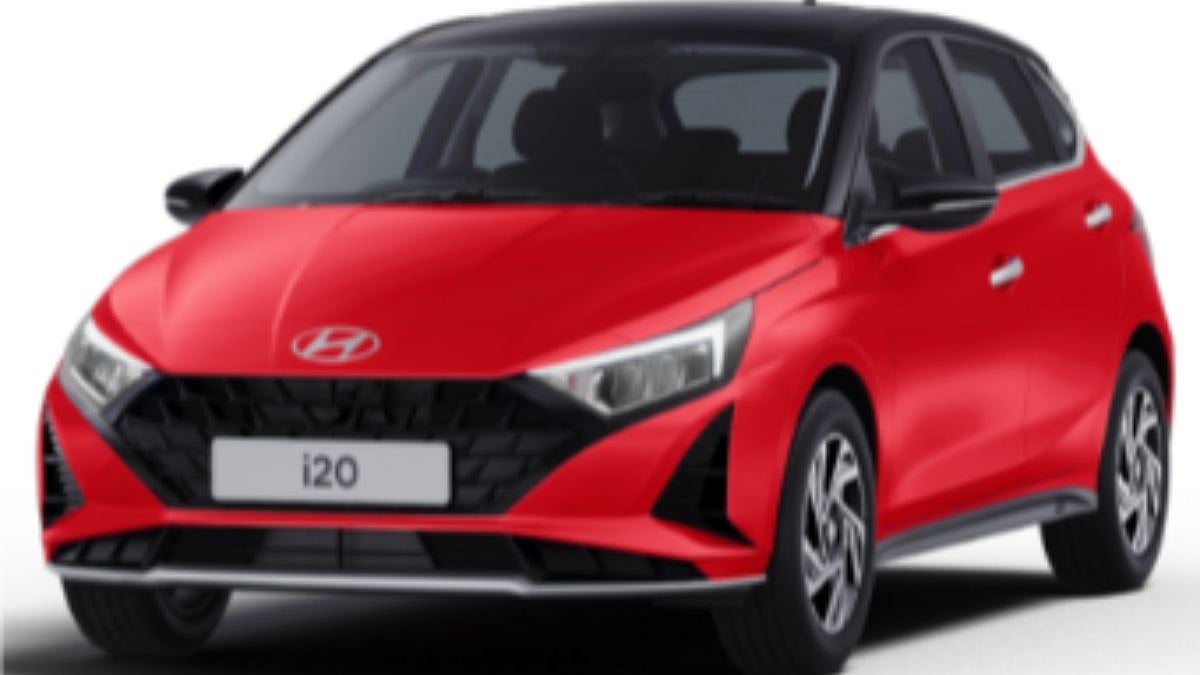
Cars like the Hyundai i20 represent this approach. Despite their compact size, they offer a well-designed cabin, modern infotainment systems, and connected features that enhance everyday usability.
The Role of Design in Maximising Space
Modern car design has evolved to make smaller cars feel larger.
Automakers now focus on:
Better cabin ergonomics
Efficient use of interior space
Smart storage solutions
This allows compact cars to deliver comfort without increasing their physical size.
In many cases, a well-designed, smaller car can feel more practical than a larger, less efficient one.
Technology as a Key Differentiator
Technology is one of the biggest factors driving the shift towards smarter cars.
Features such as:
Large touchscreen infotainment systems
Digital instrument clusters
Connected car technology
enhance the overall experience without adding bulk.
For example, vehicles like the i20 offer advanced connectivity and intuitive controls, making daily driving more convenient and engaging.
Similarly, newer electric SUVs like the Maruti Suzuki e Vitara integrate smart digital ecosystems, demonstrating how technology can redefine the driving experience.
Efficiency Over Excess
Smarter cars also prioritise efficiency.
This includes:
Better fuel or energy efficiency
Lower running costs
Reduced environmental impact
Electric vehicles take this further by offering a lower per-kilometre cost and cleaner operation.
This shift shows that value is no longer just about size—it is about how efficiently a car performs.
Driving Experience That Matters
Ease of driving is another key advantage of smaller, smarter cars.
They offer:
Better maneuverability
Reduced driver fatigue in traffic
Easier parking
These factors contribute significantly to everyday comfort, often more than additional space.
Changing Buyer Priorities
Modern buyers are more informed and practical in their decision-making.
They now evaluate cars based on:
Real-world usability
Feature relevance
Long-term ownership experience
This has reduced the emphasis on size alone and increased the importance of overall value.
The Balance Between Size and Smartness
This does not mean that bigger cars are no longer relevant.
For certain use cases—such as large families or frequent long-distance travel—size still matters.
However, for many urban buyers, a smarter, more efficient car offers a better balance between practicality and experience.
Role of Digital Platforms in Decision-Making
With so many factors to consider, online car-buying platforms like ACKO Drive help buyers compare different vehicle types, understand features, and evaluate ownership costs.
This enables more informed decisions based on actual needs rather than assumptions.
Final Thoughts
The idea that bigger cars are always better is gradually fading.
Today, buyers are looking for cars that are smarter—vehicles that deliver comfort, technology, and efficiency without unnecessary bulk.
Cars like the Hyundai i20 and emerging EVs like the Maruti Suzuki e Vitara show how design and innovation can redefine value beyond size.
In the end, the best car is not the biggest one—it is the one that fits your life the best.

