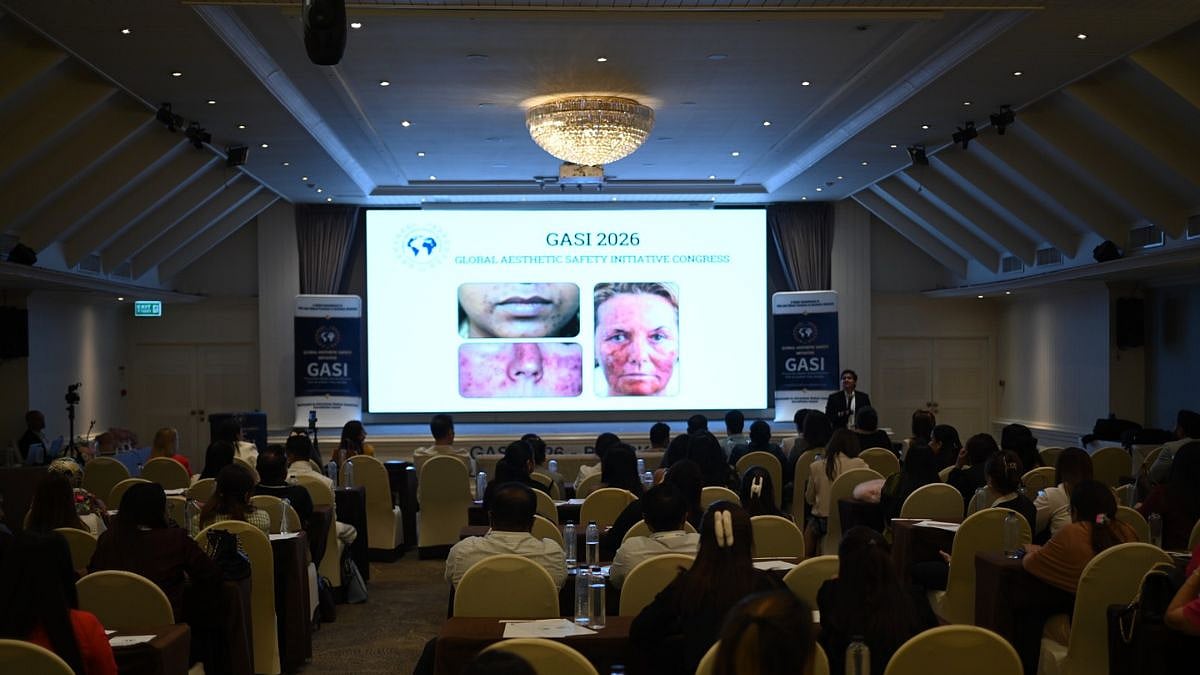
The rapid expansion of aesthetic medicine across global markets is bringing renewed attention to complication management and ethical clinical practice. As procedures become more widely available and patient demand continues to grow, medical professionals and educators are increasingly emphasising the importance of safety, informed consent, and practitioner accountability.
Aesthetic treatments, while generally considered minimally invasive, are not without risk. Complications such as vascular occlusion, infection, skin necrosis, and, in rare cases, vision loss have been reported in clinical settings. Industry observers note that many of these outcomes are preventable when procedures are performed by adequately trained practitioners with a clear understanding of anatomy, technique, and emergency response.
The issue has gained prominence alongside the rise of short-term training pathways, which have made aesthetic procedures more accessible to medical professionals but have also led to variations in preparedness. In some cases, practitioners may begin performing procedures without sufficient exposure to complication management or without structured evaluation of their clinical skills.
This has led to a growing emphasis on integrating ethical considerations into training frameworks. Informed patient consent, transparency around risks, and adherence to clinical boundaries are increasingly being discussed as core components of aesthetic practice rather than optional considerations. The shift reflects a broader understanding that aesthetic medicine, despite its elective nature, remains a medical discipline requiring the same level of responsibility as other clinical fields.
Parallel to this, competency-based education models are gaining attention as a way to address gaps in training quality. These models focus on verifying practical ability and clinical judgment before independent practice, rather than relying solely on course completion. Educators suggest that such approaches can help ensure practitioners are better prepared to both perform procedures and respond to complications when they arise.
Within this evolving landscape, organisations have begun introducing structured initiatives aimed at strengthening safety and ethics in training. The International Medical Competency Accreditation Council (IMCAC) has developed academic and safety-focused programs that incorporate competency-based assessment, complication awareness, and ethical practice into training pathways. These efforts are part of a broader movement to align aesthetic education with more formalised and measurable standards.
At the same time, concerns around unregulated practices and the use of non-standardised products continue to surface in parts of the industry. Reports of procedures being conducted outside clinical settings or without adequate supervision have added to calls for clearer guidelines and stronger oversight mechanisms.
While regulatory approaches vary across countries, the direction of discussion appears consistent. There is increasing recognition that the long-term sustainability of aesthetic medicine depends not only on innovation and accessibility but also on the ability to maintain patient safety and professional integrity.
As the field continues to grow, the focus on complication awareness and ethical practice is likely to remain central. For many within the industry, strengthening training standards and reinforcing accountability are seen as necessary steps toward building greater trust in aesthetic medical care.
