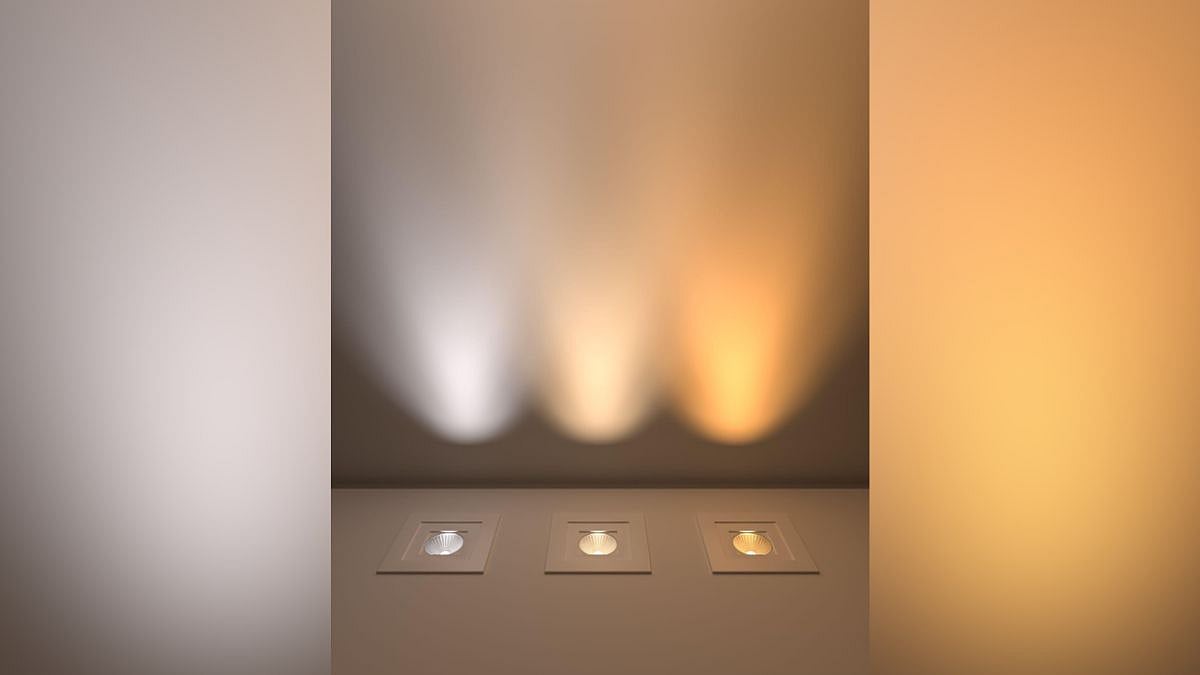
Lighting does far more than simply brighten a room. The type of lighting used in homes, offices, and commercial spaces can influence mood, energy levels, productivity, and even sleep quality. As people become more conscious of wellness-focused interiors, circadian lighting has gained attention as a smarter alternative to conventional lighting setups.
Traditional lighting has long been the standard choice for everyday illumination. From a simple tube light in kitchens to decorative ceiling lights in living rooms, these systems primarily focus on visibility and aesthetics. Circadian lighting, however, takes a more human-centric approach by aligning indoor lighting with the body’s natural biological clock.
Understanding the difference between the two can help create spaces that feel more comfortable, efficient, and supportive of daily routines.
What is Circadian Lighting?
Circadian lighting is designed to mimic the natural progression of sunlight throughout the day. It changes brightness and colour temperature according to the time of day to support the body’s circadian rhythm, which is the internal clock responsible for regulating sleep, alertness, and energy levels.
During the morning, circadian lighting typically produces cooler and brighter tones that encourage focus and wakefulness. As the day progresses, the lighting gradually shifts to warmer and softer tones to help the body relax and prepare for rest. This lighting concept is commonly integrated using smart systems, adjustable ceiling lights, and advanced LED bulbs that can automatically adapt to different times of the day.
What is Traditional Lighting?
Traditional lighting focuses mainly on illumination without considering how light affects the human body. Its purpose is practical: to provide enough brightness for visibility and functionality.
Most conventional lighting setups use fixed colour temperatures and brightness levels. Whether it is a tube light in a workspace or standard ceiling lights in bedrooms, the lighting generally remains the same throughout the day unless manually changed. Traditional lighting continues to be widely used because of its simplicity, affordability, and ease of installation. However, it may not always support comfort and wellness as effectively as more adaptive lighting solutions.
Key Differences Between Circadian and Traditional Lighting
Although both lighting systems illuminate spaces, their approach and impact are very different.
Purpose of Lighting
Traditional lighting is designed mainly for visibility. It ensures spaces are adequately lit for tasks and movement. Circadian lighting goes beyond visibility. It is designed to support physical comfort, emotional wellness, and healthy sleep cycles by adjusting lighting conditions naturally throughout the day.
Colour Temperature
Colour temperature plays a major role in how lighting feels. Traditional lighting often uses one fixed tone. For example, a cool white tube light may remain bright and harsh even during late evening hours. Circadian lighting changes colour temperature dynamically. Cooler tones are used during active daytime hours, while warm tones are introduced during evenings to create a calming atmosphere.
Energy and Productivity
Lighting can directly influence concentration and alertness. Traditional lighting may sometimes feel tiring during long working hours, especially when the brightness remains constant all day. Circadian lighting supports productivity by matching natural daylight patterns. Cooler daytime lighting can help improve focus and reduce fatigue, particularly in workspaces and study areas.
Sleep Quality
Exposure to bright blue-toned lighting late at night may interfere with melatonin production and disrupt sleep. Circadian lighting reduces this issue by shifting toward warmer tones during evening hours. This creates a more relaxing environment that supports healthier sleep patterns.
Technology Integration
Most traditional lighting systems operate manually with basic switches. Circadian lighting usually works with automation and smart controls. Modern led bulbs and connected lighting systems can schedule brightness and colour changes automatically for convenience and comfort.
Where Does Circadian Lighting Work Best
Circadian lighting can be highly effective in spaces where people spend long hours indoors.
● Home Interiors: Bedrooms, living rooms, and home offices benefit greatly from adaptive lighting. Warm evening lighting creates a relaxing atmosphere, while brighter daytime lighting improves energy levels.
● Offices and Workspaces: Productivity-focused environments increasingly use circadian lighting to support employee comfort and concentration throughout the day.
● Educational Spaces: Schools and study rooms can benefit from lighting that improves alertness during learning hours while reducing eye strain.
● Healthcare Facilities: Hospitals and wellness centres often use circadian lighting to create more comfortable environments for patients and staff.
Is Traditional Lighting Still Relevant?
Despite the growing popularity of circadian lighting, traditional lighting still remains practical for many situations. Standard ceiling lights and tube light installations are affordable, easy to maintain, and suitable for areas where advanced lighting controls may not be necessary. Storage rooms, garages, utility spaces, and temporary setups often continue to rely on conventional lighting systems. Additionally, many people combine traditional lighting with modern LED bulbs to improve energy efficiency while maintaining a simple lighting arrangement.
Choosing the Right Lighting for Your Space
The right lighting choice depends on lifestyle, daily routines, and the purpose of the room. For people who work long indoor hours or want a wellness-focused home environment, circadian lighting offers greater flexibility and comfort. Adjustable LED bulbs and smart ceiling lights can help create a balanced atmosphere that changes naturally throughout the day.
Traditional lighting remains a practical solution for straightforward illumination needs. A reliable tube light or fixed ceiling lights may still work perfectly well in functional spaces that do not require adaptive lighting. The ideal approach for many modern homes is often a combination of both. Using traditional lighting in utility areas while incorporating circadian lighting in bedrooms, workspaces, and living areas can create a more balanced and comfortable environment.
Lighting That Supports Everyday Living
Lighting choices now go beyond brightness alone. Modern interiors increasingly focus on comfort, wellness, and adaptability, making circadian lighting an appealing option for contemporary lifestyles.
While traditional lighting continues to provide dependable illumination, circadian lighting introduces a more thoughtful approach that works in harmony with the body’s natural rhythm. From smart ceiling lights to energy-efficient LED bulbs, today’s lighting solutions offer more flexibility than ever before. Understanding how different lighting systems affect daily life can help create spaces that not only look good but also feel healthier, calmer, and more energising throughout the day.
