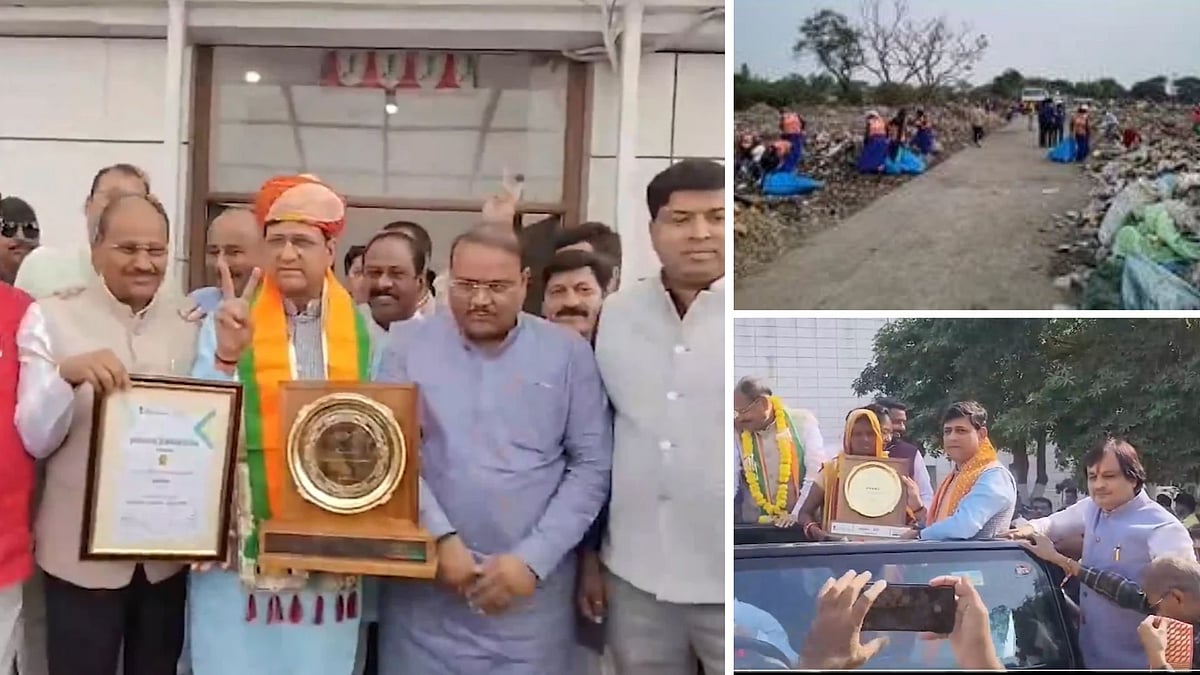
Indore-Depalpur Cleanliness Partnership: Depalpur, which once ranked below 1,700 nationally in cleanliness parameters, has made a remarkable turnaround by securing second place along with Indore in the Swachh Shehar Jodi category of Swachh Survekshan 2025-26. The achievement was celebrated with a grand rally in Indore to welcome Mayor Pushyamitra Bhargava. But how did Indore help transform Depalpur's cleanliness and waste-management system?
Through technical guidance, manpower and better waste-management practices, Indore's cleanliness model assisted Depalpur move from among the lowest-ranked cities in Madhya Pradesh to becoming the first town under the Swachh Shehar Jodi initiative to achieve Zero Legacy Waste.
The partnership began in September 2025 under the Centre's 'Each One, Teach One' initiative. Here are seven ways Indore helped Depalpur improve its cleanliness system.
1. Door-to-door garbage collection: Indore helped Depalpur strengthen its door-to-door garbage collection system. Waste is now collected from 3,269 households and 868 commercial establishments through six compartmentalised vehicles. Structured collection routes were introduced to ensure regular waste collection.
2. Four-way waste segregation: The Indore cleanliness model of separating waste into four categories was introduced in Depalpur. Residents were encouraged to segregate waste at source, making its collection, recycling and processing easier.
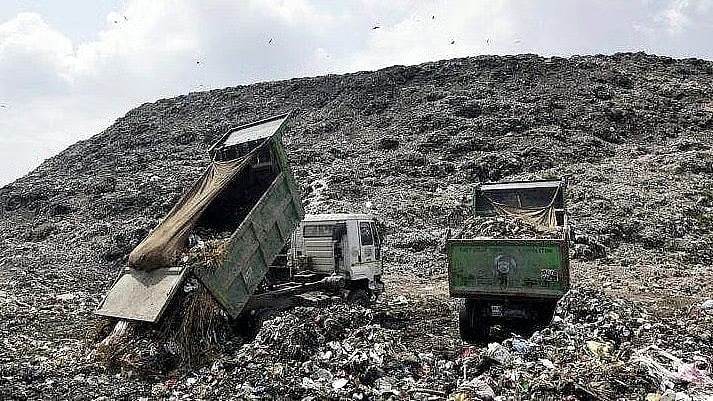
3. Clearing 1,250 tonnes of legacy waste: One of the biggest achievements was clearing the five-year-old garbage dump. Indore Municipal Corporation provided technical expertise and heavy machinery and mobilised more than 500 ragpickers to work alongside Depalpur Nagar Parishad employees. Around 1,250 metric tonnes of legacy waste were scientifically processed, reclaiming 2.2 acres of land.
4. Recycling and scientific waste processing: During the operation, 4.5 tonnes of recyclable materials, including plastic, metal and glass, were recovered and sold to authorised recyclers. Another 50–60 tonnes of refuse-derived fuel (RDF) were sent to Indore's NEPRA plant for cement co-processing.
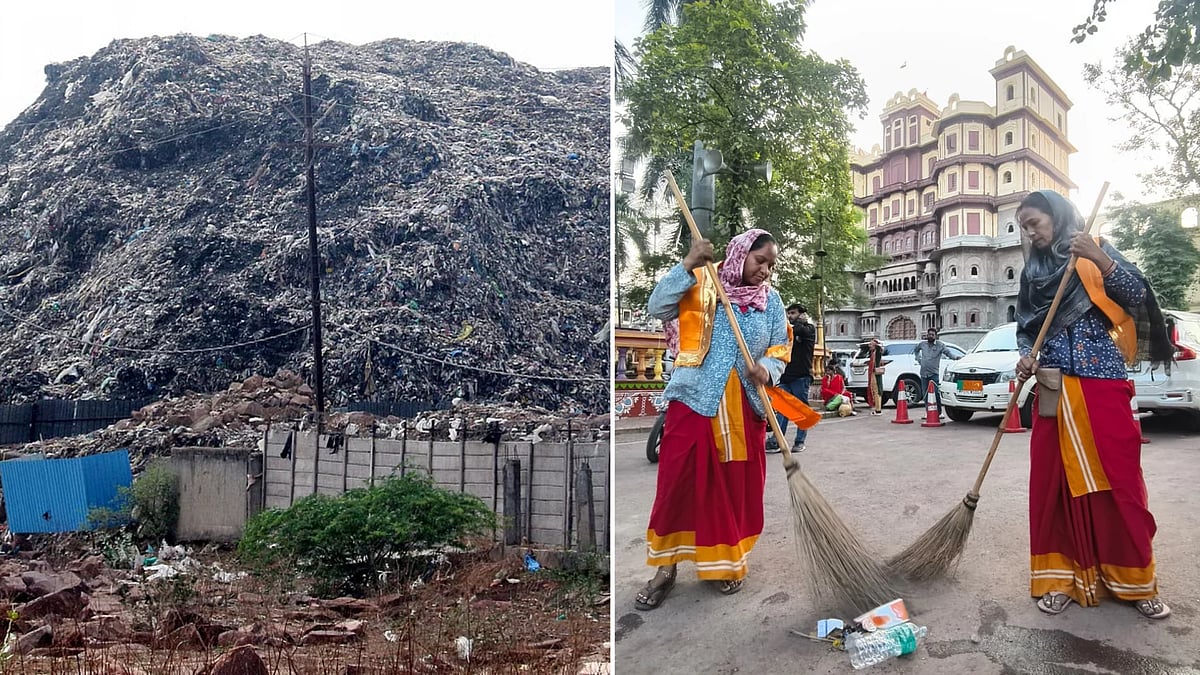
5. Monitoring across all 15 wards: NGOs were deployed in all 15 wards to monitor cleanliness and prevent garbage accumulation. A fine of Rs 25,000 was also imposed if garbage was found piled up on streets.
6. Public awareness campaigns: A total of 2,568 information, education and communication (IEC) activities were conducted in six months. These campaigns encouraged residents to adopt better waste disposal and cleanliness practices.
7. Beautification and public participation: After clearing the dumpsite, 200 saplings were planted. The historic Surajkund Bawdi was also revived, while wall art and plastic-free zones added to the town's transformation. The reclaimed site is planned as a public space for cricket and community events.
Indore Mayor Pushyamitra Bhargava credited the achievement to the collective efforts of both cities, saying the recognition belonged to their people and institutions.