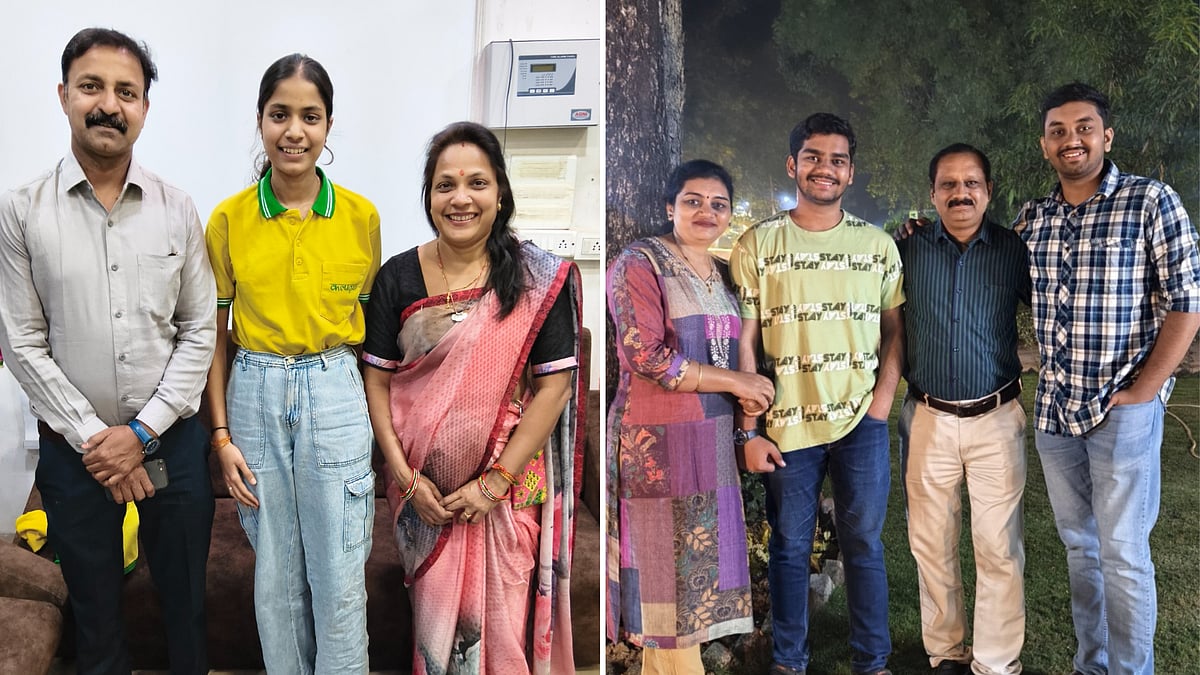
Indore (Madhya Pradesh): While Indore’s JEE Advanced 2026 results were defined by rankings, the stories behind the numbers reveal two sharply different approaches that converged at the same outcome - national-level excellence.
Riddhesh Bendale: Training the mind for speed
For Riddhesh Anant Bendale (AIR 18, IIT Kanpur Zone topper), preparation was less about accumulation and more about refinement.
A former International Physics Olympiad participant, he entered JEE Advanced preparation with a strong conceptual base - but quickly realised that depth alone would not suffice.
“The shift was from thinking long to thinking fast,” he says, describing JEE Advanced as an examination where hesitation often costs more than ignorance.
According to him, the early phase of preparation involved unlearning certain habits developed during Olympiad training. Problems that once required extended reasoning had to be compressed into quick, executable steps.
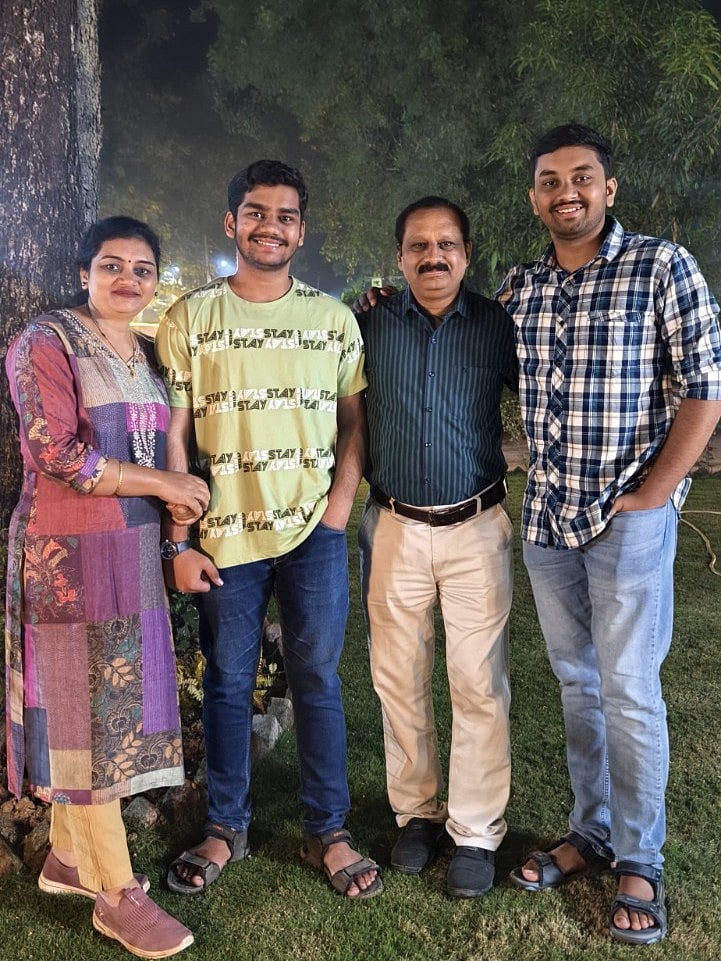
Riddhesh Anant Bendale | FP Photo
He refers to a phase in his preparation as “speed conditioning”, during which the focus shifted to reducing solving time without compromising accuracy.
Mock tests became central to this process. However, unlike most aspirants, he spent more time analysing his errors than reviewing correct answers.
A notebook he maintained throughout preparation - what he called his “Black Book of Errors” - became a key tool. It contained repeated mistakes, misread questions and calculation slips.
“I stopped treating mistakes as random,” he says. “If something happens repeatedly, it is a pattern that needs correction.”
By the time of JEE Advanced 2026, his preparation had become highly system-driven, focused on efficiency, pattern recognition and error elimination.
Anushka Agrawal: The discipline of repetition
For Anushka Agrawal (CRL 859, highest-ranked female candidate in IIT Kanpur Zone), success was built on an entirely different foundation—routine.
Unlike fluctuating study schedules common among aspirants, her preparation followed a fixed daily structure that remained unchanged for months.
“There were days when I felt motivated and days when I didn’t,” she says. “The timetable stayed the same.”
Her approach, she explains, was rooted in consistency rather than intensity. Study hours were not increased during difficult phases, nor reduced during low-motivation periods.
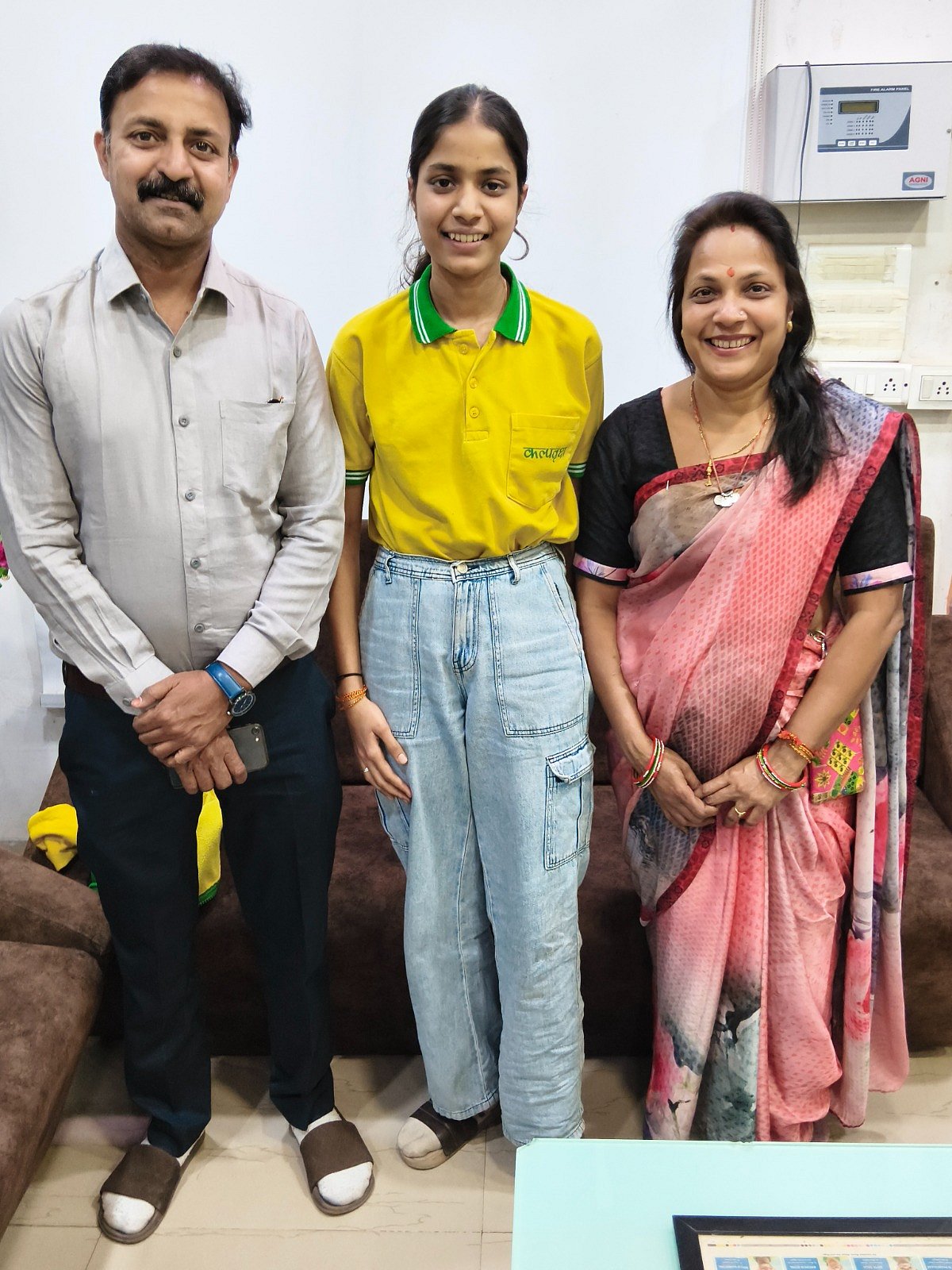
Anushka Agrawal |
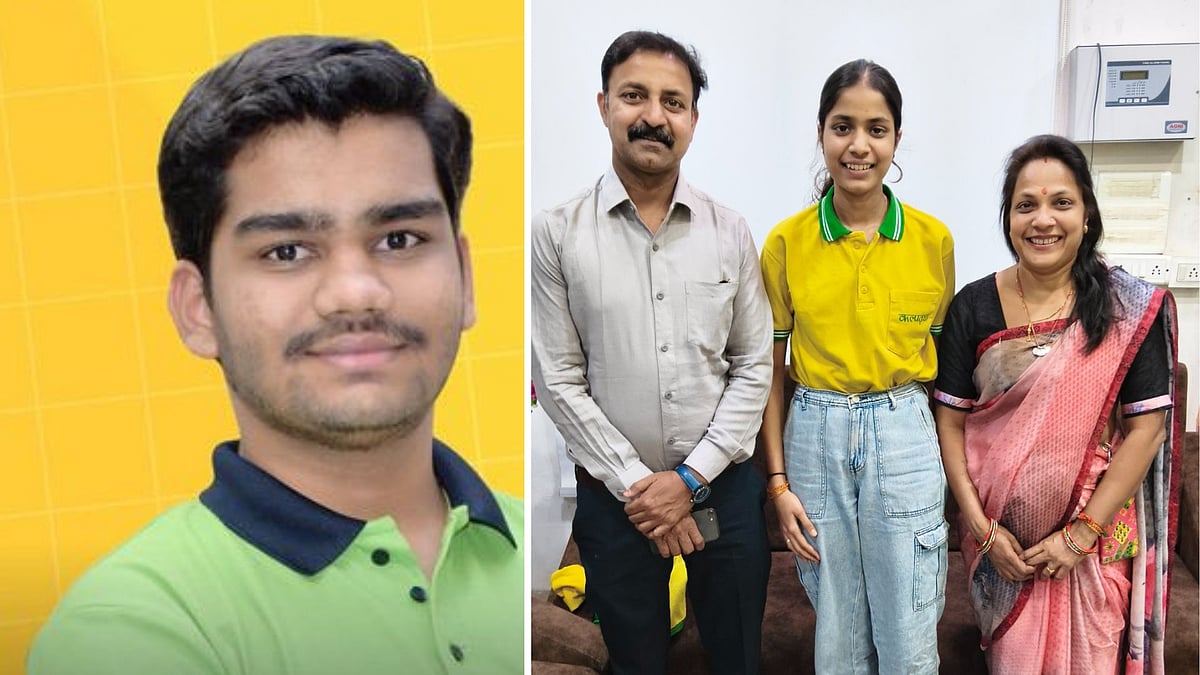
Instead, she focused on maintaining continuity, ensuring that preparation did not depend on emotional state.
Mock tests, like for most aspirants, were difficult phases in her journey. However, she gradually learned to treat them as feedback mechanisms rather than performance judgments.
“One test never defines you,” she notes. “It only tells you what to improve next.”
As the highest-ranked girl in the IIT Kanpur Zone, her result has drawn attention across Madhya Pradesh, particularly among young female aspirants.
However, she resists framing her achievement in exceptional terms.
“The syllabus is the same for everyone,” she says. “The subject does not change based on who is studying it.”
Her long-term goal remains focused on Computer Science, with aspirations to enter top engineering institutions and work in emerging technology fields.