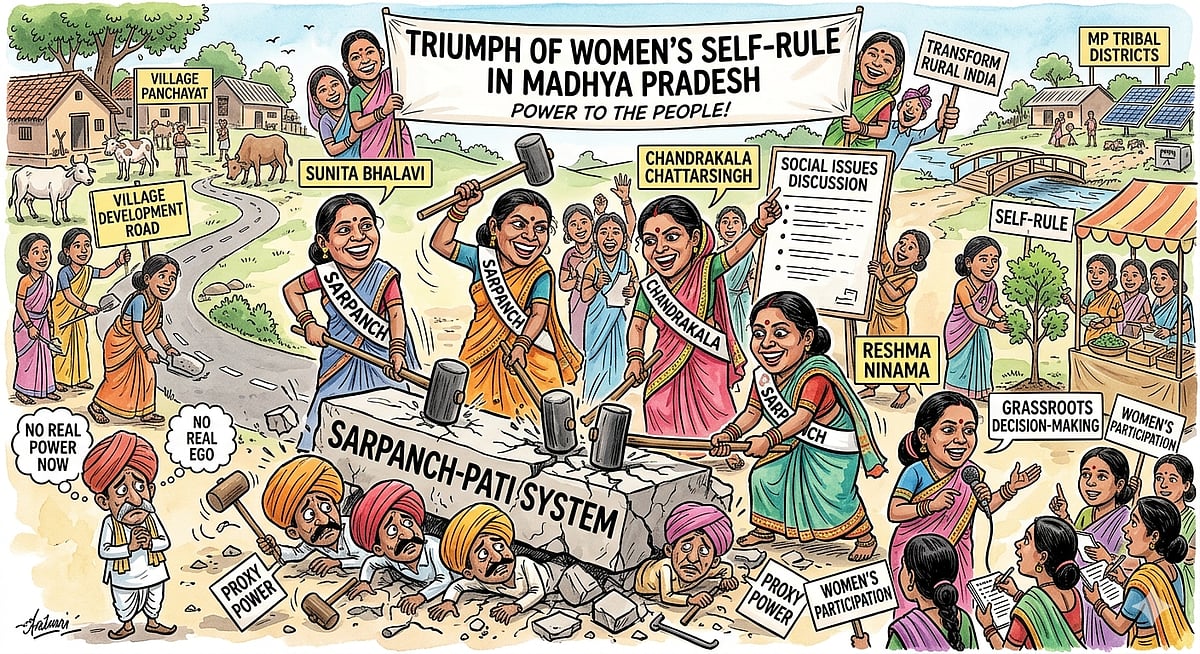
Indore (Madhya Pradesh): The popular series Panchayat gave India a widely used term—“Sarpanch-Pati”—highlighting a system where elected women often remain figureheads while male relatives take decisions. The law may mandate representation, but in many places, authority has traditionally followed a different path.
That pattern, however, is beginning to shift. Across tribal regions of Madhya Pradesh, women are stepping out of proxy roles and into positions of real authority—taking decisions, handling governance, and reshaping how Panchayats function.
With support from Transform Rural India (TRI), leaders such as Sunita, Chandrakala, Reshma and Anjula are not just occupying seats—they are redefining them.
Sunita Bhalavi: Leading from the front (Barcha Buzurg, Dewas District)
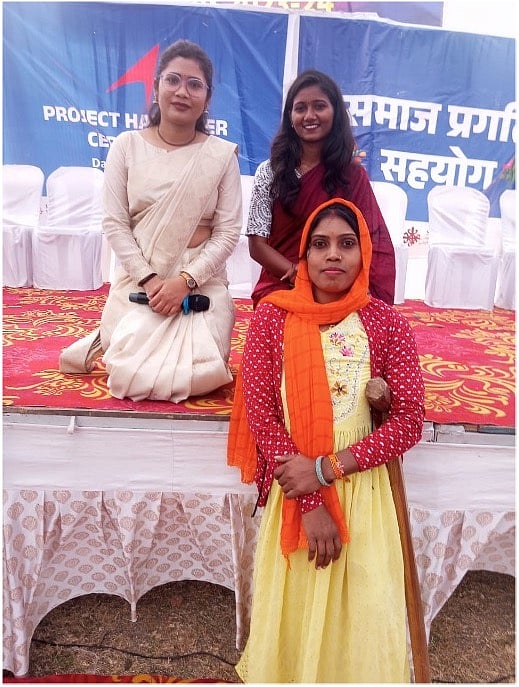
Sunita Bhalavi |
“I never believed I should stay behind because of my disability,” said Sunita Bhalavi, known locally as Sunita Didi. “Even before I became Sarpanch, I was helping people access schemes and solve their problems,” she said.
She has overseen development works worth Rs 75 lakh, including dairy sheds and the Nal Jal Yojana water project. “People think a woman needs someone else to speak for her. I don’t agree. If we are elected, we should lead,” she said. “This Panchayat is my dream—to build a self-reliant village,” she added.
Chandrakala Chattarsingh: Finding her voice (58) (Ghusgaon, Rajpur Block)
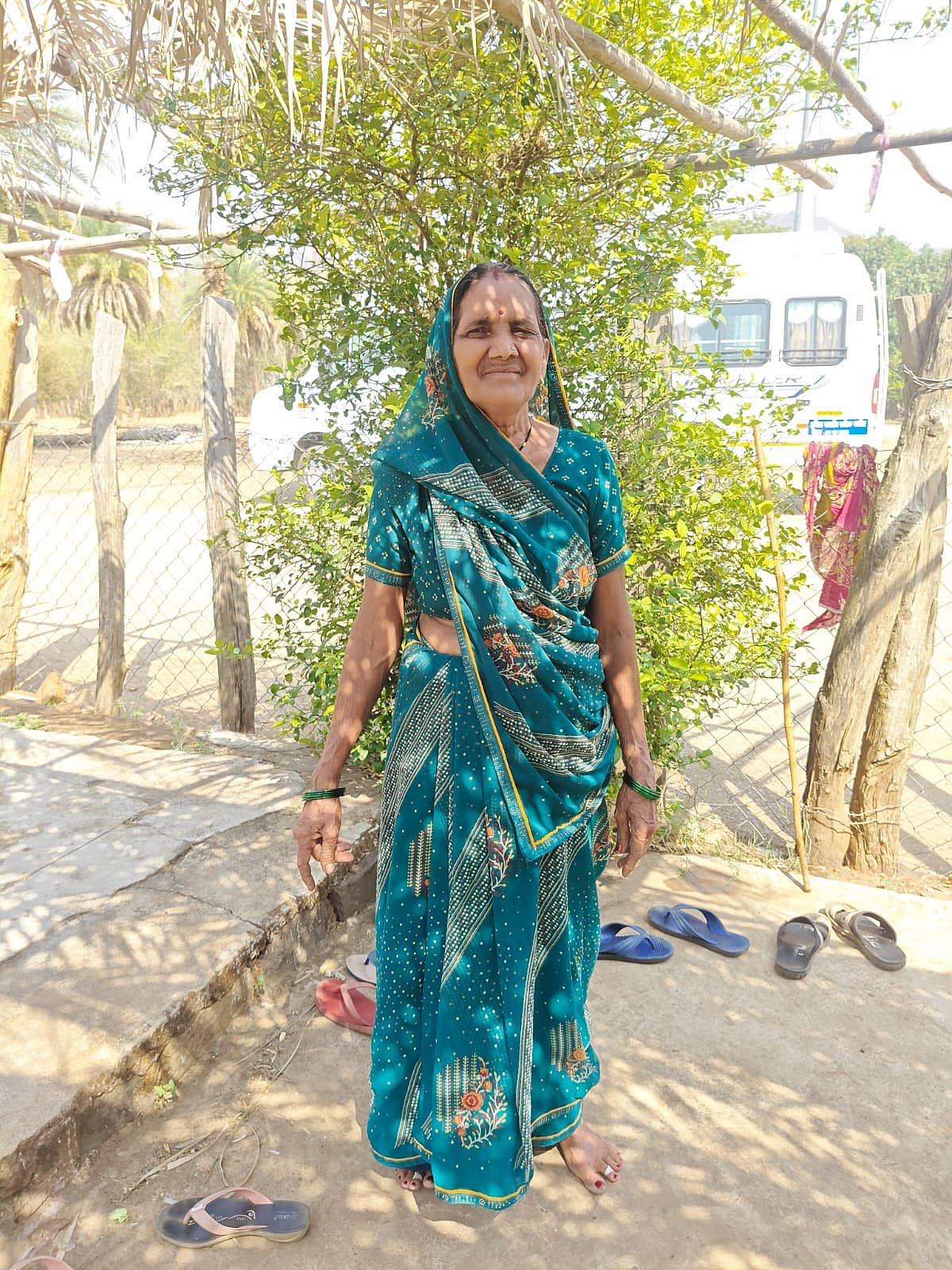
Chandrakala Chattarsingh |
“For years, I stayed silent and sat in the background,” said Chandrakala Chattarsingh, 58. “My son handled everything. I thought I wasn’t educated enough to speak,” she said.
A 12-day leadership training changed that. “I realised my experience is my strength. I understand my village,” she said. Now, villagers approach her directly for decisions on roads and water pipelines. “If we don’t step forward, how will younger women learn?” she said. “Age is not the issue—confidence is.”
Reshma Ninama: Leading with empathy (Asaliya, Jhabua District)
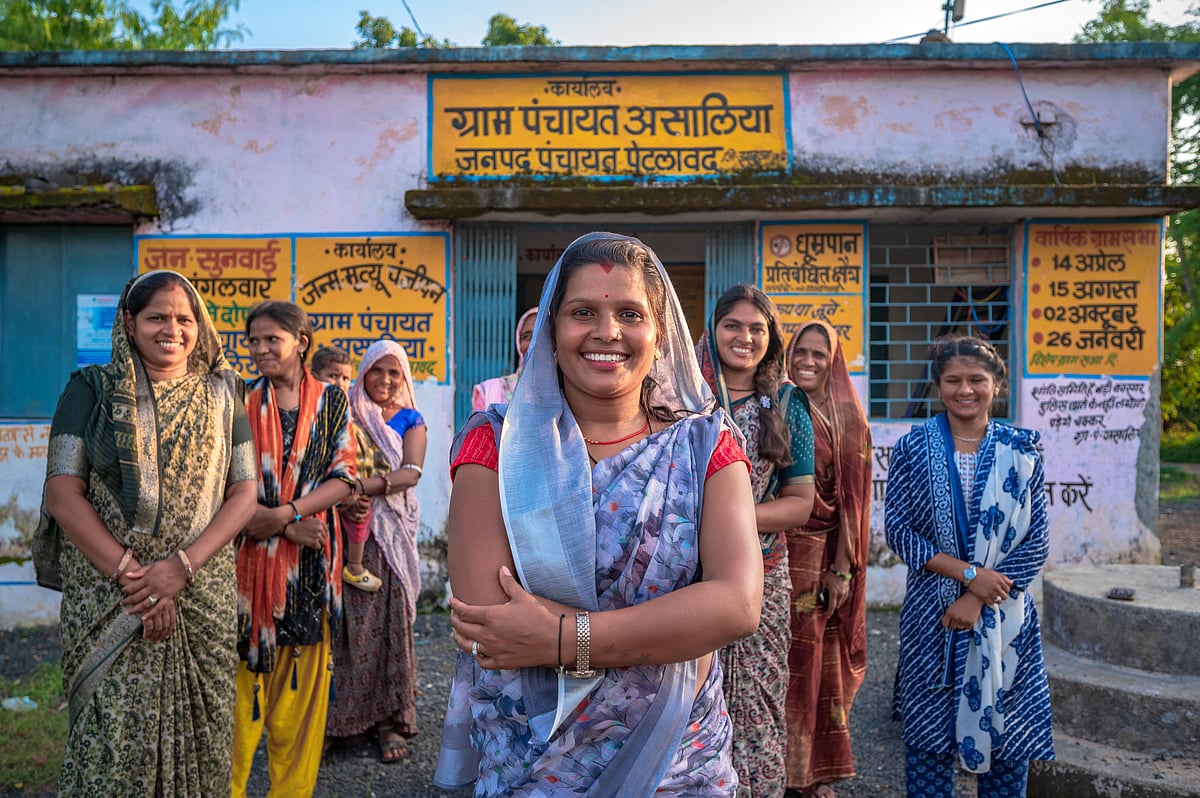
Reshma Ninama | CHETAN SONI
“I was already working in the village before the elections,” said Reshma Ninama, 28. “I worked on maternal and child health in the village, visiting every household. That’s how I understood people’s problems,” she said.
A visioning exercise encouraged her to think beyond individual work. “I realised I could serve the entire village,” she said. After being elected in 2022, she took immediate steps. “I banned alcohol because it was affecting women the most,” she said. “We also declared the village a gender-sensitive panchayat.” “I feel responsible for my people. I can’t ignore what is wrong,” she added.
Anjula Parasthi: Taking lessons beyond the classroom (Tikariya, Mandla District)
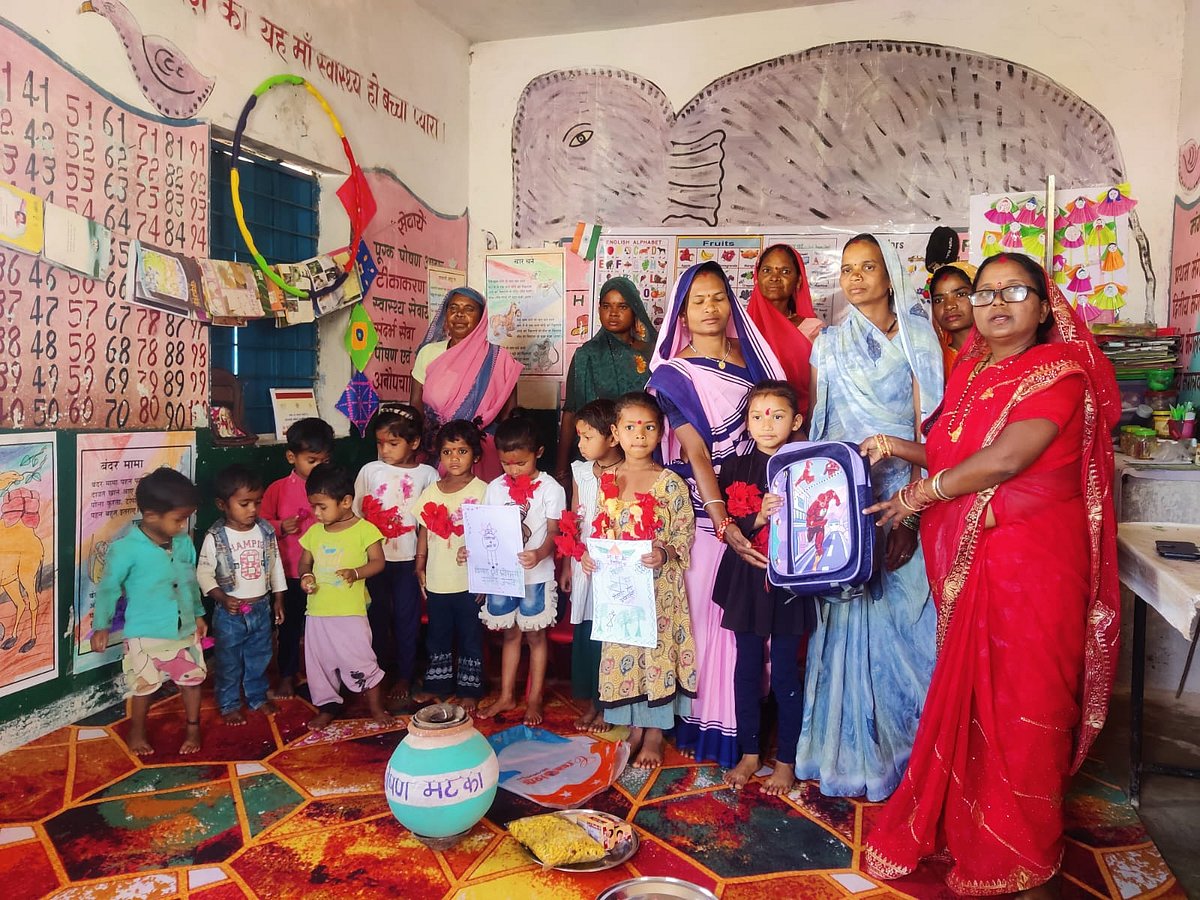
Anjula Parasthi |
“I was a teacher, and I could see how lack of basic facilities was affecting children,” said Anjula Parasthi. Encouraged by her Self-Help Group, she contested the election. “I thought if I can manage a classroom, I can manage a Panchayat,” she said.
She focused on water conservation, helping build check dams in the drought-prone village. “But development is not just about infrastructure,” she said. “In meetings, I ensure women sit in front and speak. Earlier, they stayed silent,” she said. “I want girls to know they can lead—not just be names on paper,” she added.

