Indore (Madhya Pradesh): As ministers and delegates from nearly 20 countries gather in Indore for the BRICS Agriculture Working Group Meeting, the city is once again drawing global attention for its agricultural legacy.
However, Indore's reputation as a centre of agricultural innovation dates back more than a century, long before concepts such as organic farming, sustainability and circular economy gained worldwide recognition.
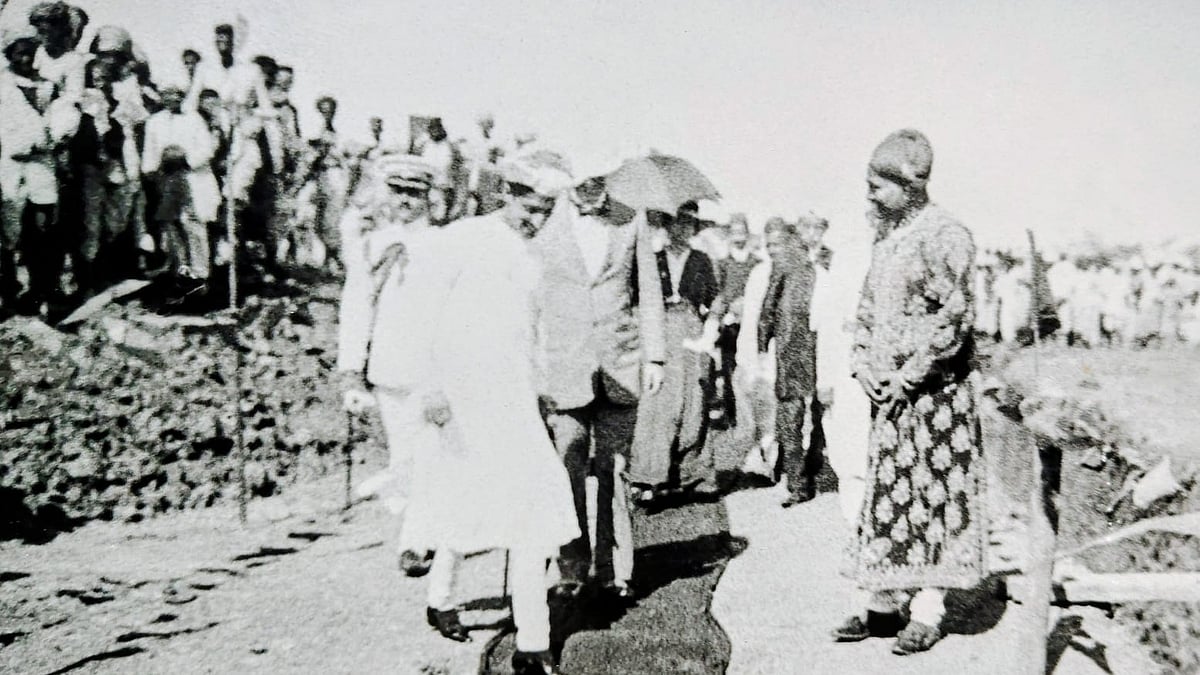
City historian Zafar Ansari said the foundation was laid in 1923 when Maharaja Tukojirao Holkar III allotted 333 acres for the establishment of the Indore Plant Institute.
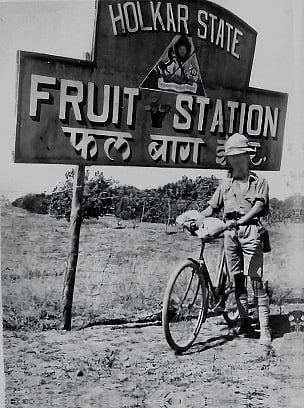
An Englishman standing with his bicycle in front of a Holkar State Fruit Station near Indore. Such fruit orchards supplied fresh produce to the public at affordable rates during the Holkar era. | Photograph from the collection of the Zafar Ansari Museum of Indore.
The institute became operational in 1924 and soon attracted British agricultural scientist Albert Howard, who had been sent to improve crop productivity in the region.The image, dated 1923, is from the collection of the Zafar Ansari Museum, Indore.
According to Ansari, Howard was impressed by the traditional farming practices of local cultivators and their understanding of soil fertility.
Instead of introducing foreign techniques, he worked alongside farmers and developed the globally renowned Indore Method of Composting, which became a model for sustainable agriculture worldwide.
The fertile black cotton soil of Malwa and Nimar, combined with scientific research at the institute, helped produce superior-quality cotton and other crops.
This agricultural success paved the way for the growth of major textile mills, including Hukumchand Mill, Holkar State Cotton Mill and Malwa United Mill, transforming Indore into one of Central India's leading industrial hubs.
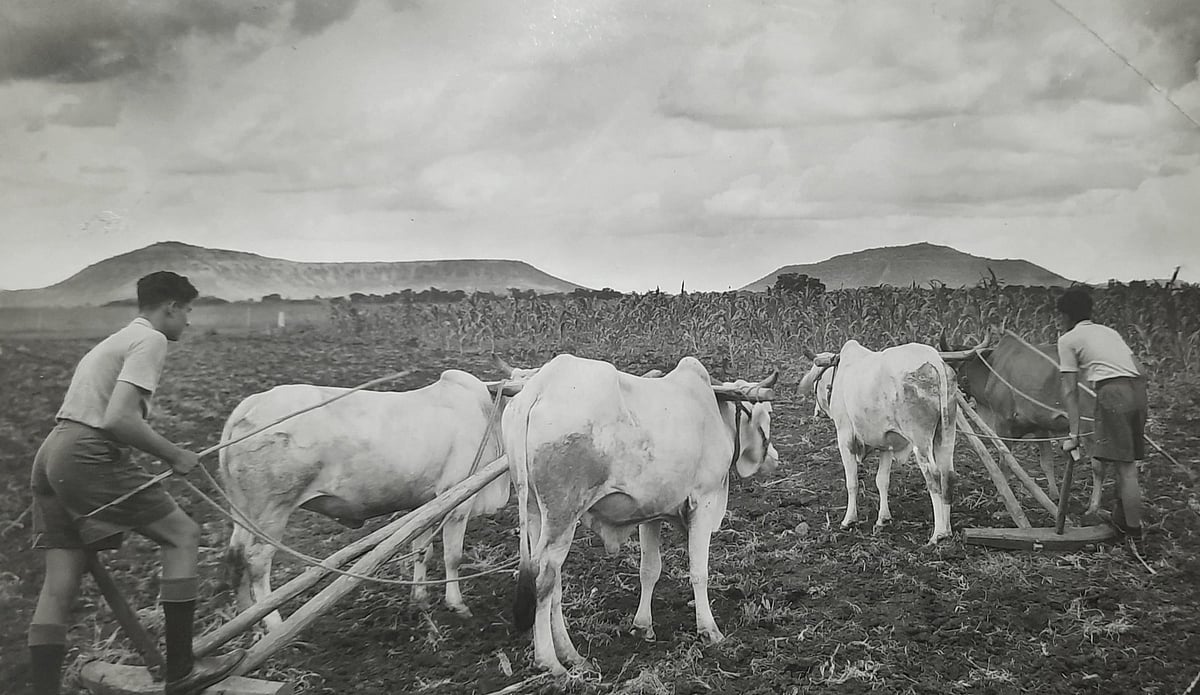
Young agricultural scientists of the Indore Plant Institute conducting research on cotton, wheat and maize. This rare photograph shows the Indore Plant Institute (later converted into an Agricultural College), with Ralamandal and Devguradia visible in the background. | Photograph from the collection of the Zafar Ansari Museum of Indore.
The Holkar State also promoted agricultural education in schools, established fruit orchards and encouraged modern farming practices.
In 1933, Indore launched a pioneering initiative to convert urban waste into organic manure for farmers, decades before waste-to-wealth and sustainability became global priorities.
Today, as the world focuses on climate-smart and organic farming, Indore's century-old contributions stand as evidence that the city was far ahead of its time in combining science, sustainability and productivity to create a model that continues to inspire agricultural development worldwide.
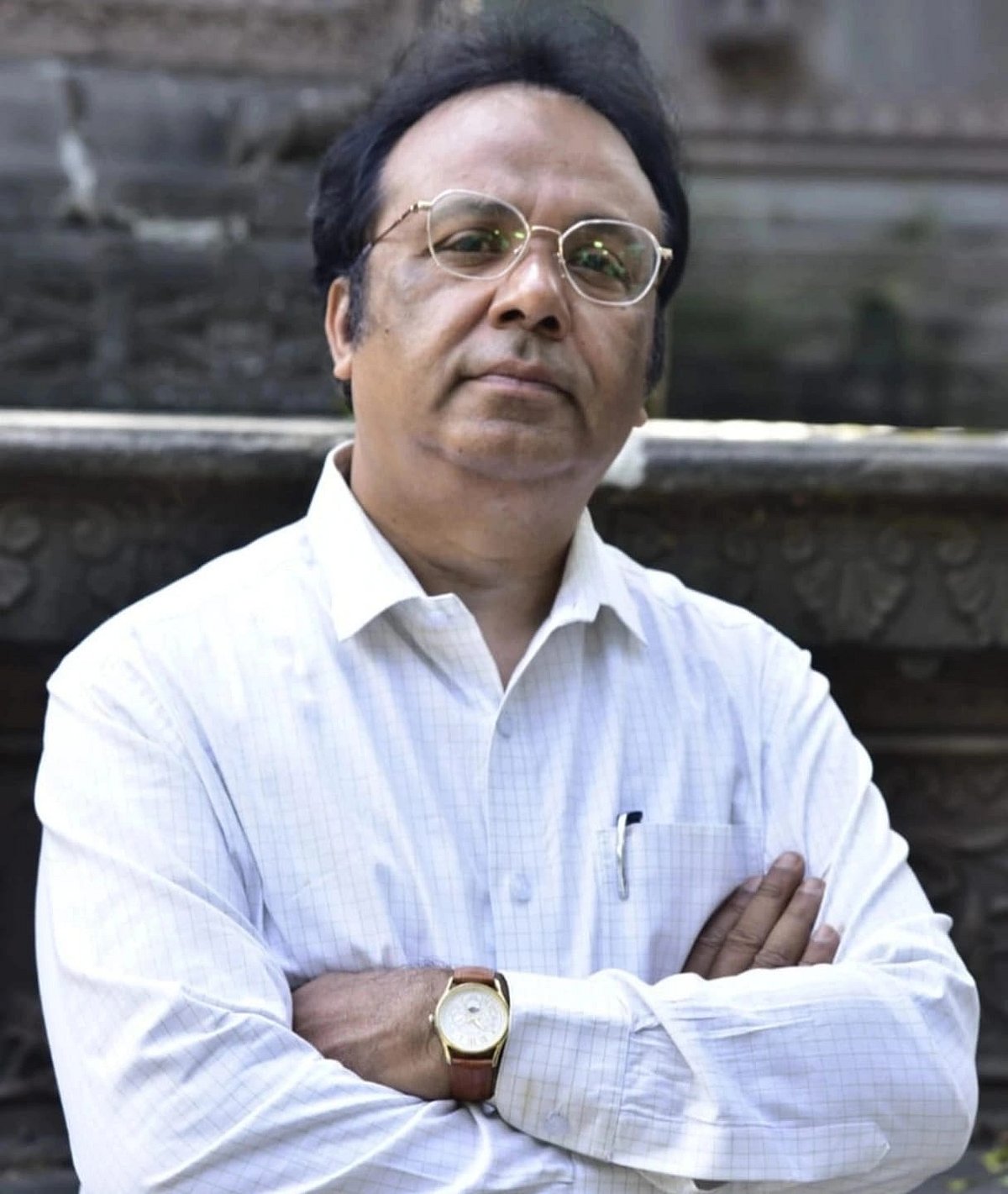
"Decades before organic farming became an international movement, the Indore Method promoted the recycling of farm waste, conservation of soil health and sustainable crop production. The technique was later adopted across Europe, Africa and other regions, earning Indore a permanent place in global agricultural history."
— Zafar Ansari, Historian

