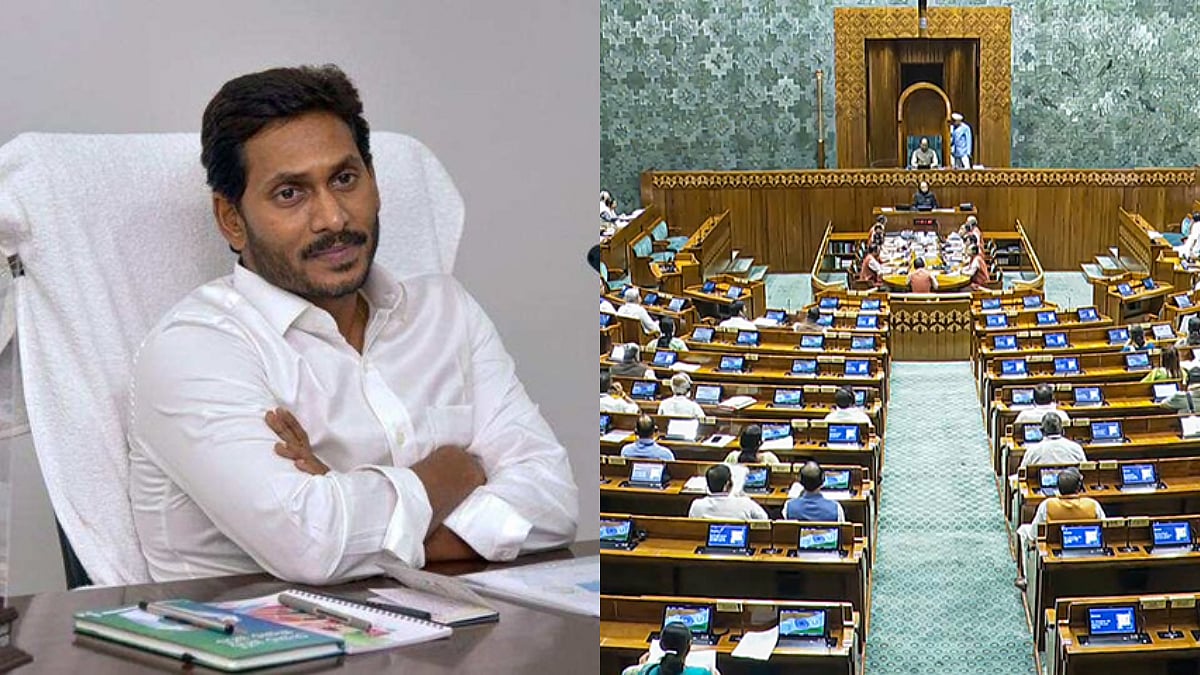
Amaravati: YSRCP leaders V Rajini and P Pushpa Sreevani on Friday said the party fully supports the Women’s Reservation Bill, describing it as a “historic step that will transform the political landscape of the country” by ensuring 33 per cent representation for women in legislative bodies.
The union government has tabled the Constitution (131st Amendment) Bill in the Lok Sabha, which provides for 33 per cent reservation for women in the Lok Sabha and state assemblies.
Addressing separate press conferences, the two former ministers expressed confidence that the bill will significantly enhance women’s participation in governance and decision-making.
A press release quoted former Minister Vidadala Rajini and former Deputy Chief Minister Pamula Pushpa Sreevani as reaffirming that the party fully supports the Women’s Reservation Bill.
According to the opposition leaders, YSRCP supremo and former Chief Minister Jagan Mohan Reddy had already set a “national benchmark” by implementing 50 per cent reservation for women during his tenure.
Calling it the "first such initiative in the country", they highlighted that Reddy had entrusted women with key leadership roles, including that of deputy CM and home minister.
Also Watch:
They noted that women constitute nearly 50 per cent of the population, about 40 per cent of the workforce, and 34 per cent of the IT sector, yet their representation in legislatures remains below 14 per cent, making the bill both necessary and long overdue.
Besides increasing women’s representation, Rajini and Sreevani emphasised that the bill would also empower women to raise their voices against injustice and actively participate in policymaking.
(Except for the headline, this article has not been edited by FPJ's editorial team and is auto-generated from an agency feed.)

