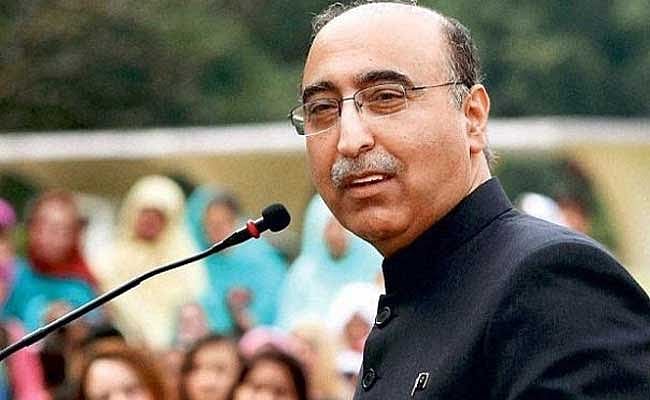
A startling remark by former Pakistan High Commissioner to India Abdul Basit has sparked widespread concern, after he suggested that Pakistan could target India in the event of a foreign attack. The statement, made during a discussion on a hypothetical conflict, has drawn attention for its direct reference to major Indian cities.
Basit said that if the United States were to attack Pakistan, retaliation could involve striking India, including cities such as Mumbai and New Delhi, without hesitation. Though he framed the scenario as a “worst case”, the specificity of his comments has led to heightened scrutiny.
‘Worst case’ framing fails to calm concerns
During the discussion, Basit repeatedly described the situation as unlikely, even calling it “out of the impossibility”. However, he continued to emphasise that Pakistan would respond strongly to any perceived threat.
He stated that if Pakistan were viewed with hostility, it would have no option but to respond, including targeting India wherever it deemed necessary. At the same time, he added that neither Pakistan nor India desired such an outcome.
Despite these caveats, the remarks have circulated widely, with many questioning the implications of such rhetoric, especially when it references specific locations.

Past diplomatic role adds weight
Basit’s comments have carried added significance due to his previous role in India. He served as Pakistan’s top diplomat in New Delhi between 2014 and 2017, a period marked by strained yet crucial engagement between the two neighbours.
His familiarity with India and involvement in bilateral relations have amplified reactions, as observers weigh the potential impact of statements made by former officials with direct diplomatic experience.
Regional tensions in the backdrop
The remarks come at a time of heightened geopolitical strain in the region. Pakistan’s relations with Afghanistan have recently come under pressure, with Afghan authorities accusing Pakistani forces of carrying out airstrikes in areas including Kabul, Kandahar and Paktika.
According to Taliban spokesperson Zabihullah Mujahid, civilian sites, including a rehabilitation facility, were affected. Reports have suggested casualties and damage, though independent verification remains limited.
Debate over rhetoric and responsibility
For many observers, what began as a speculative discussion has evolved into a broader debate about regional security and the language used by public figures. In a climate of existing tensions, even hypothetical statements can resonate beyond their original context.
There has been no official response from Indian authorities so far. However, the remarks have already sparked discussions across platforms, reflecting the sensitivity surrounding India Pakistan relations and the power of words in shaping public perception.
