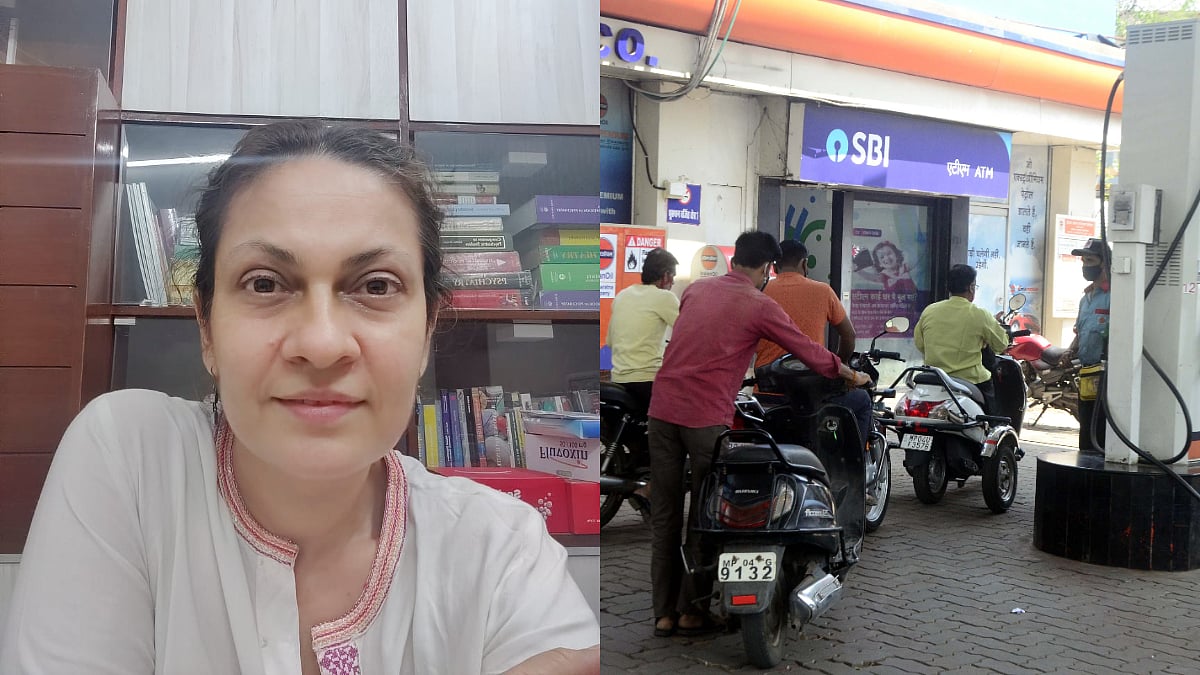
Fear of fuel shortages has gripped the nation, leading to a massive disconnect between government assurance and public action. Despite the Ministry of Petroleum insisting that stocks are stable—even with the supply chain disruptions caused by the US-Israel and Iran conflict—the sight of "serpentine queues" stretching past midnight has become the new normal, from the streets of Mumbai to every corner of India.
The public appears trapped in a "crisis loop," hauntingly reminiscent of the sudden pandemic lockdowns five years ago. Whether driven by a lack of trust in official channels or a "better safe than sorry" instinct, the government's message is struggling to land.
Breakdown of trust
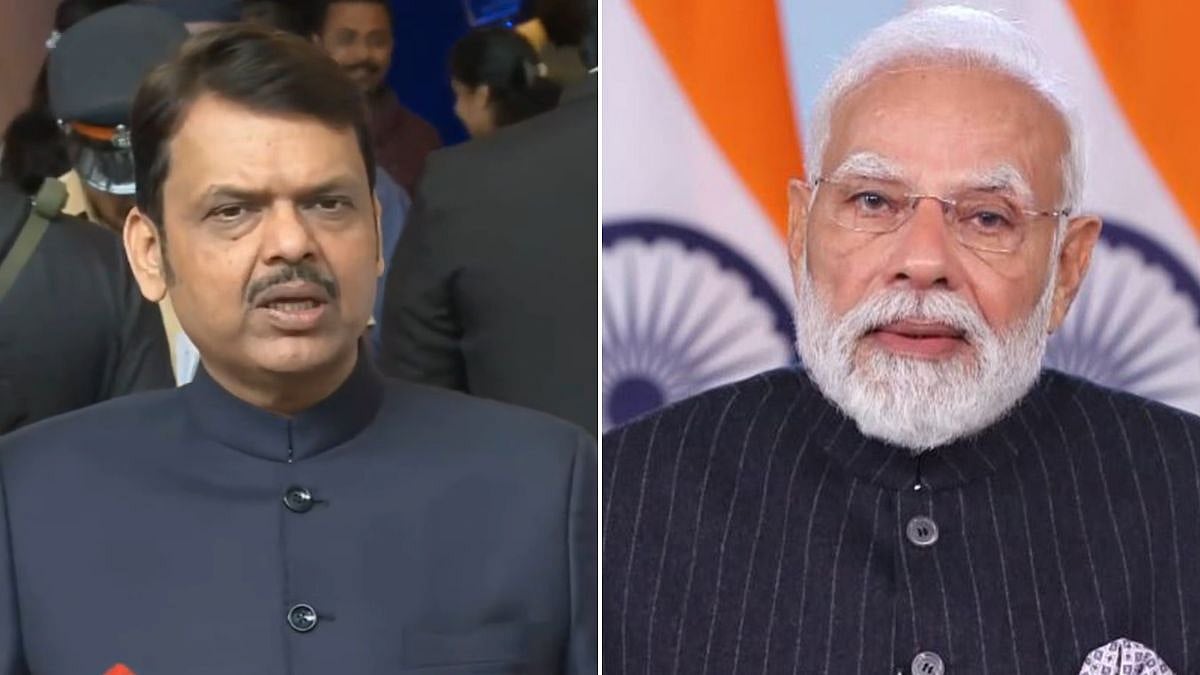
"I especially appeal to people not to form queues at petrol pumps. We have sufficient petrol and diesel stock for the next month," said Maharashtra Chief Minister Devendra Fadnavis on Friday.
Despite such high-level appeals, the warnings often fall on deaf ears. Even with a constant barrage of information and social media updates from oil marketing companies, the queues remain. Citizens seem determined to prioritise their own reserves over collective calm, regardless of what the authorities say.
In a candid discussion with The Free Press Journal, Dr Anshu Kulkarni, a psychiatrist at the SL Raheja Hospital – A Fortis Associate in Mahim, Mumbai analysed this particular crowd behaviour and why the collective psyche is currently hardwired to ignore official data.
"We humans like predictability. Certain changes may trigger a disturbance and a kind of panic driven by that lack of predictability. Now, when a change occurs, it brings about a fear response. In a state of fear, a person typically wants to salvage their own needs and becomes unable to consider collective needs. Furthermore, factual information may be missed or ignored due to excessive anxiety. It is more of a survival instinct that takes over," said Dr Kulkarni.
The psychiatrist believes that the memory of the pandemic lockdown remains too fresh in the public consciousness.
"Historically, there has been a lack of clear communication. For example, during the pandemic, a lockdown was suddenly announced one fine day. People were not prepared. Those memories are essentially trapped in our 'motherboard'," she explained.
While the public reacts to primal instincts, the government is leaning on fiscal mathematics to bridge the gap. Union Petroleum Minister Hardeep Singh Puri tweeted on Friday that the government has taken a significant hit on taxation revenues to offset the massive losses of oil companies—approximately Rs24/litre for petrol and Rs30/litre for diesel—amid skyrocketing international prices. To stabilise the domestic market, an export tax has been levied on refineries selling abroad.
"My gratitude to PM Narendra Modi and Union Minister Nirmala Sitharaman for this very timely, bold, and visionary decision," Puri added, referring to the slash in excise duty on petrol from Rs13 to Rs3 and diesel from Rs10 to zero.
However, the harsh reality of the COVID-19 era is difficult to erase. It remains highly unlikely that the public will prioritise the technicalities of tax structures over the immediate urge to fill their tanks. As Dr Kulkarni noted, the memory of the pandemic lockdown is simply too fresh.
Anatomy of a catastrophic mindset
"There was a lack of communication. People were not truly prepared, nor were they given time to prepare when the COVID-19 lockdown occurred. Consequently, one tends to focus on the bleakest, most catastrophic possibilities and prepares accordingly, a typical response to overt anxiety," the psychiatrist explained.
"We are currently flooded with information from social media, electronic media and Instagram handles. In such an environment, the most catastrophic news is usually what sticks," she added.
Dr Kulkarni further observed that global instability directly exacerbates local fear. "Significant global shifts, such as the mass migrations occurring in West Asia, are broadcast incessantly across media platforms. These images evoke a level of panic that makes it difficult for people to internalise the factual data offered by the government," she noted.
This panic is not confined to mofussil towns, remote regions, or Tier-2 cities. Even a global metro like Mumbai is witnessing a vehicular gridlock at petrol depots that rivals the claustrophobic crowd crunch of the city’s peak-hour local trains.
Also Watch:
Urban vs rural echo chamber
"The underlying mechanism is the same, whether in a rural or urban sphere," the psychiatrist explained. "In rural areas, people tend to discuss news among themselves, acquiring information through word-of-mouth and subsequently acting as a herd. In urban areas, people are often glued to social media handles. This constant, real-time monitoring significantly spikes anxiety. While the medium differs, the result is the same. The sheer volume of information being ingested exudes a high level of stress."
A prescription for calm
To combat this, Dr Kulkarni suggests a more disciplined approach to media consumption.
"It is advisable to consume news only from credible, legitimate platforms. Furthermore, one should check the news periodically rather than constantly. Scrolling every five to ten minutes does not help. It only evokes a sense of helplessness and triggers 'acting out' behaviours like joining a petrol queue out of sheer panic," Dr Kulkarni concluded.
To get details on exclusive and budget-friendly property deals in Mumbai & surrounding regions, do visit: https://budgetproperties.in/
