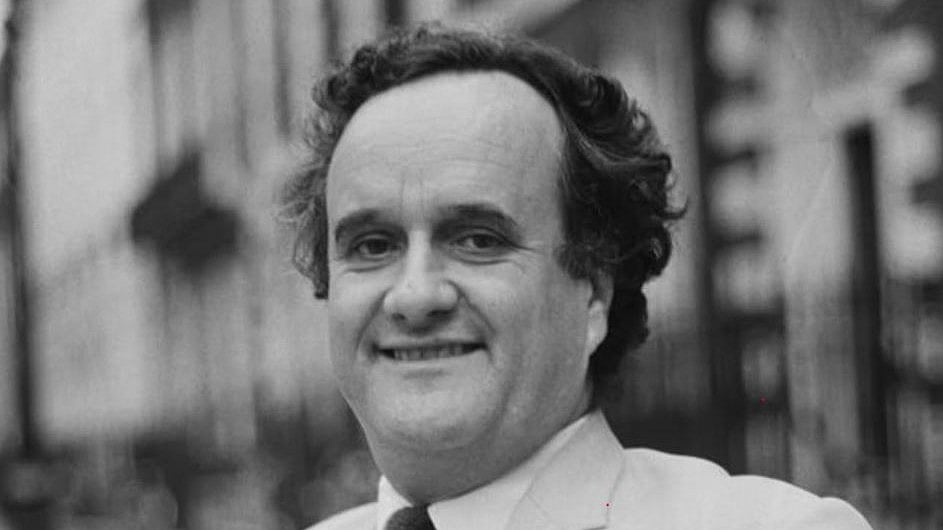
Veteran broadcaster and journalist Sir Mark Tully, long regarded as the BBC’s “voice of India,” passed away in a private hospital in Delhi on Sunday after a brief illness. He was 90. For millions of Indians, he was the calm, credible voice that explained India to the world, and often to Indians themselves.
Born in Britain, Tully arrived in India as a young correspondent but never treated the country as a posting. He made Delhi his home, learned its rhythms and contradictions, and reported on its politics and society with a sensitivity that few outsiders achieved. From elections and emergencies to communal tensions and social change, he covered India’s most complex moments with balance rather than noise.
He served as the BBC’s New Delhi Bureau Chief for 20 years and spent nearly three decades with the organisation. In an era before social media and instant news, his reports travelled on magnetic tapes and crackling radio signals, yet his credibility travelled faster. The UNESCO Courier once described him as a “living witness” to the golden age of radio journalism.
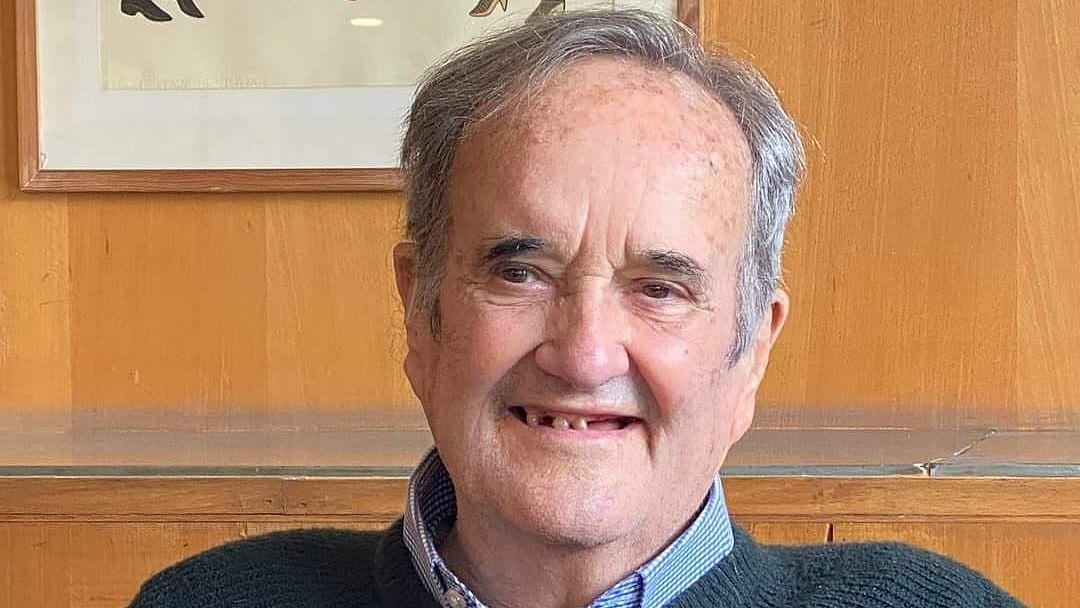
Beyond broadcasting, Tully was a gifted writer. He authored nine books, including the widely admired No Full Stops in India, which explored the country’s unfinished, evolving story with rare insight. His work helped readers understand not just events, but the soul behind them.
Over the years, he received several honours, including the Padma Shri, in recognition of his contribution to public life in India. But his greatest achievement was intangible, the trust of his audience.
Mark Tully believed journalism was not about shouting first, but about getting it right. And that is how he will be remembered.
Following his death, tributes poured in from across the political and media spectrum. Journalists, scholars and public figures remembered him as fearless, compassionate and deeply committed to truth. Many said he loved India deeply, yet never stopped holding power to account.

