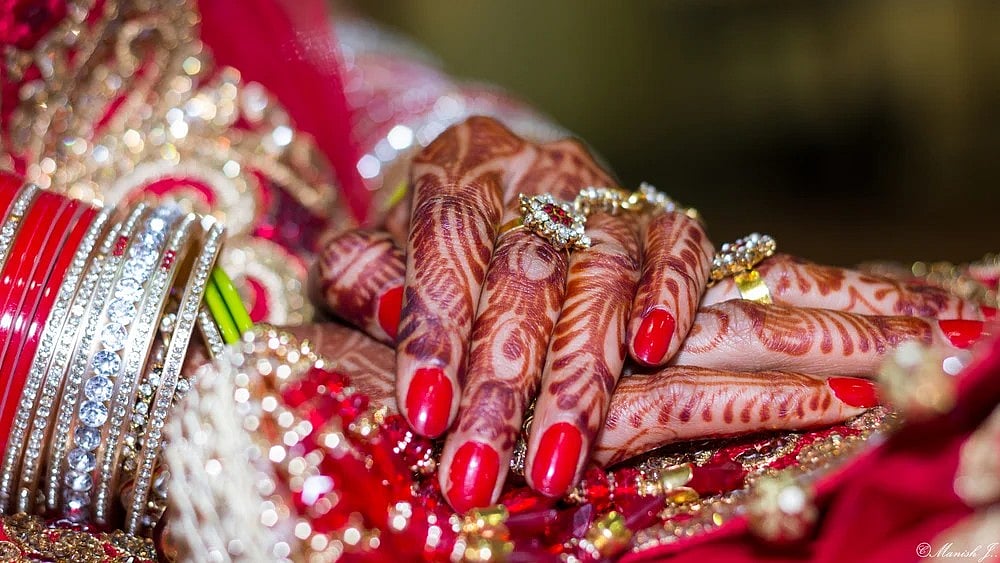
Dehradun: In a rare move blending tradition with financial restraint, the Gram Sabha of Kandhar village in Uttarakhand’s Jaunsar-Bawar region has passed a bylaw restricting the amount of jewelry women can wear during wedding ceremonies.
Under the new rule, brides and women attending weddings can wear only three gold ornaments — a nose stud, earrings, and a mangalsutra. Any violation of this rule will attract a fine of Rs 50,000.
The decision, passed unanimously in the village council meeting, is aimed at reducing extravagant spending and easing social pressure on families who struggle to match wealthier households during marriage functions.
Village elders and local leaders said the resolution reflects a collective effort to promote equality and discourage the competitive display of wealth. The bylaw, now officially recognized by the Gram Sabha, is seen as a step toward restoring simplicity in social customs.
Residents said rising costs of weddings and the expectation to display gold jewelry had become a financial burden for many households, often leading to debt and distress. The community’s decision, therefore, seeks to maintain the sanctity of traditional practices while protecting families from economic strain.
While details about the endorsing officials have not been made public, the Panchayat and Gram Sabha members are understood to have jointly formalized the decision. Local sources said the bylaw had broad support from both men and women in the village.
Officials and social observers view Kandhar’s move as a unique example of self-regulation through grassroots governance. It highlights how communities in remote hill regions are evolving their customs to balance cultural identity with economic sustainability.
This initiative could set a precedent for other villages in the state to adopt similar measures, addressing rising social inequality and reinforcing the spirit of collective responsibility in community life.

