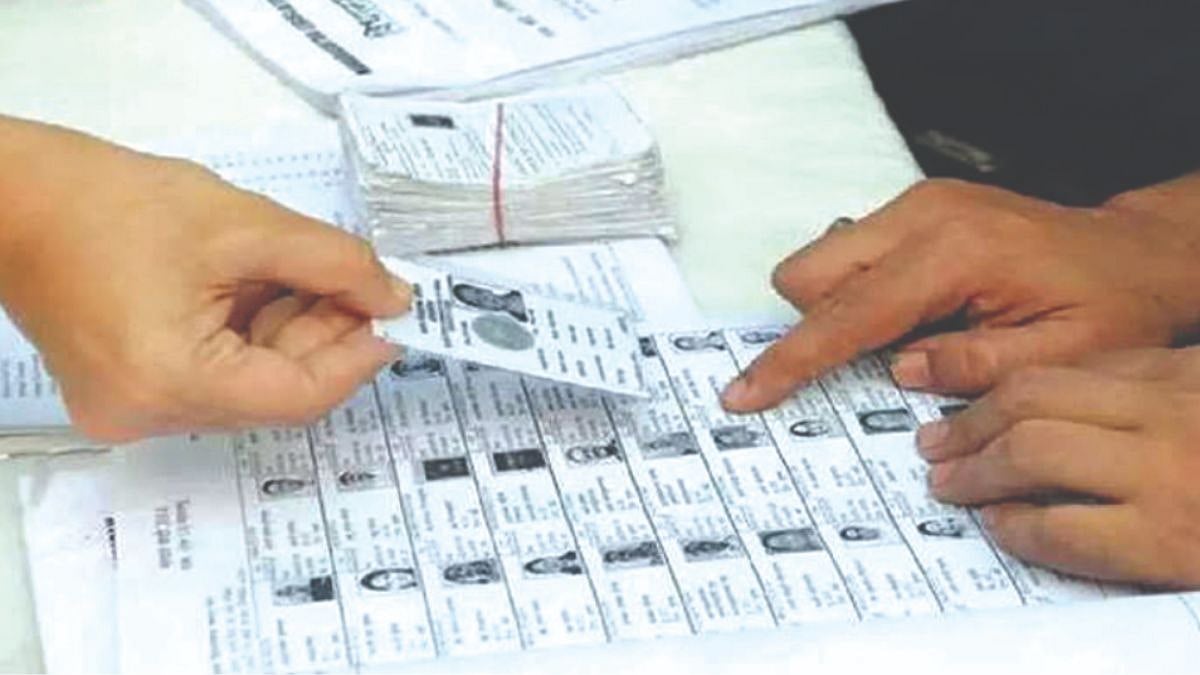
Lucknow: Uttar Pradesh has launched an extensive verification campaign to track illegal Bangladeshi and Rohingya settlers after intelligence inputs indicated a steady rise in forged identities and organised infiltration networks across several districts. The drive, initiated on the instructions of Chief Minister Yogi Adityanath, aims to identify foreign nationals living illegally, move them to detention centres and complete nationality verification before deportation.
Officials say the scale of the problem has grown over the past two years, with multiple ATS operations exposing organised gangs that not only facilitated cross-border entry but also arranged Indian identity papers and engaged in human trafficking. The UP ATS has arrested nearly 200 Bangladeshi and Rohingya nationals in the past eight years, yet agencies believe many more are living across the state using forged ration cards, Aadhaar and even voter IDs.
In 2023, the ATS arrested Mohammad Arman alias Abu Talha and Abdul Amin from Ballia for allegedly arranging infiltration, securing Aadhaar and passports, and sending foreign nationals abroad. The same year, 74 Rohingya citizens were arrested in a statewide operation, during which several individuals who had crossed into India from Myanmar were caught.
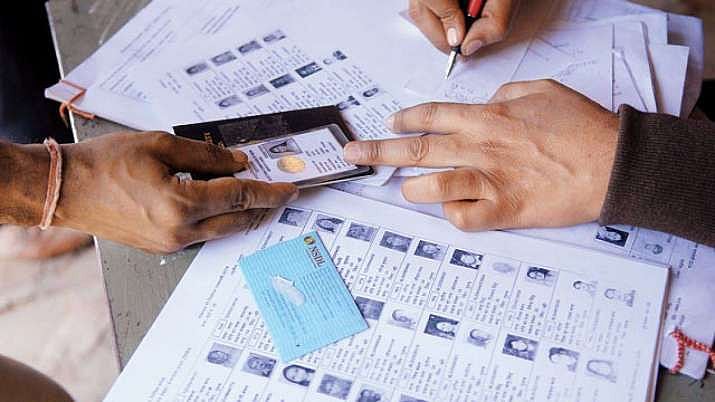
Authorities have found that the issue is no longer limited to major cities like Lucknow, Noida and Ghaziabad. Illegal settlers have created clusters in smaller districts by blending into the local population through low-wage jobs such as sanitation work, scrap collection, domestic labour and rickshaw pulling. Many live in slums, makeshift huts or on the edges of railway lines and riverbanks, making identification difficult.
In Jhansi, the police moved swiftly after the Chief Minister’s directive, initiating verification of 875 outsourced sanitation workers of the municipal corporation. The Local Intelligence Unit is cross-checking their records, while district teams have been ordered to submit their findings to the government within a week.
SSP BBGTS Murthy said recent inputs suggested that several infiltrators living in the city had obtained forged identity documents and even enrolled themselves in the voter list. Police teams are now combing slum settlements to detect such individuals.
Agra police have also intensified surveillance. The city has witnessed several instances of Bangladeshi settlements in Sadar and Sikandra areas. Officials are re-examining people connected with previously arrested suspects. In 2017, Fatima, a Bangladeshi woman involved in a fake currency network, was detained in the Etmaduddaula area and questioned by the NIA and ATS. In February 2023, 28 Bangladeshi nationals were arrested from a settlement in Sikandra after being found with forged Aadhaar and PAN cards. Eighteen of them have since been convicted and sentenced to three years in prison.
Verification drives now require district authorities to record who is living in each settlement, whether their stay is temporary or permanent, the reasons for their presence and whether they are alone or with families. Police have been instructed to pay special attention to people living near railway tracks, open fields, riverbanks and roadside slums. Information is also being gathered about Bangla-speaking workers employed in scrap trading, sanitation work, meat units and domestic labour.
Intelligence agencies believe many illegal entrants operate scrap-dealing networks to avoid detection. These groups often live together and create makeshift colonies, securing forged documents with the help of local intermediaries.
The establishment of detention centres is expected to accelerate the state’s effort to process and deport illegal foreigners. Officials say verification will intensify across all districts in the coming weeks as the government prepares a detailed statewide report on illegal settlers.
