
The Supreme Court on Friday, October 9, dismissed a petition seeking an independent investigation into first information reports (FIRs) registered by the Delhi Police against students who participated in the July protests at Jantar Mantar. The court observed that the petition effectively sought a review of its earlier decision to quash the cases against the protesters.
A bench comprising Chief Justice of India Surya Kant, Justice Joymalya Bagchi and Justice V Mohana heard the public interest litigation (PIL) filed by L Ramanathan. The petitioner argued that police functions were independent and sovereign and that courts should not interfere with investigations unless the police had acted against the law, Live Law reports.
‘We Must Think About Their Future’: CJI
During the hearing, the Chief Justice defended the court’s earlier decision to invoke Article 142 of the Constitution to quash the FIRs. He said the court had considered the age of the protesters, their families and the possible impact of criminal proceedings on their future.
“You say we should not have invoked Article 142 and quashed FIRs. Please appreciate, these are young students. We have to see their parents, their future. We don’t want them to have to come to court,” the Chief Justice observed.
Advocate Mathews J Nedumpara, representing the petitioner, questioned the maintainability of public interest litigation when the people directly affected were not before the court. He remarked that some people approached the Supreme Court as though it were their “private property”.
The exchange brought into focus the question of how far courts should intervene in police investigations, particularly when criminal proceedings involve young protesters. The Chief Justice’s remarks also highlighted the importance the bench placed on protecting students from the long-term consequences of such cases.
Court Cites Himachal Pradesh Protest Cases
The Chief Justice also referred to a recent Supreme Court order quashing criminal cases arising from public protests in Himachal Pradesh during the Covid pandemic.
“In Himachal Pradesh, they sat on dharna, they caused loss to public property. But when there was Covid, people of this country were not ready to face this kind of crisis, so people reacted in a way they could react,” he remarked.
The Chief Justice noted that the High Court had refused to quash the FIRs in those cases. However, the Supreme Court subsequently intervened after considering that the protesters were young students rather than hardened criminals.
The reference reflected the court’s approach of considering the circumstances surrounding protests and the possible consequences of criminal prosecution before deciding whether cases should continue.
Petition Seen As Challenge To Earlier Order
The bench observed that the relief sought by Ramanathan was essentially a challenge to its September 1 order quashing the FIRs related to the student protests.
“Your client should see our order. This petition is like seeking review of our order (quashing FIRs by invoking Art. 142),” the Chief Justice told Nedumpara.
The court dismissed the petition, making it clear that the request for an investigation could not be considered separately from its earlier decision to quash the cases.
Notably, Ramanathan had filed the petition before the Supreme Court passed its September 1 order. The subsequent quashing of the FIRs became central to the court’s decision on Friday.
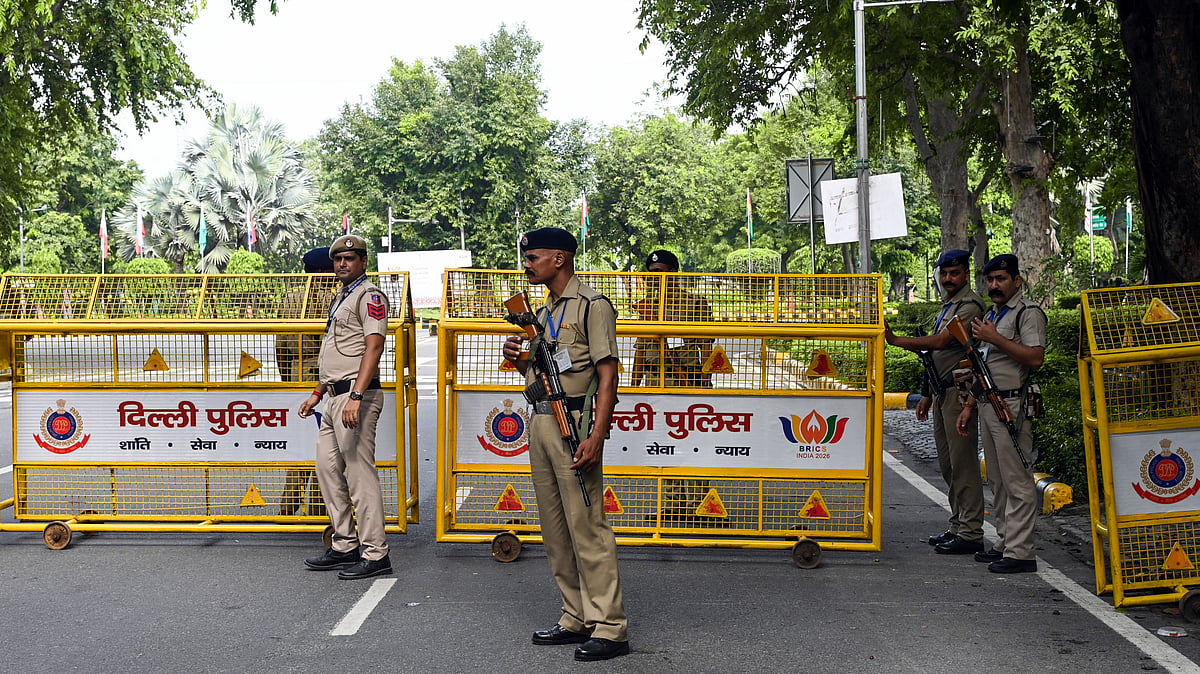
What Triggered The Jantar Mantar Protests?
The case arose from the July 20 “Sansad Chalo” demonstration organised by the Cockroach Janta Party (CJP) over the National Eligibility cum Entrance Test (NEET) paper leaks and alleged irregularities in the education system.
Following the demonstration, the Delhi Police registered multiple FIRs against students and others over allegations of violence during the protests.
The police action triggered widespread public outrage, following which the Supreme Court clarified on August 3 that authorities could close or withdraw FIRs registered against students in connection with the demonstrations.
The withdrawal of these cases was also a precondition agreed to by the Union government during negotiations with CJP leaders to bring the nationwide protests to an end.
Also Watch:
What Did The Petitioner Demand?
Ramanathan sought a declaration that the police, like the judiciary, were sovereign and independent in maintaining law and order, investigating crimes and bringing offenders to justice.
The petitioner argued that police investigations should remain free from judicial interference unless the police had acted contrary to law. According to the petition, whether the police had violated the law was a disputed question of fact.
The plea also sought directions to the Union government, the Delhi Police Commissioner and the Delhi government to ensure that investigations into the Jantar Mantar protest FIRs were conducted independently, fairly and in accordance with the law.
However, with the Supreme Court having already quashed the FIRs, the bench found that the petition effectively sought reconsideration of its previous ruling.
The dismissal underscores the court’s decision to stand by its earlier intervention, in which the future of young protesters was a key consideration.

