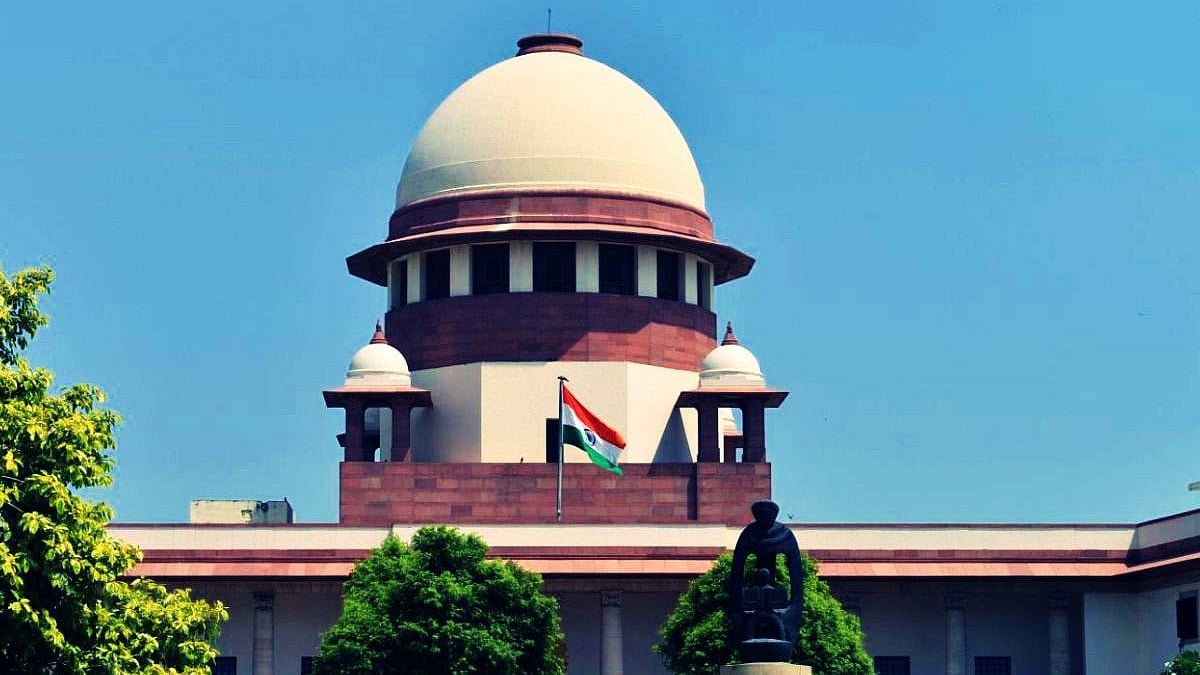
The Supreme Court on Thursday issued a strong warning against the unverified use of Artificial Intelligence (AI) in legal proceedings, setting aside a National Company Law Tribunal (NCLT) order after finding it relied on fake and AI-generated judicial precedents.
A Bench comprising Justices PS Narasimha and Alok Aradhe ruled that courts and advocates must adopt a "zero-tolerance" approach towards citing or relying on AI-generated judgments without proper verification. The observations came while hearing an appeal in the insolvency proceedings involving Essel Infraprojects Ltd.
The apex court held that citing fabricated or hallucinated AI-generated precedents amounts to professional misconduct by advocates. It further observed that it is a serious lapse if judges rely on such material while deciding cases.
The Bench declared that any judgment influenced, even partially, by fake AI-generated citations cannot be treated as a valid judicial decision and must be set aside, saying it undermines the integrity of the legal process and the rule of law.
However, the court clarified that its ruling does not prohibit the legitimate use of AI in the legal field. Instead, it is aimed solely at preventing the presentation or reliance on fabricated material as authentic court precedents.
The Supreme Court also questioned how the fake citations escaped scrutiny before the appellate tribunal and directed the Bar Council to treat the matter with utmost seriousness.

