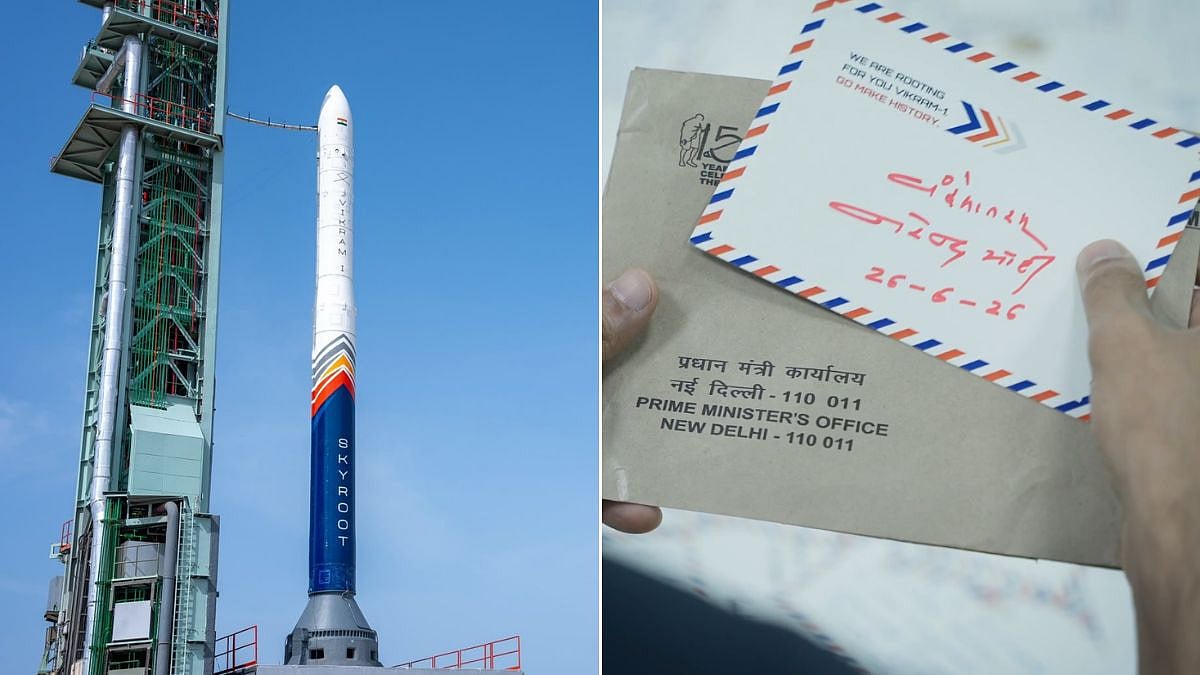
New Delhi: Hyderabad-based space startup Skyroot Aerospace is set to create history on Saturday with the launch of its first orbital launch vehicle, Vikram-1, marking a major milestone for India’s rapidly expanding private space sector.
The mission, named Mission Aagaman, is scheduled for lift-off at 11:30 A.M. from the First Launch Pad at the Satish Dhawan Space Centre (SDSC-SHAR) in Sriharikota, Andhra Pradesh.
The test flight of Vikram-1 is expected to mark India’s entry into the global private orbital launch market. Developed entirely by a private Indian company, Vikram-1 is the country’s first privately built orbital launch vehicle and represents a significant step towards strengthening India’s commercial space capabilities.
Ahead of the launch, Skyroot Aerospace said all necessary airspace and maritime clearances have been secured. Authorities have also notified restricted airspace and maritime zones along the rocket’s flight path and impact corridor to facilitate the mission.
Mission Aagaman will be Skyroot’s second space mission after the successful launch of the Vikram-S suborbital rocket on November 18, 2022.
Adding a symbolic touch to the landmark mission, Prime Minister Narendra Modi’s handwritten postcard bearing the words “Vande Mataram” will travel to space aboard Vikram-1. Skyroot Aerospace announced that the Prime Minister’s handwritten message will be among several special payloads carried on the test flight.
The company said the mission will also carry handwritten notes from members of the Skyroot team, investors, policymakers and well-wishers from across the world. Describing the initiative as “a celebration carried by many hands and shared by millions,” Skyroot said the keepsakes represent the collective support and aspirations behind India’s emerging private space ecosystem.
According to the company, the symbolic payloads reflect the shared vision and collaborative efforts that have helped shape India’s new era in space exploration and innovation.
The successful launch of Vikram-1 is expected to further strengthen India’s position in the global space industry by showcasing the capabilities of the country’s private space enterprises and opening new opportunities in the commercial satellite launch market.
(Except for the headline, this article has not been edited by FPJ's editorial team and is auto-generated from an agency feed.)

