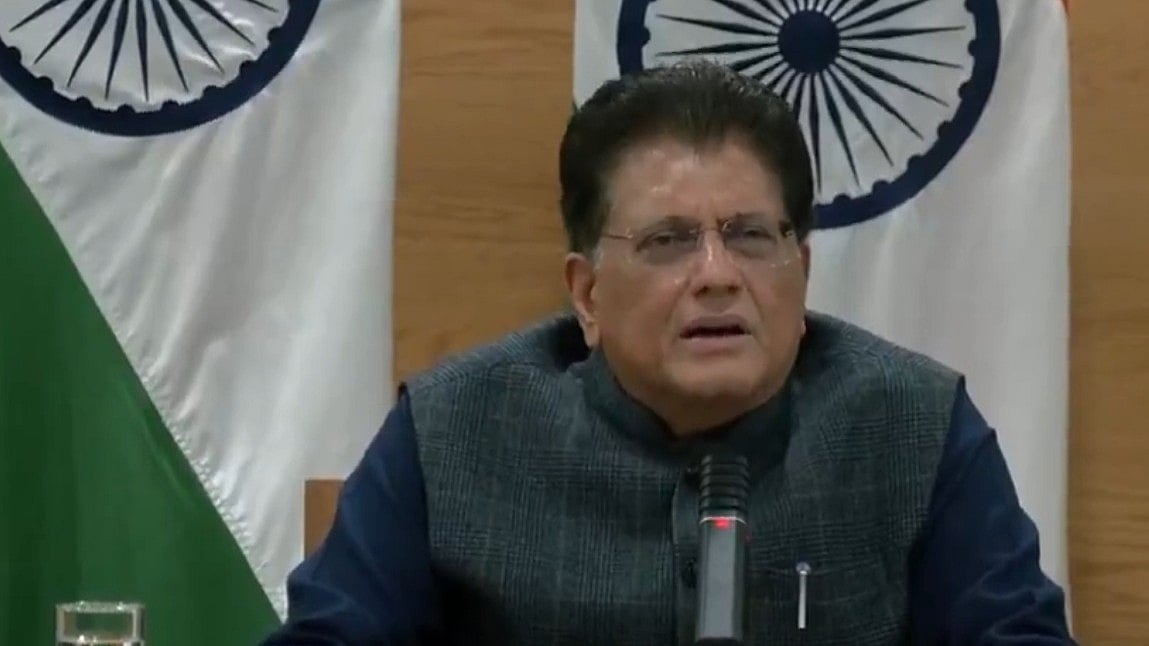
Union Minister for Commerce and Industry Piyush Goyal on Friday addressed the implications of a recent US Supreme Court ruling on the bilateral trade agreement, emphasising that India remains agile in its negotiations.
A strategy of "wait and watch"
Speaking at a CNN-News18 event, Goyal noted that while the US remains a vital strategic and technological partner—particularly within the context of the Quad—the situation is currently "evolving." He assured that the Indian government is in active dialogue with US officials to ensure national interests remain protected.
On February 20, the US Supreme Court struck down the legal framework supporting the expansive tariff agenda of the current US administration.
The rebalancing act
Goyal was candid about the potential for structural changes to the trade deal stating that should the circumstances change, the deal will be rebalanced.
According to the minister, international trade is less about specific tariff percentages and more about securing a comparative advantage over global competitors.
He noted that India previously faced a steep 50 per cent tariff, which placed it at a severe disadvantage. Negotiated reductions have already provided significant momentum for India’s key exports, including agriculture, handicrafts, diamonds and pharmaceuticals.
Despite the legal shifts in US, Goyal expressed confidence that India’s exports will see a year-on-year increase.
Trade as a pillar of 'Viksit Bharat'
The minister framed these trade negotiations as a cornerstone of the Prime Minister Narendra Modi’s vision for a developed India by 2047.
He argued that no nation has achieved developed status without robust international alliances and partnerships. Goyal highlighted a strategic shift in India’s global standing, moving from a "voice of the Global South" to a nation that engages developed powers from a position of strength.
By focussing on macroeconomic stability and purging the inefficiencies of previous administrations, he asserted that India is now equipped to build win-win scenarios that benefit domestic farmers, MSMEs and the youth.

