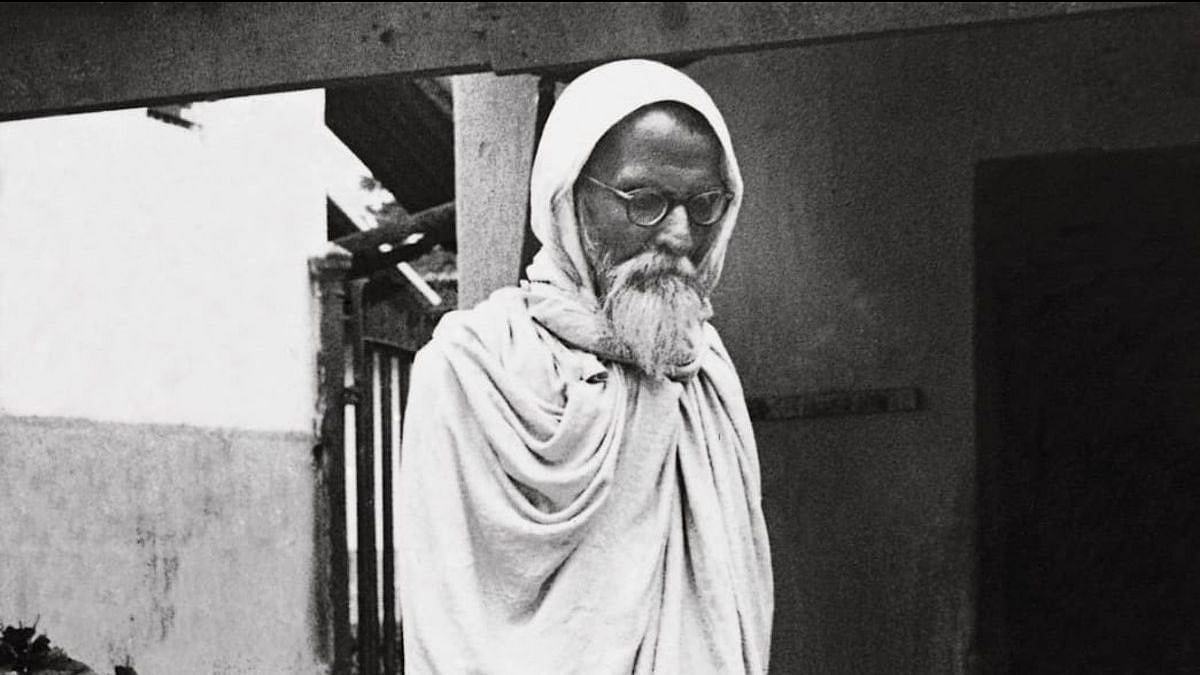
The Bhoodan (Land Gift) movement, often known as the Bloodless Revolution, was an Indian voluntary land reform campaign.
It was started in 1951 by Gandhian Vinoba Bhave in Pochampally village, Pochampally. Bhave was philosophically influenced by the Sarvodaya movement and
Congress had backed the movement. JP Narayan also left active politics in 1953 to join the Bhoodan movement.
What was the Bhoodan movement?
The Bhoodan movement was aimed at persuading wealthy landowners to give up a portion of their property voluntarily to landless people.
Landless labourers were given tiny parcels of land on which to dwell and raise their crops. Bhoodan Acts were passed, which specified that the beneficiary had no authority to sell or utilise the property for non-agricultural or forestry reasons.
Section 25 of the Maharashtra State Bhoodan Act, for example, provides that the beneficiary (who must be landless) may only cultivate the land for subsistence purposes. If the "owner" fails to cultivate the land for more than a year or attempts to utilise it for non-agricultural purposes, the government has the authority to seize it.
Over the last six decades, the government has distributed approximately 971,000 ha of bhoodan land to the landless.
The movement later evolved into the Gramdan (village in gift) movement, in which the entire or a significant portion of a village's land was donated by at least 75% of the residents for equal distribution among all village residents.
Tribal areas, which are currently undergoing aggressive land acquisition, were active participants in the Gramdan movement. Both movements eventually died, but they left behind a land bank.

