New Delhi: Amid disruptions in the global energy supply chain, the Ministry of Petroleum and Natural Gas on Monday assured citizens that crude oil inventories remain stable, refineries are operating at optimum levels, and there are no fuel shortages across the country.
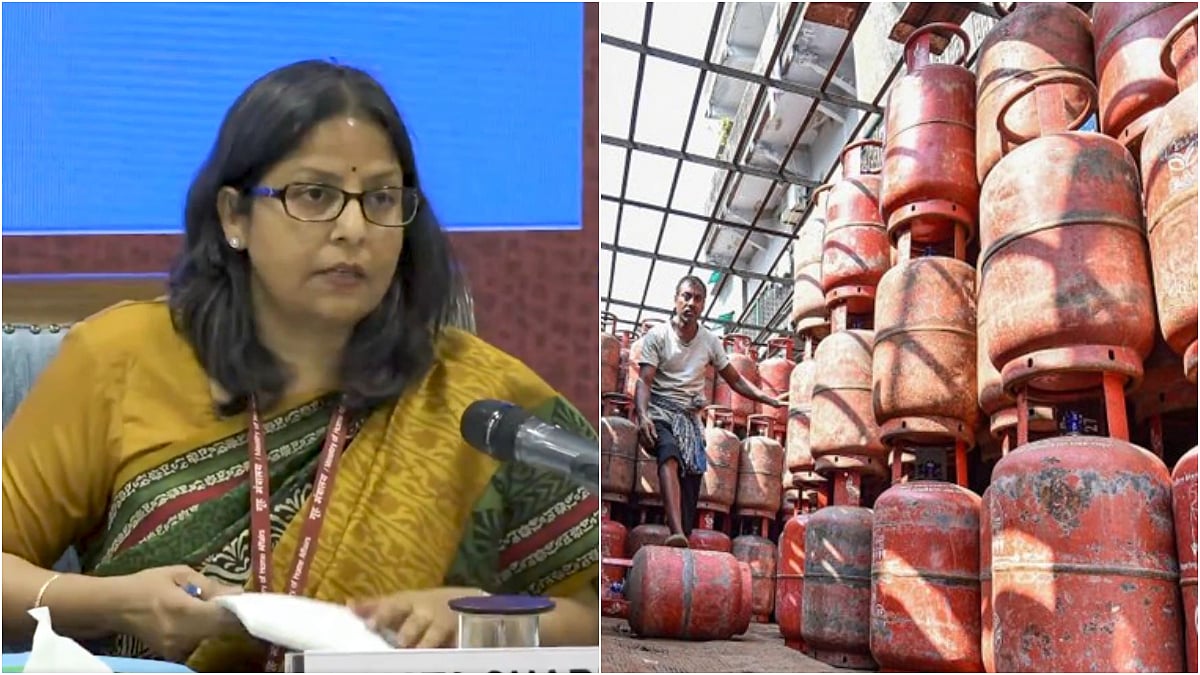
Addressing an inter-ministerial briefing in the national capital, Sujata Sharma, Joint Secretary (Marketing & Oil Refinery) in the Ministry of Petroleum and Natural Gas, said the government has taken several effective measures to ensure uninterrupted fuel supplies for consumers.
"There have been disruptions in the global energy supply chain across the world. Significant price volatility is being observed in the international market. However, the Government of India has taken several effective measures and has strived to ensure that fuel supplies are maintained for the common consumer with minimal inconvenience," Sharma said.
Sharma further said crude oil inventories remain stable, refineries are operating at optimum levels, and adequate stocks of petrol, diesel and LPG are available across the country with no reported dry-outs.
"As a result of all these steps taken, our crude oil inventory remains well-maintained. Our refineries are operating at optimum levels. There are no instances of dry-outs at any retail outlets. Nor have any dry-outs been reported at LPG distributorships. Adequate stocks of petrol and diesel are available, and LPG supplies for domestic cooking purposes are being maintained," she said.
Highlighting the supply position, Sharma said that over the past three days, 1.26 crore LPG cylinders had been delivered to households against 1.14 crore bookings.
"Similarly, sales of commercial LPG have exceeded 17,000 tonnes over the last three days. Sales of Auto LPG have also surpassed 762 tonnes," she added.
Sharma also echoed Prime Minister Narendra Modi's seven appeals to citizens to reduce fuel consumption and adopt energy-saving measures in their daily lives.
"I would like to convey to you that the Prime Minister has urged all citizens of the country to reduce their consumption of petrol and diesel. Wherever possible, utilise the metro and public transportation; opt for carpooling; prioritise railways as a mode of transportation for goods; and wherever feasible, increase the usage of electric vehicles," she said.
"Let us all come together and make every possible effort to conserve energy in our daily lives, so that the economic burden currently weighing upon the nation may be alleviated," Sharma added.
Also Watch:
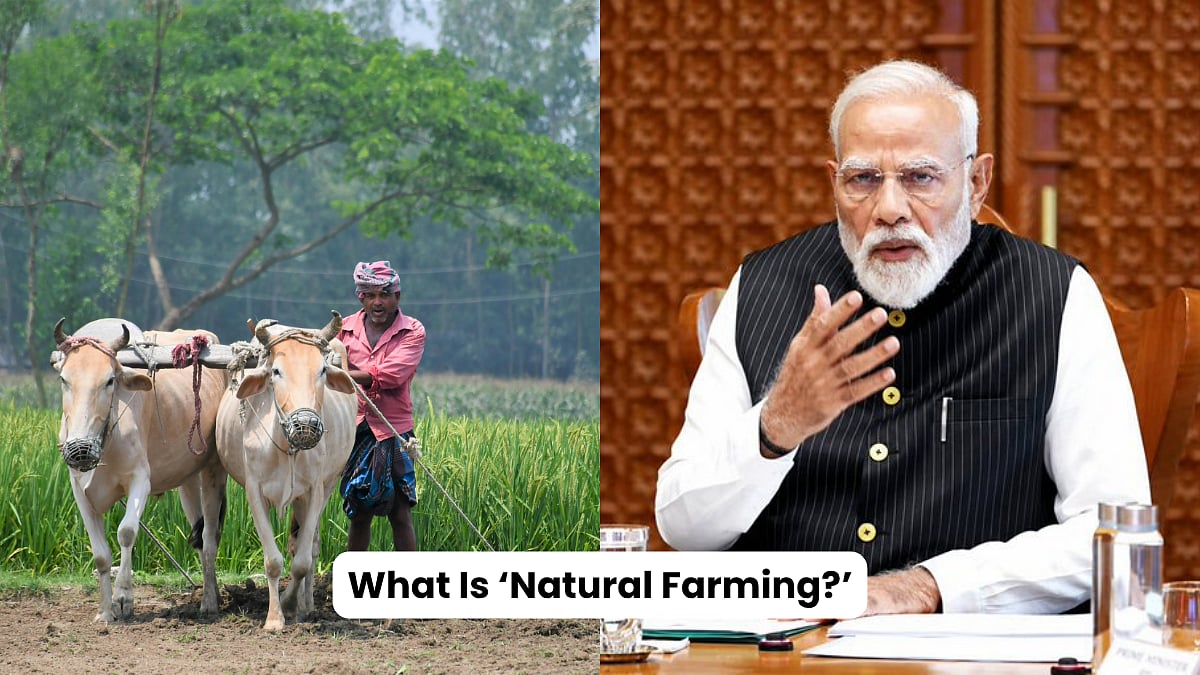
PM Modi, while addressing a gathering in Secunderabad on Sunday, urged citizens to prioritise work from home, cut fuel consumption, avoid foreign travel for a year, adopt Swadeshi products, reduce cooking oil use, shift to natural farming and curb gold purchases.
He stressed the need to reduce dependence on imports and said every household should cut down on edible oil consumption and move towards natural farming to help save foreign currency and protect the environment.
Highlighting the burden of fertiliser imports, the Prime Minister said India spends a significant amount of foreign exchange on importing chemical fertilisers and urged farmers to reduce their usage.
To combat the volatility of fuel prices, PM Modi urged a shift in how India moves. He urged citizens to reduce petrol and diesel consumption by using the metro and public transport wherever available, opting for car-pooling when private vehicles are necessary, preferring railway transport for the movement of goods, and increasing the use of electric vehicles wherever possible.
(Except for the headline, this article has not been edited by FPJ's editorial team and is auto-generated from an agency feed.)

