The Ministry of External Affairs (MEA) on Tuesday rubbished China's objections to India's decision to assign standardised names to 28 strategic locations and geographical features in Ladakh, reiterating that the Union Territory is an integral and inalienable part of the country.
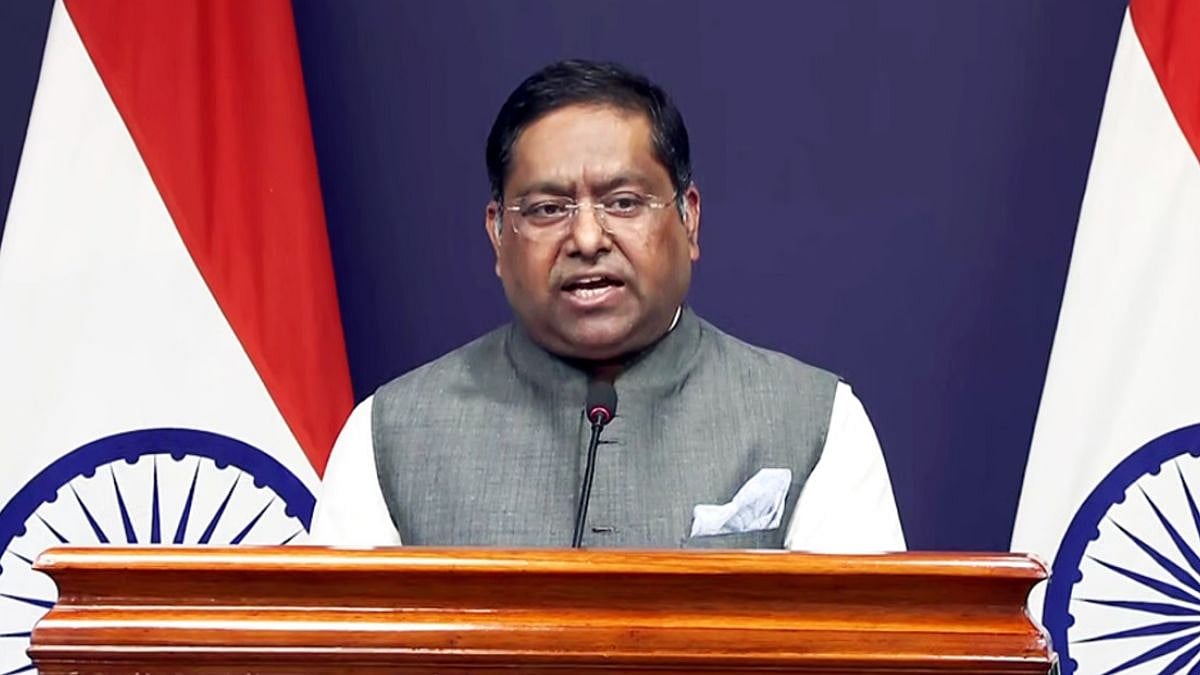
Responding to media queries on China's remarks, MEA spokesperson Randhir Jaiswal said Beijing's denial would not alter India's territorial position.
"It is reiterated that the UT of Ladakh is an integral and inalienable part of India. No amount of denial by the Chinese side can change this established fact," Jaiswal said.
Clarifying the Centre's decision, he said the Ministry of Home Affairs' announcement was self-explanatory and stated that the 28 locations had been identified using standard place and feature names on the official Survey of India map in consultation with the Ladakh administration and local stakeholders.
The exercise aims to facilitate accurate identification of the locations and improve public awareness, he added.
China opposes India's move
Earlier on Tuesday, China strongly opposed India's move, claiming that the areas belonged to it. Chinese Foreign Ministry spokesperson Mao Ning said Beijing had never recognised the Union Territory of Ladakh and described India's decision to standardise the names as "illegal and void".
She also asserted that the western sector of the China-India boundary belonged to China.
India formally announced the identification of the 28 locations on October 2. The list includes Gogra and Hot Spring, which emerged as key friction points during the 2020 military standoff between Indian and Chinese troops in eastern Ladakh.

Other locations include Kuksel, Chapchingal Pass, Kanishka Peak, Zorawar Peak, Parpik Glacier and Shachmirik Pass.
The border standoff began in May 2020 following a violent clash near Pangong Lake. Both countries initiated disengagement at several friction points in 2022, although the boundary dispute has remained a longstanding source of tension between the two neighbours.

