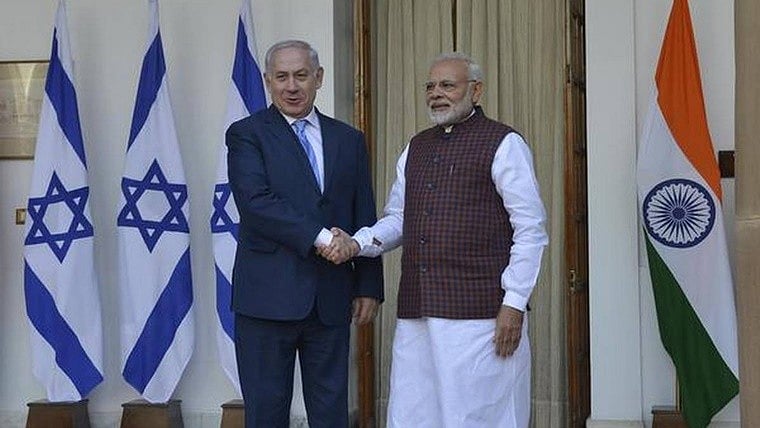
In a significant move to deepen West Asian diplomacy, Prime Minister Narendra Modi is set to arrive in Tel Aviv on Wednesday, February 25, 2026, for a high-stakes two-day State visit. This visit marks a key moment in the "Strategic Partnership" established during his landmark 2017 trip. While the prime minister will land in the capital, the diplomatic weight of the trip is centred in Jerusalem, where he will engage in intensive deliberations with Israeli Prime Minister Benjamin Netanyahu.
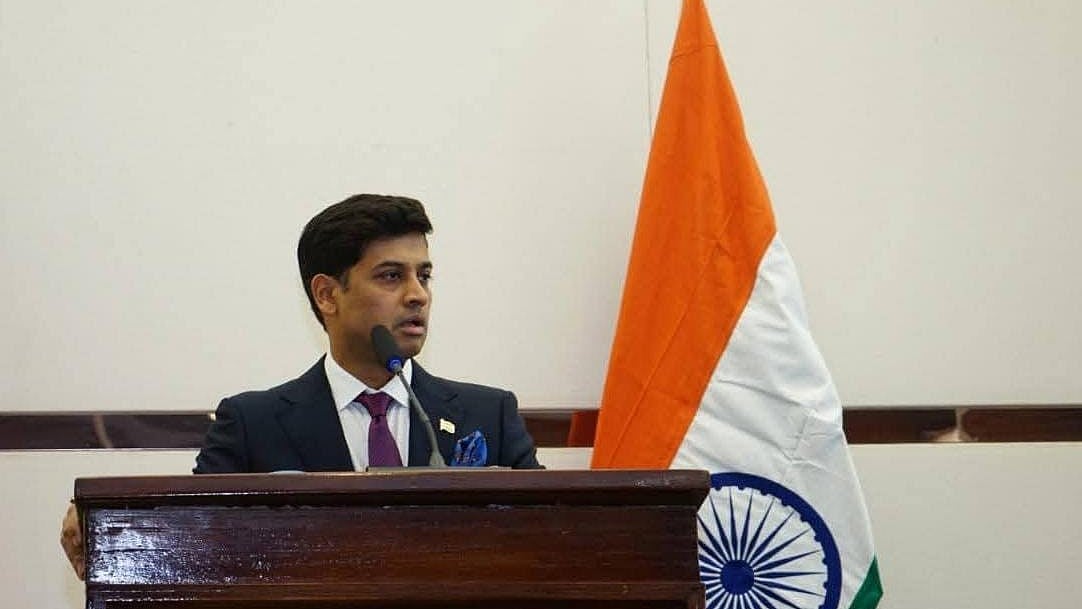
Indian Ambassador JP Singh has categorised the mission as "historic" emphasising that both nations now share a unified stance on global counter-terrorism. The envoy noted that the relationship has evolved beyond mere cooperation into a resilient bond tested by regional crises, setting the stage for a new phase of high-technology and security integration.
Diplomatic milestones and Knesset address
The itinerary features a landmark constitutional moment as Narendra Modi becomes the first Indian Prime Minister to address the Knesset, Israel’s Parliament. This engagement is viewed by analysts as a powerful symbol of democratic solidarity and a recognition of India’s growing influence on the global stage. Beyond the legislative halls, the prime minister’s schedule balances statecraft with cultural outreach. He is slated to interact with the Indian-origin community settled in Israel and attend a specialised technology exhibition, showcasing the "innovation-led" nature of the bilateral bond.


Sacred remembrances and executive summits
The second day of the visit shifts toward solemn reflection and executive decision-making. Prime Minister Modi will pay his respects at Yad Vashem, the World Holocaust Remembrance Center. He is expected to spend time at the "Book of Names," a monumental record commemorating over 4.8 million Jewish victims of the Holocaust, including 1.5 million children. Following this, the diplomatic focus moves to the President’s Residence for talks with President Isaac Herzog. This will be followed by an extended summit with Prime Minister Netanyahu, where the two leaders will preside over the exchange of multiple strategic agreements.
A future-ready strategic roadmap
The substantive heart of the visit lies in the signing of new protocols aimed at future-proofing the partnership. Talks are expected to move decisively beyond traditional sectors into "deep-tech" frontiers. Key focus areas include Quantum Computing, Artificial Intelligence (AI), and Cyber Security, alongside collaborations in Science and Technology. These agreements are designed to consolidate the foundation laid nearly a decade ago, transitioning the relationship into a sophisticated tech-security alliance. After concluding these high-level exchanges, the prime minister will depart from Tel Aviv for New Delhi, concluding a visit that aims to redefine India’s strategic footprint in the region.
