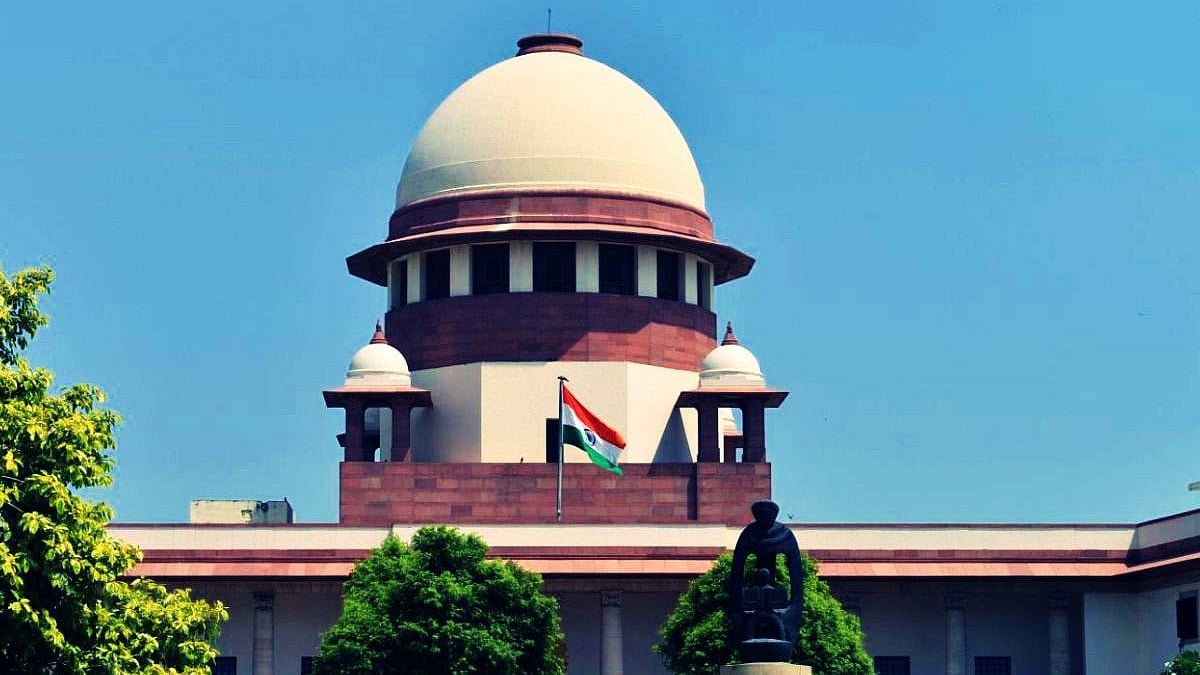
The Supreme Court has reiterated that lawyers cannot assume a case will be adjourned merely because an adjournment slip or letter has been circulated. Emphasising that the power to defer a hearing lies exclusively with the court, the apex court said advocates must always be prepared to argue their matters unless the Bench specifically grants an adjournment.
The observation was made by a Bench comprising Justice Ahsanuddin Amanullah and Justice R. Mahadevan while hearing a matter in which counsel for one of the parties contended that the case could not proceed as the respondents had sought an adjournment.
'You Have to Come Prepared and Argue'
Responding to the submission, Justice Amanullah firmly stated that the filing of an adjournment request does not bind the court to postpone proceedings.
"Please, counsel. It is up to us whether or not we allow adjournment. You have to come prepared and argue. If we allow, only then is it adjourned. This is a message to the Bar," Justice Amanullah remarked, as quoted by Bar and Bench.
As reported by the Bar and Bench, when the petitioner's counsel later requested that the matter be listed on another day, the Bench initially proposed hearing it later the same day. However, the lawyer insisted on another date.
Justice Amanullah responded, "Today also is a day."
The court eventually agreed to defer the hearing and directed that the matter be listed next week.
Court Continues Push Against Routine Adjournments
The latest observations are in line with the Supreme Court's continued efforts to discourage unnecessary adjournments, which it has repeatedly criticised for delaying the justice delivery system.
The apex court has, in several judgments, described frequent and unwarranted adjournments as a major reason behind mounting case pendency, warning that such practices allow litigants to prolong proceedings without sufficient cause.
March 2026 Circular Tightened Adjournment Rules
The court's remarks also reinforce the stricter norms introduced through its March 18, 2026 circular, which replaced earlier guidelines governing adjournment requests.

Under the revised rules, adjournment letters are generally not permitted in regularly listed matters. Even in fresh matters, only one such request is ordinarily allowed. Lawyers seeking a postponement must provide specific reasons, disclose any previous adjournment requests, and serve advance notice to the opposing side.
The circular makes it clear that adjournments should be granted only in exceptional circumstances, such as serious illness or bereavement, with the objective of ensuring timely disposal of cases and reducing avoidable delays.

