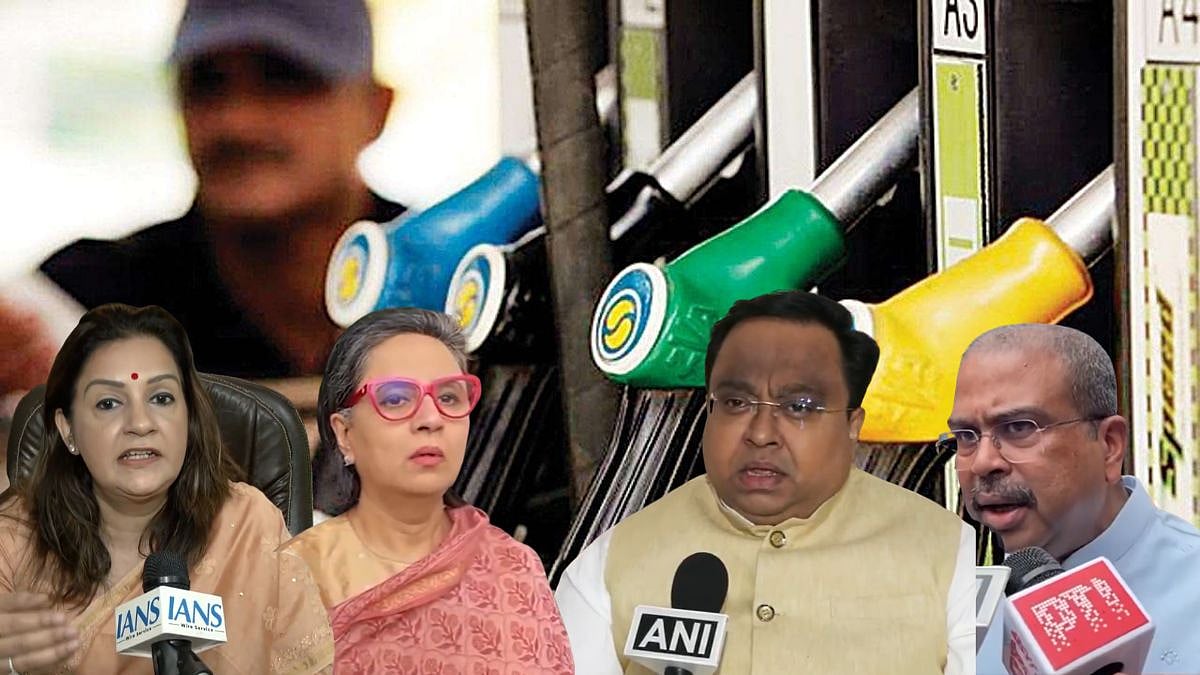
New Delhi: The Centre’s decision to sharply cut excise duty on petrol and diesel has triggered a wide spectrum of reactions from parliamentarians, with leaders debating whether the move will truly benefit consumers or primarily support oil marketing companies (OMCs).
As per a March 26 notification by the Ministry of Finance, excise duty on petrol has been reduced from Rs 13 to Rs 3 per litre, while diesel has been fully exempted from the earlier Rs 10 levy. The decision comes amid a sharp surge in global crude oil prices following escalating tensions in West Asia.
Finance Minister Nirmala Sitharaman defended the move, stating that the reduction of Rs 10 per litre on both fuels is aimed at protecting consumers from rising prices. She also announced export duties on diesel and aviation turbine fuel (ATF) to ensure sufficient domestic availability, underlining that the government remains committed to shielding citizens from volatility in essential commodities.
However, reactions from across the political spectrum indicate that the impact of the decision remains contested. Sasmit Patra said the duty cut appears to be designed primarily to offset under-recoveries faced by OMCs such as Indian Oil Corporation, Bharat Petroleum Corporation Limited and Hindustan Petroleum Corporation Limited. He expressed doubt over whether the benefit would be passed on to consumers, noting that retail fuel prices may remain unchanged despite the tax relief.
Union Minister Kiren Rijiju termed the decision a major step' and warned against any attempts to create artificial shortages or hoard fuel supplies. He added that state governments have been directed to act strictly against such practices, signalling concerns over market manipulation amid volatile conditions.
Opposition leaders, however, have been more critical. Sagarika Ghose argued that the move reflects a delayed response by the government, claiming that authorities had downplayed the severity of the situation in recent weeks. She described the duty cut as evidence of an emergency-like scenario, suggesting that action was taken only after the crisis intensified.
Echoing similar concerns, Priyanka Chaturvedi said the reduction was necessary given rising global oil prices but questioned the timing and intent. She pointed out that fuel-related price adjustments in recent weeks, including LPG hikes, had already burdened consumers and hinted that the decision may have been influenced by political considerations. "I feel this decision is largely due to electoral reasons," said Chaturvedi.
Meanwhile, Union Minister Dharmendra Pradhan strongly backed the move, calling it a bold and necessary intervention to protect middle- and lower-income groups from inflationary pressures. He emphasised that the government has balanced fiscal discipline with welfare, even while maintaining high capital expenditure in the budget.

