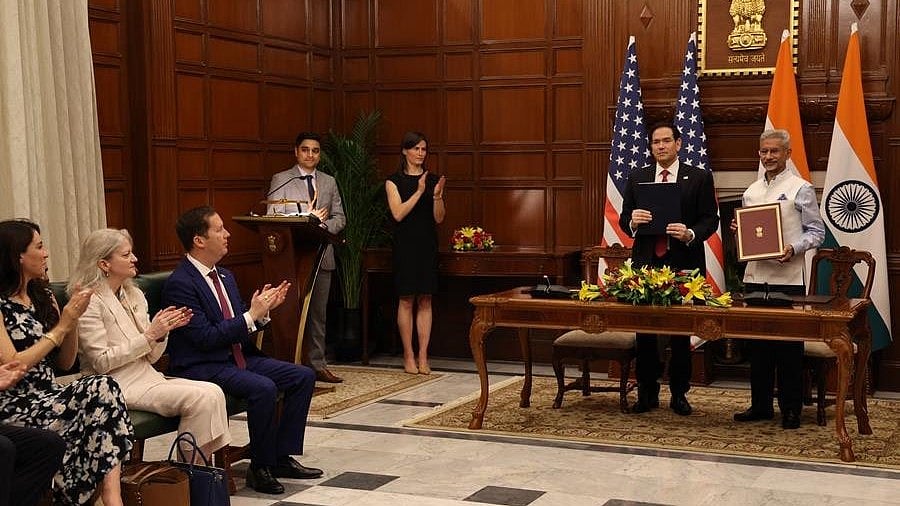
India and the United States on Tuesday signed a bilateral Critical Minerals Framework, marking a significant milestone in their growing strategic partnership aimed at securing essential resources needed for advanced technology, clean energy, and national security.
The agreement is designed to build trusted and resilient supply chains for critical minerals such as lithium, cobalt, nickel, and rare earth elements materials crucial for electric vehicles, semiconductors, renewable energy systems, and defence manufacturing.
Building on Growing India-US Strategic Cooperation
The framework builds on groundwork laid in February 2026 during high-level meetings in Washington, where US Secretary of State Marco Rubio launched the Forum on Resource Geostrategic Engagement (FORGE).
Officials from both countries described the agreement as a major step toward reducing vulnerabilities in global supply chains and protecting access to critical minerals from coercive market practices and overdependence on single-source suppliers.
Why This Deal Matters for India
For India, the agreement carries major strategic and economic significance.
India remains heavily dependent on imports for key minerals like lithium, cobalt, and nickel, with much of the global refining and processing currently dominated by China. The new framework is expected to help India diversify sourcing, strengthen domestic processing capabilities, and reduce long-term supply risks.
The pact also aligns closely with India’s National Critical Minerals Mission, as well as broader initiatives such as Make in India and Atmanirbhar Bharat, supporting the country’s ambitions to become a manufacturing hub for electric vehicles, clean energy technology, semiconductors, and advanced defence systems.
US Pledges Major Investment Push
The US government said it is mobilising over $30 billion in investments, loans, and private-sector support to secure critical mineral supply chains globally.
Officials noted that these efforts, combined with initiatives such as Pax Silica and renewed diplomatic engagement, are expected to unlock billions more in private capital and create new mineral development projects worldwide.
Jaishankar: A Sign of Growing India-US Trust
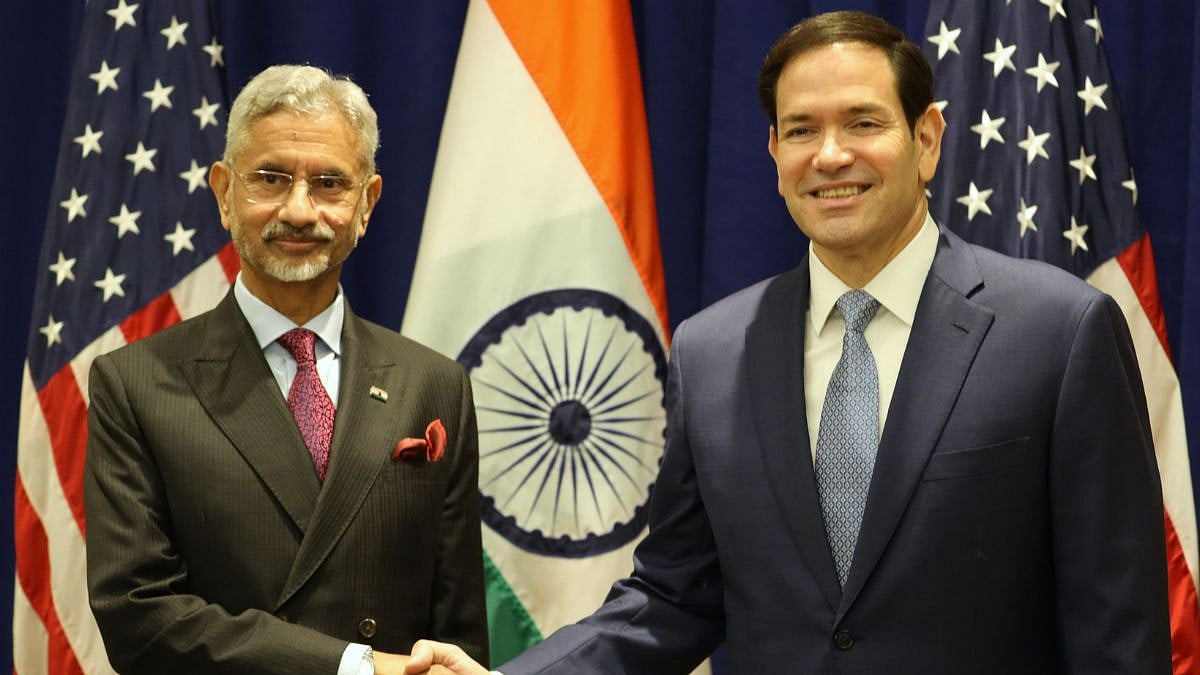
External Affairs Minister S Jaishankar welcomed the agreement, saying it would help strengthen resilient and diversified supply chains while enhancing cooperation on financing and effective management of critical minerals and rare earth resources.
Calling it another sign of deepening India-US cooperation, Jaishankar said the agreement reflects how closely the two nations are working together in a world facing growing strategic and economic challenges.
Marco Rubio Highlights India’s Strategic Importance
US Secretary of State Marco Rubio described the signing as a tangible example of the importance Washington places on its strategic alliance with New Delhi.
He said India remains a critical partner for the United States, particularly in efforts to build secure and trusted global supply networks.
Not an Immediate Fix, But a Long-Term Strategic Step
While experts say the framework is an important breakthrough, they note that it is primarily a cooperation agreement focused on exploration, processing, recycling, and investments not an immediate guarantee of mineral supplies.
Its long-term success will depend on implementation, including joint projects, technology transfers, and private sector participation.
India is also pursuing similar critical minerals partnerships with countries such as Australia and Argentina, making this deal part of a broader strategy to secure access to resources vital for future economic growth.
Strengthening India’s Position in Global Minerals Geopolitics
The India-US Critical Minerals Framework reinforces India’s position in the rapidly evolving geopolitics of strategic resources.
By reducing supply chain risks and expanding cooperation with trusted partners, the agreement strengthens India’s economic security, supports its industrial ambitions, and deepens ties with the United States at a crucial moment in global competition over critical resources.

