Mumbai: High above the emerald forests of the Western Ghats, a great hornbill sits motionless upon an ancient branch, its magnificent casque turned towards a sky that remains hesitant and unreadable. For centuries, the hornbill has measured time not by calendars but by clouds, winds and the arrival of the life-giving monsoon. This year, however, even nature’s patient sentinel appears to be waiting longer than usual.
The IMD on Friday issued a forecast that has stirred anxiety across agricultural markets, corporate boardrooms, stocks markets, government offices and millions of rural households.
India is now expected to receive only 90% of the long period average rainfall during the JuneSeptember monsoon season, marking what could be the country’s lowest monsoon rainfall in 11 years. The forecast represents a deterioration from the earlier estimate of 92% and revives memories of 2015, when El Nino reduced seasonal rainfall to 87% of the average.
The warning quickly reverberated through financial markets, contributing to weakness in several sectors as investors reassessed risks to agricultural output, rural consumption, food prices and corporate earnings. In India, the monsoon remains one of the most powerful economic forces outside government policy itself. When the rains falter, the consequences travel far beyond the farm gate.
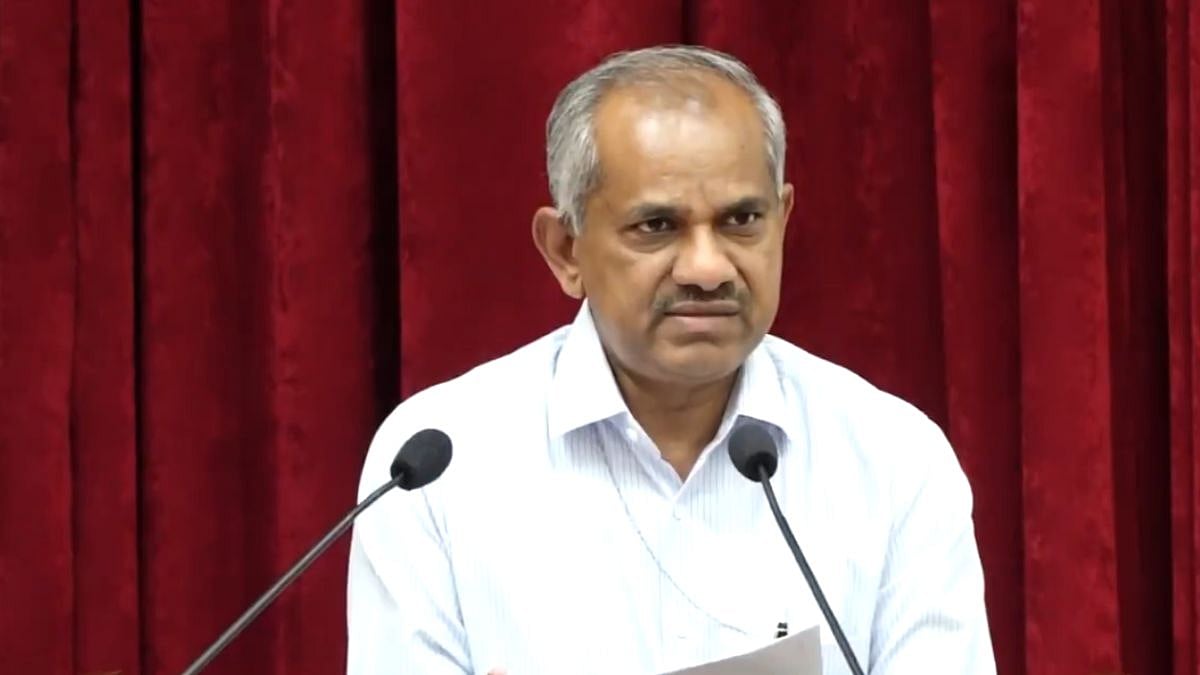
M. Ravichandran, Secretary in the Ministry of Earth Sciences, said El Nino conditions are likely to emerge during June and strengthen through the second half of the monsoon season. Scientific projections suggest the phenomenon could attain moderate to strong intensity during July, August and September — the three months that largely determine the success or failure of India's agricultural year.
The concern extends far beyond weather charts. The IMD has indicated that below-normal seasonal rainfall is likely across large parts of the country, with relatively better prospects only in portions of Northwest and Northeast India, eastern peninsular regions, adjoining east-central areas and isolated pockets of eastern India.
Adding to the concern, the IMD expects abovenormal heatwave days during June across parts of Uttar Pradesh, Haryana, Punjab, Bihar, Odisha, Chhattisgarh, Gujarat and Andhra Pradesh, with isolated regions of Maharashtra, Telangana, Himachal Pradesh and Tamil Nadu also vulnerable. The agency has advised state governments to strengthen preparedness, ensure drinking-water availability and protect vulnerable populations.
For India, rain is not merely weather. It is economics, agriculture, inflation, livelihoods and national confidence woven into a single seasonal thread. And so, as Mumbai waits for dark clouds to gather over the Arabian Sea and farmers scan distant horizons, the great hornbill continues its silent vigil above the forest canopy — waiting for the rains that may determine the fortunes of the world's largest democracy in the months ahead.
To get details on exclusive and budget-friendly property deals in Mumbai & surrounding regions, do visit: https://budgetproperties.in/

