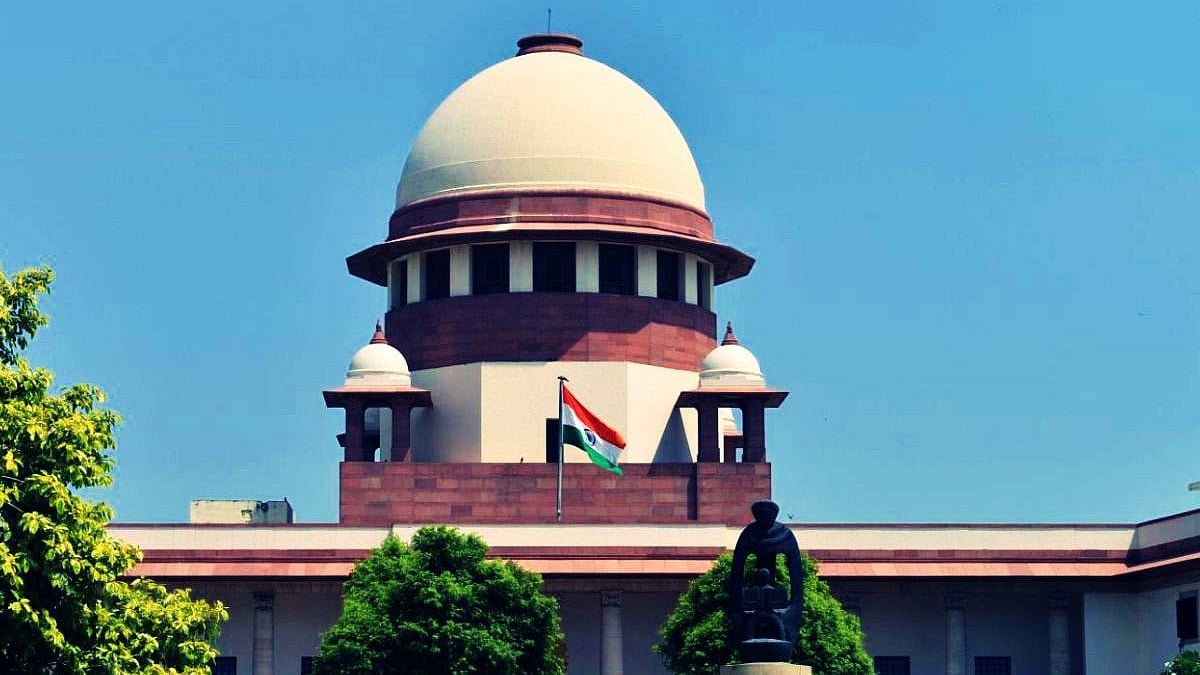
In a ruling aimed at recognising the contribution of homemakers, the Supreme Court on Thursday held that the loss of a wife's domestic care should be treated as a separate head of compensation in claims filed under the Motor Vehicles Act (MV Act).
According to a report by Bar & Bench, a Bench comprising Justices Sanjay Karol and NK Singh delivered the judgment while hearing a motor accident compensation case involving a widower whose wife died in a road accident. The Court granted additional compensation, observing that the services rendered by a homemaker extend far beyond conventional economic calculations.
The Bench described homemakers as “nation-builders” and stressed that their contribution to raising families and nurturing future generations plays a crucial role in the development of society and the country. Recognising the value of such unpaid work, the Court quantified the loss of domestic care at Rs 30,000 per month, creating an additional compensation category beyond the principles laid down in the landmark Pranay Sethi judgment.
The Court noted that a housewife’s role contributes not only to the growth of individual family members but also to the nation as a whole. It acknowledged the challenge of monetising such contributions but said the law must adequately compensate families for the loss of these services.

Apart from introducing the new compensation principle, the Supreme Court also called upon the Chief Justices of all High Courts to closely monitor the progress of motor accident claim cases. It emphasised that the summary procedure prescribed under Section 169 of the Motor Vehicles Act should be implemented in both letter and spirit to ensure speedy justice.
The ruling came in an appeal against a 2024 judgment of the Punjab and Haryana High Court concerning a 2001 road accident involving two jeeps in which a woman lost her life. The High Court had awarded more than ₹8 lakh in compensation to her husband and three children.

