Pakistan has doggedly pursued its terror agenda against India with the tenacity of a bloodhound. Over the years, India warned Pakistan to shun its terror doctrine after the 2016 surgical strikes and the Balakot airstrikes in 2019 or face severe consequences. However, Islamabad chose to whistle past the graveyard, ignoring the warning until it ultimately triggered Operation Sindoor last year following the Pahalgam massacre.
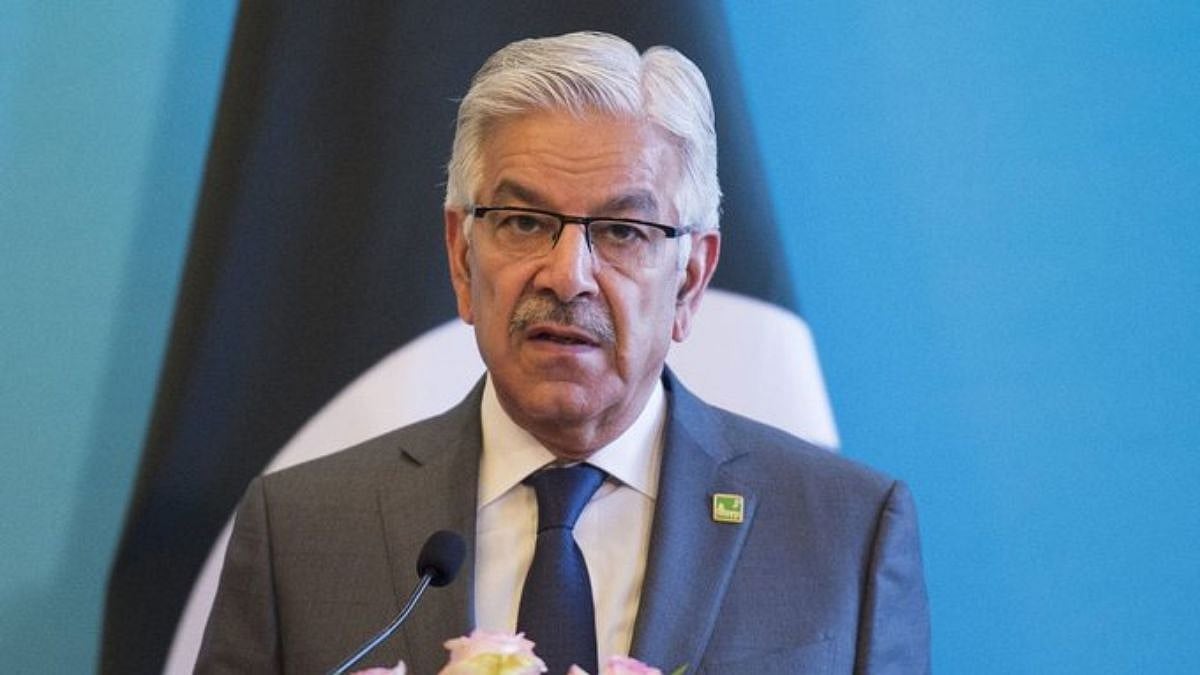
However, India's mission to punish Pakistan for its bloodthirsty approach towards New Delhi was far from over. India started regulating waterflow towards Pakistan pushing Islamabad into a deep water crisis so much so that its Defence Minister Khawaja Asif issued an explicit war threat against India over water security on Sunday, June 22, 2026.
Islamabad is panicking over New Delhi’s strategic decision to put the historic 1960 Indus Waters Treaty (IWT) into abeyance, using its hydrological leverage to pressure Islamabad to abandon its terror aganda against India.
For more than six decades, the Indus Waters Treaty survived multiple full-scale wars and diplomatic breakdowns, standing as a globally praised model of transboundary water cooperation. However, India's policy shifted as it directly connected cross-border terrorism to Pakistan's downstream water security.
What prompted India to suspend the treaty?
The current standoff stems directly from a mass casualty event on April 22, 2025, when Pakistan-sponsored terrorists carried out a deadly terror attack in the Baisaran Valley near Pahalgam in Jammu and Kashmir. The attack, claimed by a Lashkar-e-Taiba, resulted in the deaths of 26 people, mostly tourists.
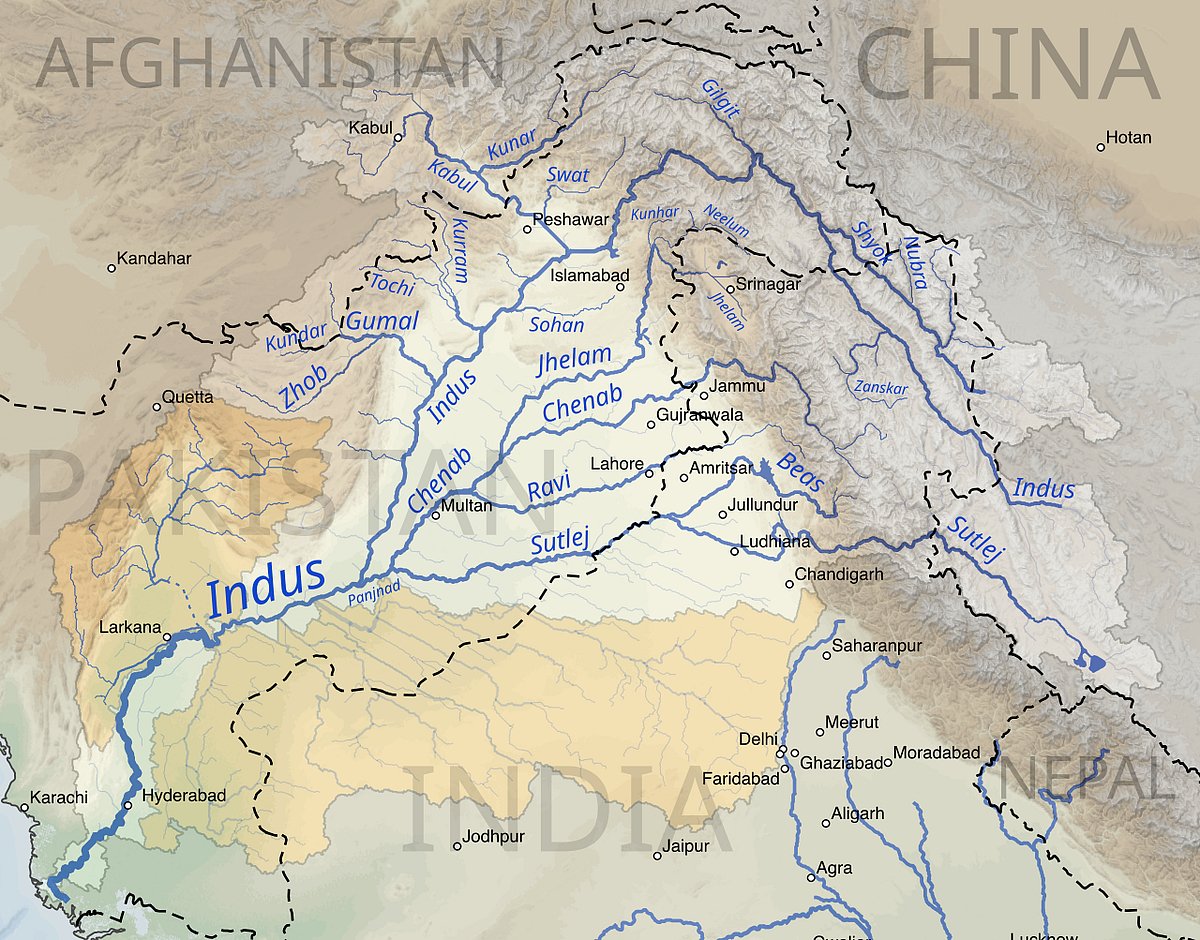
Indus River Basin | Wikimedia Commons
In a major departure from past policy, the Cabinet Committee on Security retaliated the next day by holding the 1960 Indus Waters Treaty in abeyance. New Delhi has remained steadfast in its stance that the treaty will remain suspended until Pakistan takes credible, permanent and verifiable action to dismantle its cross-border terror infrastructure.
By placing the treaty in abeyance, India immediately halted the regular exchange of vital hydrological data including daily river flows, glacier melt statistics and flood warnings. Furthermore, India stopped the mandatory joint inspection tours carried out by the Permanent Indus Commission and began moving outside the treaty’s traditional constraints.
This included flushing the reservoirs of two major upstream dams along the Indus river and announcing long-term intentions to build infrastructure capable of diverting water flows away from Pakistan entirely.
Why Khawaja Asif is threatening war?
Facing a severe economic and resource bottleneck, Pakistan’s Defence Minister Khawaja Asif issued a public threat of war during an interview with the broadcaster ARY News. Asif declared that because water security is fundamentally tied to Pakistan's national survival, Islamabad will resort to military action if it confirms that India is moving at an "alarming speed" to disrupt or manipulate downstream water supplies.
While Asif accused New Delhi of "weaponising water" and manipulating the Chenab River flows, his statements lacked technical backing. He went on to admit in the same interview that despite his claims of past inspections, he lacked any current information on upstream developments over the past year.
Why Pakistan is vulnerable to upstream water alterations
Pakistan is highly vulnerable to changes in river flows due to its heavy reliance on a single river system. Often described as an "Egyptian country built around a single river system," Pakistan draws roughly 96 percent of its average annual renewable water resources from the Indus River system. Compounding this structural dependency is a lack of adequate water storage facilities.
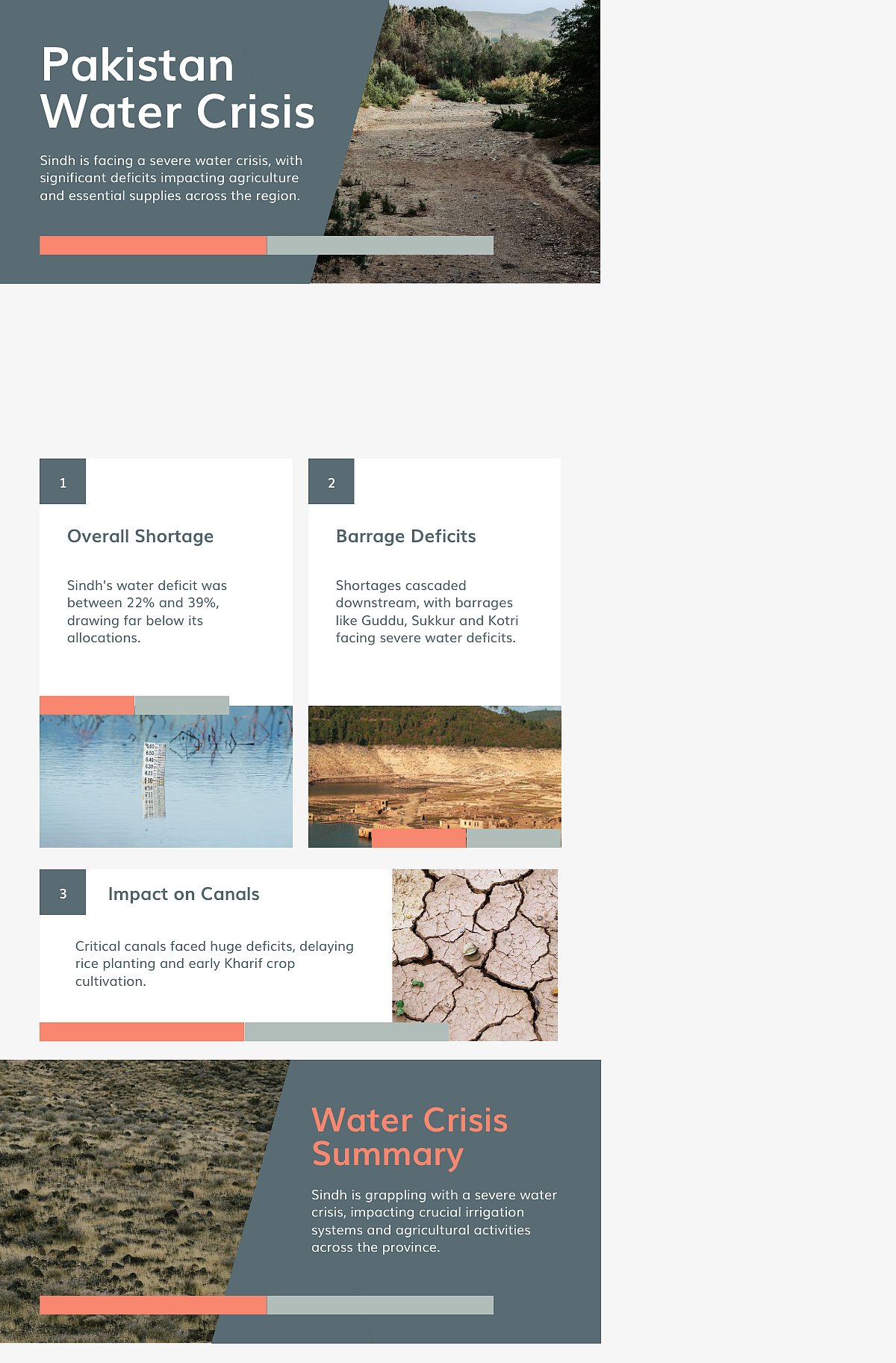
Pakistan Water Crisis |
High seasonal variability dictates that Pakistan relies heavily on predictable daily river flows, but siltation has severely reduced the storage capacities of its major reservoirs, leaving local farmlands deeply exposed to flow irregularities.
Furthermore, Pakistan is suffering from a massive domestic water crisis driven by decades of severe internal mismanagement. The availability of water has plummeted from 5,000 cubic meters per person during partition to less than 1,000 cubic meters today, pushing the country well into the zone of chronic water scarcity.
Where and how will this affect the region?
Under the original 1960 framework brokered by the World Bank, the three eastern rivers (the Ravi, Beas and Sutlej) were allocated to India, while the three western rivers (the Indus, Jhelum, and Chenab) were allocated to Pakistan, though India retained limited non-consumptive usage rights for hydroelectric power generation.
India's ongoing construction of upstream projects, such as the 330-megawatt Kishenganga project on the Neelum River, has long stoked anxieties in Islamabad. Pakistan fears that India's cumulative upstream storage capacity gives New Delhi the physical power to manipulate the timing and quantity of water crossing the border.
Without the data-sharing mechanisms of the treaty, Pakistan lacks the necessary advanced warnings to manage domestic irrigation or prepare for severe floods and droughts, severely damaging its agricultural sector, which consumes up to 92 percent of the country’s water.
Broader implications for human security
According to international environmental policy experts Neda Zawahri and Melissa McCracken writing for Think Global Health, the collapse of transboundary water cooperation will yield disastrous consequences for human and environmental health in Pakistan. The country already struggles with a massive water contamination crisis where only 36 percent of the available water supply is safe to drink.
Untreated industrial waste and heavy agricultural runoff have contaminated existing ground and surface waters, causing waterborne illnesses like dysentery, hepatitis and diarrhea to account for nearly 80 percent of all diseases nationwide.
When upstream river flows slow or drop, water quality deteriorates exponentially as industrial effluents become more concentrated. Consequently, India's strategic leverage over the Indus system does not merely pressure Pakistan's military apparatus, it systematically strains its human capital, public health systems and agricultural economy.
This demonstrates how Islamabad's long-term reliance on cross-border terrorism has directly compromised its own existential resource security.

